U.S. Food Aid (Part 6): A Timeline of U.S. Food Aid

July 20, 2026    This is the sixth posting in an effort to inform the public and USDA about Food For Peace lessons and directions.  Below is a timeline of selected milestones in the history of U.S. food aid sent overseas. World Hunger Education Service compiled this from a range of sources with inputs from various experts. It selects for different ways that the US has provided foods to other countries with a particular emphasis on Food for Peace, PL 480, Title II.

Notably, at the time of this publication the key food aid initiative is the same as the first, in 1812: aid to Venezuela in response to an earthquake. Contents in this table is meant to complement and not reiterate content published in other articles here at Hunger Notes.   Photo credit:  The John F. Kennedy Presidential Library and Museum, Boston

Timeframe U.S. Food Aid Milestones
1812 USG sends food aid to Venezuela after earthquake. President James Madison and Congress appropriate $50,000 for wheat flour aid.
1847 Choctaw nation in Oklahoma raises famine relief funds for Ireland.
1914-1919 Commission for Relief in Belgium during WWI channels U.S. wheat that fed 10 million people in Belgium and Northern France, daily. Future president Herbert Hoover organizes first large scale food logistics to combat famine.
1918-22 American Relief Administration provides 700,000 MT of famine-relief food aid to Russia, Poland, Austria.
1930 U.S. Foreign Agricultural Service posts agricultural attachés around the world, starting in South Africa, Sydney, Belgrade.
1943 Catholic Relief Services (CRS) channels food aid in war-torn Europe. U.S. foods for Europe went through the United Nations Relief and Rehabilitation Administration (UNRRA) and the UN Food and Agricultural Organization.
1944 Dutch famine (Amsterdam, Rotterdam, The Hague) led to US Operation Chowhound of B-17 Airdrops of flour, meat, eggs. Later US military trucked in food as Operation Faust.
1945 WWII famine relief. George McGovern in the 741st Bomb Squadron flew surplus food aid to Trieste in northeastern Italy. George McGovern later becomes first director of the Office of Food for Peace, and Democratic nominee for President.
1945-47 CARE Packages as WWII relief, using surplus US Army “10-in-1” rations stockpiled for the canceled invasion of Japan. CARE leaders negotiated with the Army to acquire nearly 3 million pre-packaged rations. Post-WWII US aid also flowed through multilateral channels like UNRRA, the Marshall Plan/GARIOA. CARE and CRS bridged U.S. surpluses through private networks.
1948-49 USG and UK airlift 296,000 tons of food (and coal) to West Berlin. CARE delivered 230,000 packages to Berlin on its own planes.
1948-51 American Friends Service Committee, CARE, and USG provide aid to famine threatened parts of India during the Partition that created India & Pakistan. US passed India Emergency Food Aid Act providing 2 million MT of grain.
1950s India looms large as major concern for large food shortages & famine. US provided large scale grain shipments under Title I and II.
1950s US holds large domestic reserves, including surplus dairy products. FFP framed as a benefit to US farmers as safety valve for purchasing surplus production.
1954 FFP assistance to Korea includes large quantities of wheat flour shipped under Title I, a total of $1.6 billion through 1974. Later in 1987, Korea became a food donor.
1954 Western Wheat Associates (U.S. wheat growers) used food aid for market development, teaching bakers in Japan and India how to use wheat flour.
1954 PL 480 signed into law by President Eisenhower with primarily Title 1 government to government food going to governments.
1954-59 Food aid to Pakistan, Japan, Taiwan, Yugoslavia, Greece, Italy, Spain.
1955 CARE’s Board of Directors votes to not dissolve, but to refocus the organization’s aid from Europe to other continents, hence the name changes from Cooperative for American Remittances to Europe to “Cooperative for American Relief Everywhere.” This passed by a single vote. CARE implements Title I and II food aid in Haiti, Guatemala, Honduras, India and Dominican Republic.
1958 “Food and Fiber as a Force for Freedom” Senate report recommends food as a force for democracy and coins the phrase “food for peace”, written by Senator Hubert Humphrey, future nominee for US president.
1959 INCAP in Central America creates Incaparina weaning food to prevent malnutrition.
1961 President John F. Kennedy rebrands the initiative “Food for Peace” and consolidates U.S. overseas assistance under the U.S. Agency for International Development (USAID). Title III food aid created to incentivize agricultural modernization.
1961 WFP proposed by George McGovern, the first director of the U.S. Food for Peace program, as a three-year UN “experiment” to internationalize food aid.
1963 FFP fuels Operation Niños: Ag Secretary Orville Freeman claimed that U.S. food reached one in four Latin American children, that rural school-meal programs in Bolivia and Peru doubled school attendance. Food for Work also in S America.
1966 Egypt gets soft loans to purchase PL 480 food.
1966 Food aid in India peaked during the severe Indian famine of 1965–1966. During this time, the U.S. used food aid as a heavy diplomatic lever. CARE receives food aid for emergency food program in drought areas. President Johnson involved in every food aid decision related to India.
1966 The 1966 Food for Peace Act PL 89-808 reframes aid from surplus disposal to development conditionality and economic development. President Johnson transfers FFP direction from the White House to the State Department. Johnson emphasized agricultural reforms as a precondition for a country to receive food aid.
1966 Likuni Phala fortified weaning food is pioneered in Malawi.
1968 USAID offers Corn-Soy Milk (CSM) and Corn-Soy Blend (CSB) as fortified foods.
1968-69 U.S. C-97 Stratofreighters (Boeing) help deliver $50M of food aid to Biafra during war in Nigeria, via CRS, CARE, the ICRC and Joint Church Aid. First large scale deployment of new CSB. First live-televised famine; introduced kwashiorkor.
1972 World food crisis, Sahel famine.
1972-1974 Dan Shaughnessy directs Food for Peace and planning for the 1974 UN World Food Conference. Henry Kissinger plays central role in targeting countries for food aid.
1975 Integrated Child Development Services large child nutrition program in India. USG Corn Soya Milk and non-fat dried milk provided through South India Flour Mills for CARE’s “balahar” fortified food for school feeding, led by Tim Lavelle.
1976 World Hunger Education Service begins educating the public and USG about food aid issues and begins quarterly publication of the journal, Hunger Notes.
1977 Title III food aid revised to focus on barter for debt forgiveness and tying aid more explicitly to policy reforms and long-term development in recipient countries.
1979 Two key publications: Amartya Sen’s Poverty & Famines demonstrates that food insecurity is not only about food availability but also about access. Lincoln Chen demonstrates that risk of death increases non-linearly by degree of child wasting.
1979 U.S. donates polished (thiamine removed) white rice to anti-Khmer Rouge groups in Cambodia, resulting in epidemic beriberi (deficiency disease).
1980s Maternal Child Health (MCH) is main type of project supported by food aid, having grown during the 1970s. Food for Work also common for roads/infrastructure.
1983 Church World Service (CWS) stops taking USG FFP resources, following controversial episode of 60 Minutes on CBS about CWS programs in countries with communist governments. CWS goes overnight from being the largest food aid agency in the world to one of the smallest.
1984 Burma Border Consortium of NGOs formed, purchasing food locally for Burmese refugees in camps in Thailand, supported by the U.S. Department of State.
1985 Food for Progress Act explicitly references “Private Voluntary Organizations” or PVOs. Food for Progress authorized CCC financing for grants or credit sales to support agricultural development in developing countries and emerging democracies.
1985 6 million MT of food sent for African famine. Two supplemental appropriations made for Ethiopia famine. FFP manages $500M for Ethiopia alone, plus more for Sudan, and across 21 African countries.
1985 Farm Bill promotes PVO/NGO monetization, using Title II as an alternative revenue stream to direct-dollar grants. U.S. Dry Bean Council positioned pintos and black beans as shelf-stable, high-value food for NGOs to monetize. Initially monetization was to pay for internal transport, which was later funded by USAID in the 1990s.
1985 Ellen Levinson creates the Coalition for Food Aid of NGOs in Washington, DC to promote the roles of NGOs in food aid. Title II Enhancement Grant (later, Title II Strengthening Grant) for PVO headquarters capacity building.
1986 Famine Early Warning System Network (later named FEWS.NET), established on the advice of Tufts University’s President Jean Meyer. Credit also to John Field.
1989 Collapse of Soviet Union shifts emergency food aid gradually away from refugees fleeing regimes in host countries, instead to internally displaced persons.
1990 Food Aid Management funded by FFP with 5 original PVO members.
1990 Fred Cuny pioneers local purchase of food as a more appropriate response to food needs in Ethiopia.
1990s PVOs promote local village “grain reserves” with food aid for resilience.
1990-93 End of US food aid to Somalia leads to famine throughout 1992. President Bush directs US airlifts food via C-130s in late 1992. U.S. Food aid monetized to reduce retail prices across the country in 1993, but after famine has receded.
1990 “Partial monetization” turns into “100% monetization” for many NGOs.
1991 Famine Mitigation Project of experts convened by USAID to recommend best practices to prevention of famine. Including livestock, water, local food purchase.
1992 Food aid mobilization to former Soviet states where food insecurity tied to pensions lost from ruble devaluation. USG works through Red Cross movement. Operation Provide Hope channeled 25,000 MT to the Caucasus and Central Asian “Stans.” ADRA involved in Armenia and other states.
1992 Bosnia: Operation Provide Promise began July 2, 1992, becoming the longest-running humanitarian airlift in history. USG provided sorties into besieged Sarajevo, delivering food and other aid to civilians trapped by the Yugoslav war.
1992 Food Aid Management (FAM) publishes Generally Accepted Commodity Accountability Principles, GACAP, representing all NGOs working with US food aid.
1990s PVO/NGO “cooperating sponsors” include CRS, CARE, World Vision, Save the Children, ADRA, Land O Lakes, ACDI/VOCA, Food for the Hungry International, Project Concern, Africare, Technoserve, Partners for Development, World Relief, Mercy Corps, Lutheran World Relief, IOCC, UMCOR, and International Relief and Development. CARE is often lead food agency in refugee camps, while CRS is lead for IDPs.
1992-1994 FFP defines food security as: availability plus access plus bio-utilization.
1993-1996 FFP Director Robert Kramer rebalances food aid from entrenched USAID Mission projects to areas of greatest need (emergencies), and pushed WFP to recognize the greater priority in emergencies of food.
1993 FAM publishes NGO manual, Monetizing Food Aid, a Guide for PVOs.
1992 CRS’ Mike D’Adamo travels to Rome to strike a partnership with WFP, opening an era of WFP collaboration with NGOs.
1994 CARE and CRS account for roughly 72% of PVOs’ regular Title II programs.
1995 2 million refugees plus almost as many IDPs received some 240,000 MT of food in Rwanda and neighboring countries, following genocide and flight.
1995-97 North Korea’s famine received over 1.1 million metric tons.
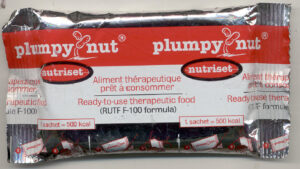
1996 André Briend & Michel Lescanne create Plumpy’Nut, the first RUTF, at Nutriset.
1997 WFP strikes agreements partnering with NGOs for distribution activities.
1998 USG requires vegetable oil be fortified with vitamin A (and later, Vitamin D).
1997-2001 Asian financial crisis as currencies lost purchasing power. NGOs like IRD, and WFP used food aid as social protection safety nets.
1999 The majority of US food aid now channeled through WFP, not NGOs.
1999 USAID, FAM and the Canadian Govt convene food experts at a symposium at the American Red Cross to document feasibility of fortifying emergency food aid at the local level to mitigate micronutrient deficiency diseases widely seen among refugees.
2000 Global Food for Education Initiative $300 million, with CCC resources. Over next two decades, 5.5 billion meals for 31 million school children in 48 countries.
2000 Congress passes International Food Relief Partnership Act, amending Title II to authorized grants to US nonprofits to create shelf-stable food products for aid, such as Breedlove Foods in Texas.
2001 FFP Officer Tim Lavelle organizes long-term Bridge of Friendship pipeline from hub of Termez over the Amu Darya river from Uzbekistan to Afghanistan, facilitating hundreds of thousands of tons of famine-preventing food aid into Afghanistan.
2002 FFP nutritionist Tom Marchione promotes new formulations of CSB and nutrient-dense foods as part of commodity docket.
2002 CTC/CMAM modality for treating malnourished children with RUTF promoted.
2002 New McGovern-Dole Food for Education program passed in 2002 Farm Bill. This moves school feeding from Food for Peace to USDA.
2002 No more funding for Title III, a government-to-government program under PL 480 where the foreign government sold food for local currency proceeds.
2003 Large-scale U.S. emergency food aid rejected by five southern African famine-affected countries because US corn is genetically modified. Eventually the grain was milled in S. Africa before transporting to Zimbabwe, Malawi, Zambia, etc.
2000s Food aid targets HIV/AIDS response primarily in sub-Sahara Africa. USAID Administrator Natsios pushes for more flexibility for local purchase of food.
2003 Dr. Patricia Wolff from Washington University, St Louis, founds “Meds & Foods for Kids” in Haiti and produces Medika Mamba.
2003 FANTA and FFP develop criteria for prioritization of non-emergency countries.
2004 Jeanie Markunas retires from long career overseeing Food for Peace.
2004 C-SAFE consortium (World Vision, CARE, CRS) manages food aid across southern Africa, with the World Food Programme as a sub-grantee.
2004 Globally, World Vision now channels food aid mostly as a sub-awardee under WFP whereas a few years earlier it was primarily a prime.
2005–2011 RUTF increasingly mainstreamed among NGOs, UNICEF & USAID as part of a shift from blended-flour to lipid-based products for targeted feeding of malnourished.
2006 SMART survey manual released, about measuring acute malnutrition and mortality, with the intent to standardize reliable data across agencies. In 2008, the Global Nutrition Cluster designated Action Against Hunger (ACF) as the global convener of SMART, including ongoing infrastructure, guidance, consultations. FAM hosts a workshop about SMART for monitoring malnutrition.
2008 Farm Bill Sec. 3206 created the pilot USDA Local and Regional Food Aid Procurement Program. The rule established grants for field-based projects consisting of local or regional procurement.
2007 USAID & IFRC plan food aid reserves for future pandemics that contract markets.
2008 Prices for corn and oil increased 125% over a short period, increasing malnutrition worldwide. The USG provided additional $2.8 billion across all international food aid programs, delivering 2.3 million metric tons for 43 million people.
2009 Decades of US food aid to India ends. Meanwhile, India donates food to WFP.
2009 Land O’Lakes International Development nonprofit pilots local purchase of food baskets in Zambia for people with HIV.
2009 Food Aid Quality Review research starts at Tufts University School of Nutrition.
2010 Congress approves The Emergency Food Security Program (EFSP) to allow cash and voucher assistance, instead of only in-kind commodities, using International Disaster Assistance funds.
2010 MSF launches “starved for attention” campaign criticizing the US for donating CSB instead of only procuring RUTF.
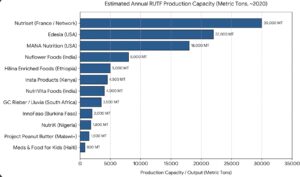
2010s Ongoing scale up of RUF production by MANA and Edesia (U.S. NGOs).
2010-2011 Despite early warnings, over 200,000 Somalis die when US cuts off food aid because of Patriot Act. Food aid reinstated only after hunger season ended in 2011.
2010s “Sequencing, layering, and integration” promoted in FFP program designs.
2012 International Food Assistance Improvement Act of 2012 (H.R. 4141) sought to enhance nutritional quality and cost-effectiveness of food aid
2014 Farm Bill expanded Section 202(e) flexibility. USAID increase in authorized 202(e) funding to provide cash transfers, food vouchers, & local purchase modalities.
2014 Charles Hanrahan retires from the Congressional Research Service, after 29 years researching international food aid.
2015 Resilience Food Security Activities (RFSAs) formally introduced as new design of FFP development programs.
Mid 2010s Multi-year, development cooperative agreements, “MYAPs”, replaced by “DFAPs” as main form of FFP projects implemented by NGOs.
2017 Food to four well-publicized man-made famines: S Sudan, Somalia, Yemen & Nigeria.
2018 89% of FFP resources for emergencies. Development food aid % at all time low.
RFSAs emphasize new “graduation model”, along with theories-of-change, learning, and ‘pause and reflect.’
2019 USAID funds Nawiri resilience (RFSA) program in Kenya for northern, arid lands.
2020 Top recipient countries of US food aid from 2015 to 2020 were Yemen, Syria, South Sudan, Somalia, Ethiopia, DRC, Sudan, Afghanistan, Kenya, and Nigeria.
2022 Response to Ukraine war leads to full draining of the Bill Emerson Humanitarian Trust. USG also provides $388 million for shipping/freight, totaling $670 million.
2023 USG and WFP shut down food pipelines to Ethiopia. USAID Administrator on June 8 suspended food aid across Ethiopia because of widespread, coordinated theft of U.S. food by multiple actors (including to military units and markets). This stopped aid for ~20 million people amid drought and post-conflict needs.
2024 First RFSA program in Somalia.
2025 DOGE terminates many FFP (RFSA) and Food for Progress programs, while authority for FFP and FEWS shifted to State Department. A few RFSAs are re-started: Mercy Corps in Kenya, ADRA in DRC, Food for the Hungry in Ethiopia, and CRS in Haiti.
2025 December: FFP transitions again, to US Department of Agriculture which in February commits $452 million to WFP and bids new emergency programs for DRC, El Salvador, Ethiopia, Guatemala, Haiti, Kenya, & Rwanda.
2026 July: FFP announces $235 million to CRS for Ethiopia and Sudan.
2026 USG provides private and UN food aid in recovery from earthquake in Venezuela.

U.S. Food Aid (Part 3): Lessons from Tufts University’s “Food Aid Quality Review”,

July 17, 2026   This is the third in a series of briefs about U.S. Food Aid, recognizing the shift of programming to the U.S. Department of Agriculture.

Every year, for over a half century, the United States has shipped more than a million tons of food to hungry people in dozens of countries.  During this time the underlying products barely changed.  In 2009, USAID’s Office of Food for Peace (FFP) commissioned Tufts University’s School of Nutrition, in Medford (near Boston), Massachuseets to ask basic questions about how effective these foods are.   The resulting twelve-year “Food Aid Quality Review” (FAQR), was anchored by two principal investigators, Patrick Webb, and Beatrice Lorge Rogers, working with a team of Friedman School of nutrition faculty and students, and a stakeholder network spanning dozens of NGOs, implementing partners, and UN agencies across more than 40 countries.

Tufts University’s Friedman School of Nutrition Science and Policy’s FAQR, in partnership with USDA and the Department of Defense’s Natick food research laboratories, had three phases over twelve years:

Phase I (2009–2011): a diagnostic review of whether U.S. food aid products, programming, and institutional processes reflected current nutrition science.

Phase II (2011–2016): development and field-testing of reformulated products, including a large randomized prevention trial in Burkina Faso.

Phase III (2016–2021): a randomized treatment trial in Sierra Leone, supply-chain and packaging research, bioavailability science, and the institutionalization of the reforms across USAID and USDA.

The founding evidence base came from a survey of 64 responding USAID implementing-partner field offices across 40 countries, supplemented by expert panels and a formal public-comment period on the draft report.  This included extensive consultations with agencies, field trials (working with NGOs), facilitating product alignment among USAID, USDA, the World Food Programme, WHO and UNICEF, and interaction with the the congressionally established Food Aid Consultative Group (FACG), whose membership spans academicians, advocacy organizations, commodity groups, and NGOs.

The flagship Phase I report, “Delivering Improved Nutrition: Recommendations for Changes to U.S. Food Aid Products and Programs” (Webb, Rogers, Rosenberg et al., 2011), was built on a survey of 64 implementing-partner field offices across 40 countries (an 81% response rate), plus expert panels and public comment — the first systematic, evidence-based review of Title II food aid products in the program’s history. It organized its findings around three pillars: product quality, programming quality, and process quality , the idea that better food alone would not fix a broken system unless targeting, procurement, and delivery improved alongside it.

From there, Tufts led two of the largest field trials ever conducted on specialized nutritious foods:

      • Burkina Faso (2014–2017): a geographically randomized prevention trial with roughly 6,100 children aged 6–23 months, comparing four foods for their effect on stunting and wasting.
      • Sierra Leone “Four Foods” study (2017–2018): a cluster-randomized treatment trial with 2,683 children aged 6–59 months, testing recovery from moderate acute malnutrition, alongside sub-studies on body composition and gut health, and a novel 1.2 kg consumer package.

The headline finding surprised many in the field: the newer, more expensive, reformulated products did not outperform the upgraded standard corn-soy blend. In Burkina Faso, no food fully prevented growth decline, and a novel corn-soy-whey blend actually performed worse than standard CSB+ with oil. In Sierra Leone, recovery rates were statistically similar — around 62–65% — across all four products tested. In both trials, cost, not effectiveness, was what separated the products: CSB+ with oil was consistently the cheapest and therefore the most cost-effective option, at roughly $122 per child in Burkina Faso versus $140–$245 for the alternatives.

Tufts also stood up the REFINE database (Research Engagement on Food Interventions for Nutritional Effectiveness), an open-access knowledge-sharing platform built by Friedman School faculty, staff, and students together with a team from the World Food Programme.
KEY INSIGHTS and CONCLUSIONS

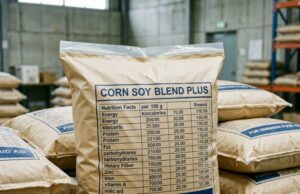
Regarding commodity quality, FAQR concluded that U.S. foods used in aid had “barely changed in decades” and were out of step with modern nutrition science, and (among other things) recommended adding a dairy-protein source (whey protein concentrate, WPC80) to fortified blended foods, upgrading micronutrient premixes, and adding lipid-based ready-to-use foods to the approved product list. USAID adopted uniform micronutrient specifications across 21 products, upgraded the micronutrient content of 8 products, developed 4 entirely new products, and set the first global minimum nutrient premix standard for ready-to-use foods.

  •  About programming quality, FAQR found that programs were commonly judged by tonnage shipped or numbers of people “fed,” not by nutrition outcomes achieved, and that a single “one-size-fits-all” ration could not meet the very different needs of infants, pregnant and lactating women, wasted children, and people on HIV treatment. It developed decision trees to match specific products to specific purposes and emphasized the first 1,000 days of a child’s life (conception to age two) as the priority window for specialized nutrition programming.

  •   When looking at process quality, FAQR found that the many hand-offs of food from procurement to delivery were poorly coordinated across agencies, and it recommended a standing interagency committee, stronger quality-assurance feedback loops, and later, in a 2021 review of 26 commodity incidents between 2018 and 2020, a formal Commodity Incident Management System with real-time, end-to-end traceability “from producer to consumer.”

FAQR‘s most durable legacy may be less about any single product than about how Food for Peace (today, USDA) should make decisions. Several implications carry directly into current and future food-aid policy:

  •   Cost-effectiveness, not unit cost, should drive product choice.  The central empirical finding,  that the cheapest option (CSB+ with oil) matched or beat costlier, more sophisticated products in both prevention and treatment trials, to treat moderate malnutrition is a standing rebuke to the assumption that newer and more expensive automatically means better.  USG programs should keep asking “cost per case of malnutrition averted,” not “dollars per ton shipped,” when choosing among products.   The FAQR’s Malawi Feasibility study (2013-14): tested increases in fortified vegetable oil (FVO) to Corn Soy Blend (CSB) from the usual ratio to 30g FVO:100g CSB, along with family education and repackaged 2-kg bags.  Finding: caregivers could achieve the ratio; intervention was more cost-effective than standard programming.

  •   Freight and procurement costs, not formulation, usually decide the winner. Because product price and international freight, not nutritional efficacy, drove most of the cost differences observed in the field trials, decisions about where to source, how to package, and how to ship deserve as much scrutiny as decisions about what goes in the bag.

  •   “Fit for purpose” should stay the organizing principle, not a slogan. No single food worked for every beneficiary group in FAQR’s trials. Continued investment in decision tools that match a specific product to a specific nutritional objective, context, and beneficiary,  rather than defaulting to one flagship commodity, is what the evidence actually supports.

  •   Interagency and international harmonization needs active maintenance, not a one-time fix. The alignment FAQR achieved among USAID, USDA, WFP, UNICEF, and WHO specifications reduced confusion for manufacturers and implementers, but harmonized standards drift apart again without a standing mechanism (like the FACG or an interagency committee) to keep revisiting them as new evidence and new products emerge.
  •   Supply-chain quality control deserves the same rigor as nutrition science. FAQR’s 2021 finding that losses are rare (under 1% of U.S.-sourced food) but that the health risk from what does slip through is high,  combined with weak, uncoordinated incident tracking, points to unfinished business: a real-time, end-to-end traceability system was recommended but not fully built out before the project closed in 2021.

  •   Evidence infrastructure needs a permanent home. REFINE was built specifically because, before FAQR, a lack of evidence on which foods to use and how to deliver them was a genuine gap, not a rhetorical one. Sustaining REFINE, or something like it, as a living, continuously updated evidence base, rather than letting it lapse once grant funding ends,  is the clearest way to keep future USG food-aid decisions grounded in current science rather than institutional habit.

Other Recommendations:

•   Increase the processed food portfolio in the food aid basket.

•   Adopt “feed-the-colon” strategy to promote gut health.
•  Improve the stability of vitamin C.

•    Use water as a vehicle for fortification of water-soluble vitamins.

•  Formulate foods to accommodate the elevated micronutrient needs of beneficiaries with infections.

The main FAQR finding that upended conventional wisdom was not that U.S. food aid needed fancier, costlier products; it was that a smarter, evidence-driven version of what USAID already had,  better targeted, better formulated, and more honestly costed, outperformed the alternatives. That is the standard FAQR leaves behind for whatever comes next in U.S. government food assistance.

The USG largely accepted and adopted FAQR’s recommendations. USAID adopted uniform micronutrient specifications across 21 products, upgraded the micronutrient content of 8 products, and developed 4 new products. They also formally added lipid-based products, such as Ready-to-Use Supplementary Foods (RUSF), to their approved list of commodities. USAID adopted the recommendation to add an animal-source protein, specifically whey protein concentrate (WPC80), to fortified blended foods (FBFs) like Corn Soy Blend (CSB) to improve protein quality and bioavailability. This led to the creation of upgraded products like CSB+ and Corn Soy Whey Blend.

….

SELECTED PUBLICATIONS

Michael Joseph et al. , 2019, Enhancing the Nutrient Bioavailability of Food Aid Products,  explores current processed foods for malnourished children and recommends adding defatted toasted wheat germ (DWG) or synthetic amino acids (following ideal protein concepts) as cost-effective soy alternatives to boost protein efficiency; diastatic malt (0.25% barley) to enzymatically thin porridges, raise solids/energy density, degrade phytates, and improve mineral/protein digestibility; omega-3-rich oils (e.g., canola) with antioxidants; and prebiotic oligosaccharides (scGOS/lcFOS blends) plus yeast cell-wall components for gut health and mycotoxin binding.  Further, processing upgrades such as extrusion, compaction of FBFs for better shelf life/transport, and optimized milling/dehulling further enhance matrix performance, noting that changes can improve cost-effectiveness and health outcomes (e.g., recovery from wasting).

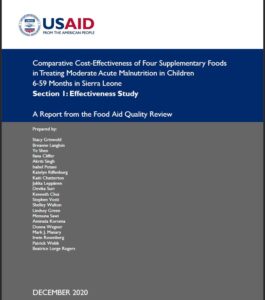
Griswold, Langlois, Manary, Rogers et al.  2020, Comparative Cost-Effectiveness of Four Supplementary Foods in Treating Moderate Acute Malnutrition in Children 6-59 Months in Sierra Leone  found no significant differences in recovery rates from moderate acute malnutrition  among the four supplementary foods tested: CSB+ with oil, CSWB with oil, SC+A, and RUSF, observing unadjusted graduation rates of 62–65% and no observable differences after covariate adjustment in its sample of 2,653 children.  Cost per recovered child ranged from $90–$94 across arms from the program perspective, with no discernable differences in cost-effectiveness.  Caregivers’ opportunity costs were lowest for RUSF but did not alter the overall conclusion of similar cost-effectiveness.  The study observed that intrahousehold sharing occurred at similar rates (~25%) across all foods and was unassociated with recovery, as was adherence to recommended recipes.  Direct observation confirmed that actual consumption of the supplement by the target child was positively associated with recovery; sustained recovery at four weeks post-discharge was lower for RUSF (73%) than CSB+ (81%), and presence of environmental enteric dysfunction (EED) reduced recovery rates independently of food type, with no food-specific differences in body composition changes.
Ilana Cliffer et al, 2019 Comparative Cost-Effectiveness of 4 Supplementary Foods in Preventing Stunting and Wasting in Children 6-24 MonthsIn Burkina Faso, FAQR conducted a 3-year, clustered, four-pronged trial with random assignment to determine the effectiveness and cost-effectiveness of four different supplementary foods for the prevention of stunting and wasting in children aged 6 to 23 months. This trial enrolled 6,112 children, with roughly 1,500 per study arm, making it one of the largest randomized controlled trials of supplementary foods. The trial compared Corn Soy Blend plus (CSB+), CSWB, LNS, and a super cereal product, following children monthly during the supplementation period and measuring growth, morbidity, and dietary intake outcomes.  The authors found that children receiving CSWB performed worse over time but because it was shared with other household members more frequently and was consumed by the intended child less often.  RUSF was the most expensive, largely because of its higher commodity and packaging costs. Flour products required more caregiver time for preparation and feeding, so adding the value of caregiver time substantially increased their total societal cost.  Nevertheless, CSB+ with oil was the most cost-effective option. It was the least expensive and was at least as effective as SC+ and RUSF, and more effective than CSWB.

Griswold, Schmall, Webb, Rogers et al.  2021  Additional Analysis of Two Field Studies Comparing Four Supplementary Foods for Treatment or Prevention of Malnutrition, FAQR.  The authors discerned that Mid Upper Arm Circumference (MUAC) and Weight for Height (WHZ) measures of malnutrition differ more than previously thought in identifying children.  The disagreement between the measures is both by gender and age.  The report strengthens the case for dual‑criterion admission (MUAC + WHZ).  Authors also found that children whose malnutrition became worse, even after program enrollment, could be identified within the first few weeks, and should be flagged.  Programs can introduce early intensified support for children showing stagnation in the first month.  Predictors of such decline included fever, diarrhea, vomiting, or cough, even if they had no illness at enrollment.  From the data in Burkina Faso, the authors identified that children with the worst stunting had consistently slower growth velocities from early infancy onward, not sudden drops, meaning that support should be continuous.  Surprisingly, the authors found that at the family level, dietary diversity, water treatment, latrine use, ration sharing, and caregiver engagement did not predict whether a child improved from wasting malnutrition sustainably.

FACET.  FAQR the Food Assistance Cost-Effectiveness Tool (FACET) for Supporting Specialized Nutritious Foods (SNF) Programming Decisions, a novel interactive decision-support instrument designed to help funders and implementing partners integrate cost-effectiveness analysis into nutrition program design.  FACET was designed as a computer-based interactive tool that guides users through three categories of input parameters: program specifics (such as target population, duration, and coverage rate), cost
components (including procurement, transport, storage, distribution, monitoring, and overhead costs), and nutrition impact measures (such as changes in anthropometric outcomes, micronutrient status, or
dietary adequacy). The tool generates a range of cost-efficiency indicators, including cost per beneficiary per day, cost per kilocalorie delivered, and cost per unit of specific micronutrient delivered, as well as more complex cost-effectiveness ratios that link program expenditures to measurable
nutritional outcomes. FACET was published in the journal Current Developments in Nutrition in 2020 and has been made freely available to the international nutrition community through the FACET4SNF
website.

Lauren Thompson,  AudreyKarabayinga,; Beatrice Rogers, Patrick Webb, . 2021. The Potential Value-Added to USAID of Open Access Data on Food Assistance for Nutrition. Report to USAID. Boston, MA: Tufts University finds that supposedly open-access datasets in food assistance for nutrition research are either inaccessible, lack necessary documentation, or are too heterogeneous to be useful for pooled secondary analyses. Consequently, the FAQR recommends that funding organizations implement tougher data-sharing guidance and infrastructure, such as requiring comprehensive data management plans and the curation of complete datasets with accompanying documentation, to make open data truly meaningful and reusable.

see also:  https://evidencesummit2.wordpress.com/resources/


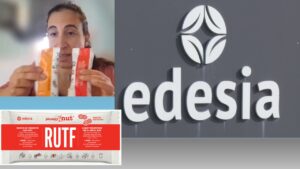
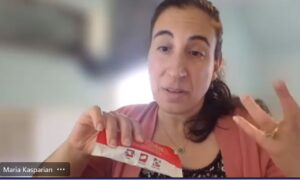
Interview with Edesia’s Maria Kasparian about Specialty Nutrition Foods

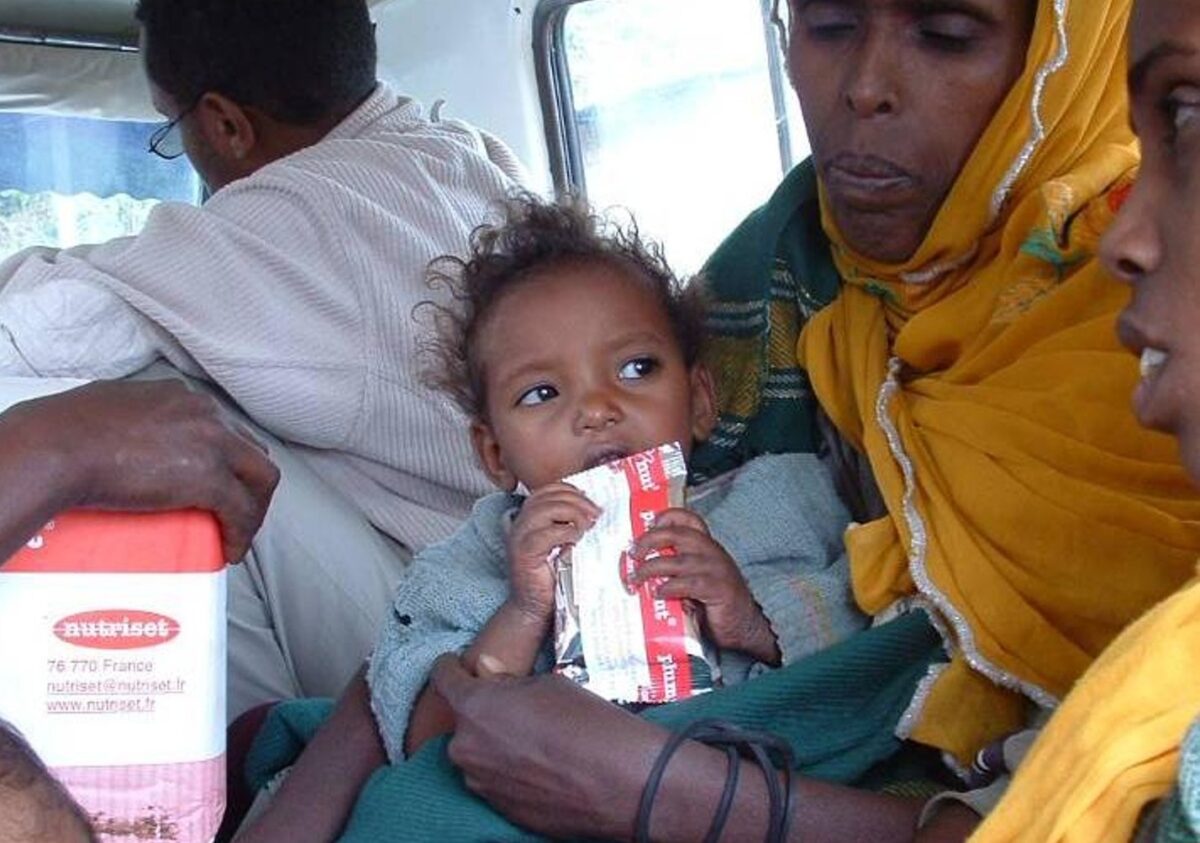
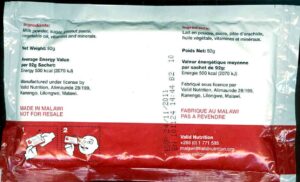
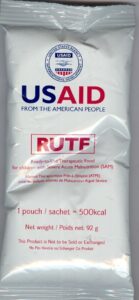
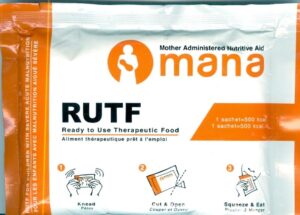
April 20, 2026      The WHES board met with and interviewed Maria Kasparian, expert about Plumpy’Nut which has become one of the most recognizable tools in the fight against severe acute malnutrition among young children around the world.  Plumpy’Nut is one brand of the broader food type called “Ready to Use Therapeutic Food”, or “RUTF.”  RUTFs have been a key topic in recent articles in Hunger Notes; nonprofits have used RUTFs in the Sudan, Gaza, Haiti, Afghanistan and in other countries in need.

In the United States, one of the leading producers is Edesia, the Rhode Island–based nonprofit that manufactures Plumpy’Nut and related products for UNICEF,  the World Food Programme, and NGO partners, while also participating in a wider global network of therapeutic food producers.
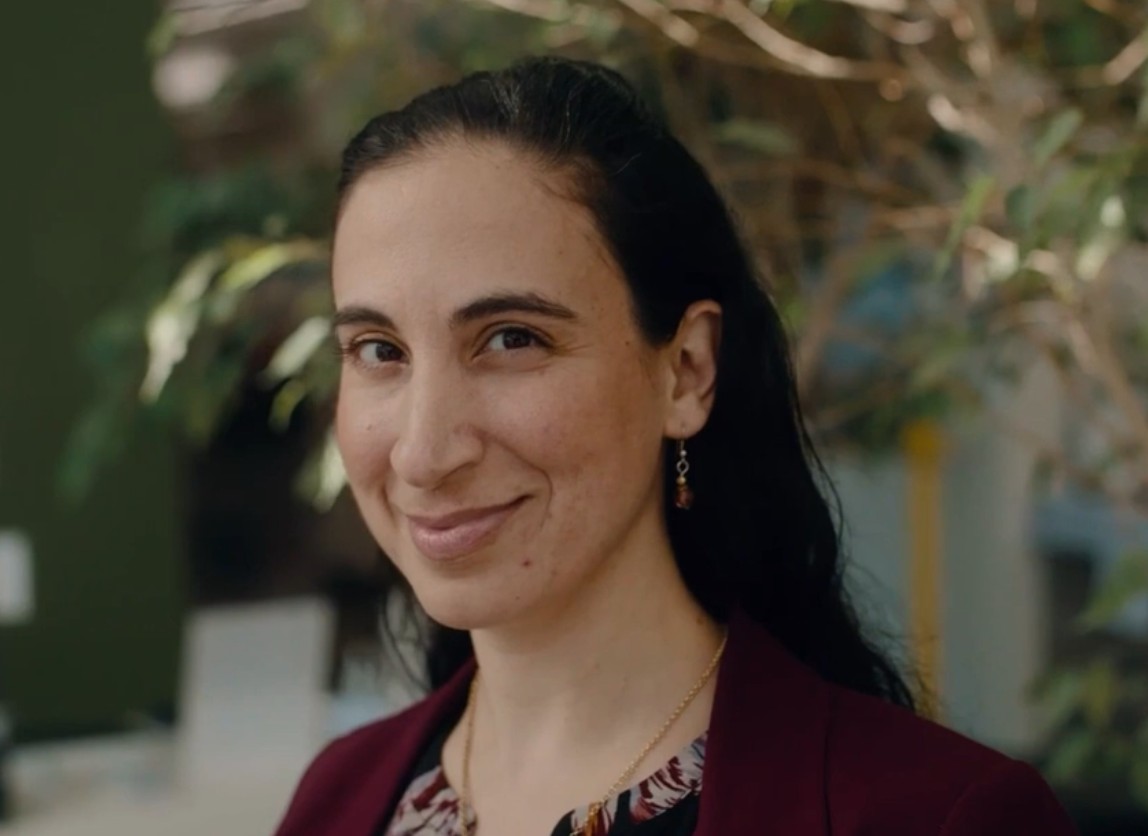
Following are selections from WHES’ interview with Ms. Maria Kasparian, Edesia’s Executive Director in 2023, about Edesia and now head of Strategic Partnerships.  The interview highlights several of these trends: rising interest in alternative formulations using ingredients such as soy, corn, chickpea, or millet; debate over procurement rules; the slow pace of agency adoption; and growing recognition that the challenge is not only making therapeutic food, but also building efficient supply chains that can deliver it where children need it most.

WHES: Thank you so much for taking time out to talk with us today. What should our readers know about Edesia?

Kasparian:  One of Edesia’s mandates is to educate and advocate global nutrition. We have school field trips, work with senators, channel our programming through Scouting America, and we do advocacy work in DC.
We produce in the US, taking with PL 480 (Food Aid) funds. We are producing 1.2 million packets of Plumpy’Nut each day. Edesia has had a ticker of how many children that our products have reached since we started producing in March 2010 – and distributing through partners. Today we are at 19.9 M children reached with full treatments. Our goal is to reach a total of at least 10 M more children within 2023 and 2024.

We’re also part of the “PlumpyField network” of partners in ten partners, spanning Madagascar, India, and other countries. We work to help these producers in other countries, such as Ethiopia and Haiti. For instance, we support Meds and Foods for Kids in Haiti. There are now 22 producers worldwide of RUTF, and each uses slightly different formulations.

WHES: Do all the producers of Ready to Use foods follow the same formulae?

Kasparian: Across the 22 suppliers of foods, there are no two formulas that are identical. But as long as we meet the robust recommendation, we’re okay.
Even within the PlumpyField Network, there are tweaks. There are differences, depending on what’s available locally. For example, you have to achieve certain omega-3 to omega-6 balance with the fats. You need to do that. The vegetable oils are important. You can get different kinds of vegetable oils depending where you are. There might be some variety there. You might have different forms of milk powder available. You might have different forms of whey available that have different amounts of protein. You’ve got to balance the formulas, depending on what ingredients you have available. But they’re very similar. We’ve actually done taste tests where we meet and have everybody’s and we blindly try to guess whose is who. So, they’re a little different, but the difference is small. But the formulations do vary a little bit. There will be a greater degree of difference with those outside the network formulations are.

WHES: Thank you. So, how do donors specify what they want or accept new ideas for specialty foods to address malnutrition?

Kasparian: Well, the Interagency oversight group (UNICEF and WFP) have discussed for many years, having a common standard. It’s the long game. Over time, things do get accepted. Governments and the U.N. don’t move quickly. So generally, though, progress does happen. It just happens slowly. You keep pushing, and over time, things do improve. So you must continue innovating.
The Tufts Food Aid Quality Review study comparing the effectiveness of different foods looked at RUTF (compared Corn Soy Blend or CSB+ with fortified vegetable oil (CSB+ w/oil), Corn soy whey blend (CSWB) with fortified vegetable oil (CSWB w/oil), and Super Cereal Plus with amylase (SC+A)) for the treatment of moderate malnutrition.  The cost-effectiveness was similar between the products, and caregivers had a slightly lower of their own opportunity costs when using RUTF.  The main conclusion was that NGOs/programmers should pick the products that would be most appropriate for their contexts.

WHES: Is it only about the formula of the food composition?

Kasparian: The ecosystem is not only about making RUTF, but also about improving the supply chain. Customs fees for incoming fees mean that local production is not necessarily cheaper. You know, it’s cheaper to get our foods from here to South Sudan than it is from Khartoum to South Sudan. As well, we’re shipping a lot to Somalia right now.

WHES:  Has demand grown for your RUTF?

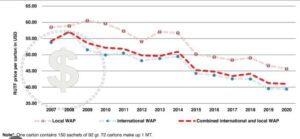
Kasparian: We have doubled the numbers of kids getting treatment. Most of it goes to Africa, over 70%. Our main goal is to reach more kids. The price of RUTF was going down significantly before the Covid-19 pandemic. As background, 70% is the cost of the ingredients. In 2005 a box of RUTF cost $55 but we brought that down to $35 a box in 2019.

WHES: How is it working with UNICEF and WFP?

Kasparian: One of the barriers we face is the way that Unicef and WFP work together. They work differently and in different places.

WHES: How do you relate to other producers in other countries?

Kasparian: We are a U.S.-based producer. We’re a non-profit U.S.-based producer, and that we care a lot about having a good balance of what’s coming from the U.S. and what is coming from local and regional procurers, and that balance is really important. And we do various things to support these
suppliers in other countries. We work particularly closely with Meds and Food for Kids in Haiti. We help them with their formulations. We just help them to get their codex, upgraded codex specification in order. We help them with procurement of raw materials. We help them troubleshoot from a maintenance engineering perspective.

WHES:   Edesia has a history going back to Tanzania, right?

Kasparian: Yes.  Before we set up a factory in the U.S., we established one in Tanzania, which, unfortunately, is no longer operational, but was, for about five years.  Thus, our experience kind of went that way. Our founder, Navyn Salem, has family roots in Tanzania.  Her father and three generations of the family are Indians who lived in Tanzania for a period of time. Ms. Salem’s father was born and raised in Tanzania before he came to the U.S. on a USAID scholarship for college.  This leads me to another interesting part of the story: USAID is really responsible for Edesia’s existence. Her father, and therefore she, would not be in the U.S. if not for USAID. The U.S. factory, Edesia, was an afterthought to Tanzania because, at the time, USAID’s Food for Peace, was looking to have RUTF and RUSF suppliers in the U.S. because they wanted to be able to use the Title II PL-480 funds for nutrition-specific commodities like RUTF, RUSF. Which, at the time, this is 2008, 2009, at the time, no one was making in the U.S. And there was a push to improve the food aid basket of what was coming out of the U.S. And to take more vulnerable groups into account and to add these nutrition-specific commodities. So, they kind of approached us and others to say, hey, can you do this in the U.S.?

WHES: Do you engage much with the public here in the U.S.?

Kasparian: Our factory doors are open. We have school field trips come through. We have senators and congresspeople whenever we can. We have Scouting America, Rotary Clubs, and the like. And then we also do advocacy work in D.C. around global nutrition.

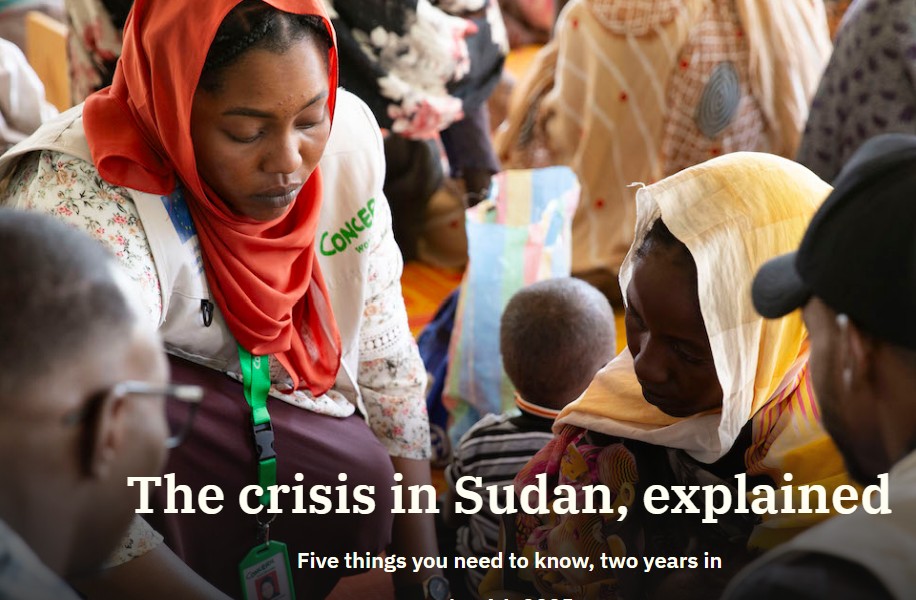
Concern Worldwide in Sudan

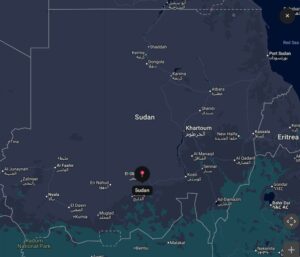
World Hunger Education Service made its annual anti-hunger award, including our recommendation and a cash grant to Concern Worldwide for its food and nutrition assistance in the worst famine crisis in the world, The Sudan, where it manages health clinics, case finding of children with malnutrition and building household resilience amid an intractable civil war. Their operations reach nearly half a million people across several states, including West and Central Darfur, West and South Kordofan, and the Red Sea StateConcern Worldwide has been operating in Sudan since 1985, with programs adapted to address the ongoing humanitarian crisis stemming from the conflict that escalated in April 2023.

Concern’s assistance in the last year included over 11 tons of medical items and 56 metric tonnes of pharmaceuticals and equipment in recent deliveries.   Nutrition programs include distributing 11 tons of ready-to-use therapeutic food (RUTF) to treat childhood malnutrition, addressing the loss of Sudan’s domestic RUTF production capacity due to conflict damage. Overall, nearly 480,000 people received support through these health and nutrition efforts in the first 10 months of 2025, with programs continuing into 2026 amid funding shortfalls highlighted by Concern’s leadership.

To mitigate long-term impacts like poverty, Concern integrates food security, livelihoods support, nutrition, WASH, and disaster risk reduction.  Their aid includes agricultural training, provision of inputs, and village savings and loan associations in Kordofan communities, adapted to the conflict environment. These programs aim to build resilience while addressing immediate needs from the crisis, which has left over 24 million people in Sudan requiring aid.   In 2024, Concern treated 8,312 children for severe acute malnutrition (SAM).  In addition, in 2024, over 12,000 individuals received in-kind food assistance, and 5,875 households were provided with multi-purpose cash assistance totaling approximately €1.2 million.

Concern Worldwide began in 1968, when a small group of Irish volunteers launched an emergency response to the famine in Biafra, Nigeria.  Today, Concern reaches over 30 million people in emergencies.

See:    https://www.concern.net/what-we-do/health-and-nutrition

See Hunger Notes’ previous interview with Dominic MacSorley, former CEO of Concern at:  https://www.worldhunger.org/interview-with-dominic-macsorley-former-ceo-of-concern-worldwide/

Donations from the US can go to:  https://concernusa.org/

https://concernusa.org/search-results/?q=sudan&page=1

Project HOPE’s Aid in Gaza

Project HOPE is the recipient of a donation by the World Hunger Education Service (WHES), a non-profit dedicated to educating the public about solving hunger which selected Project Hope to highlight and affirm its excellent work providing recovery foods for malnourished children in Gaza.

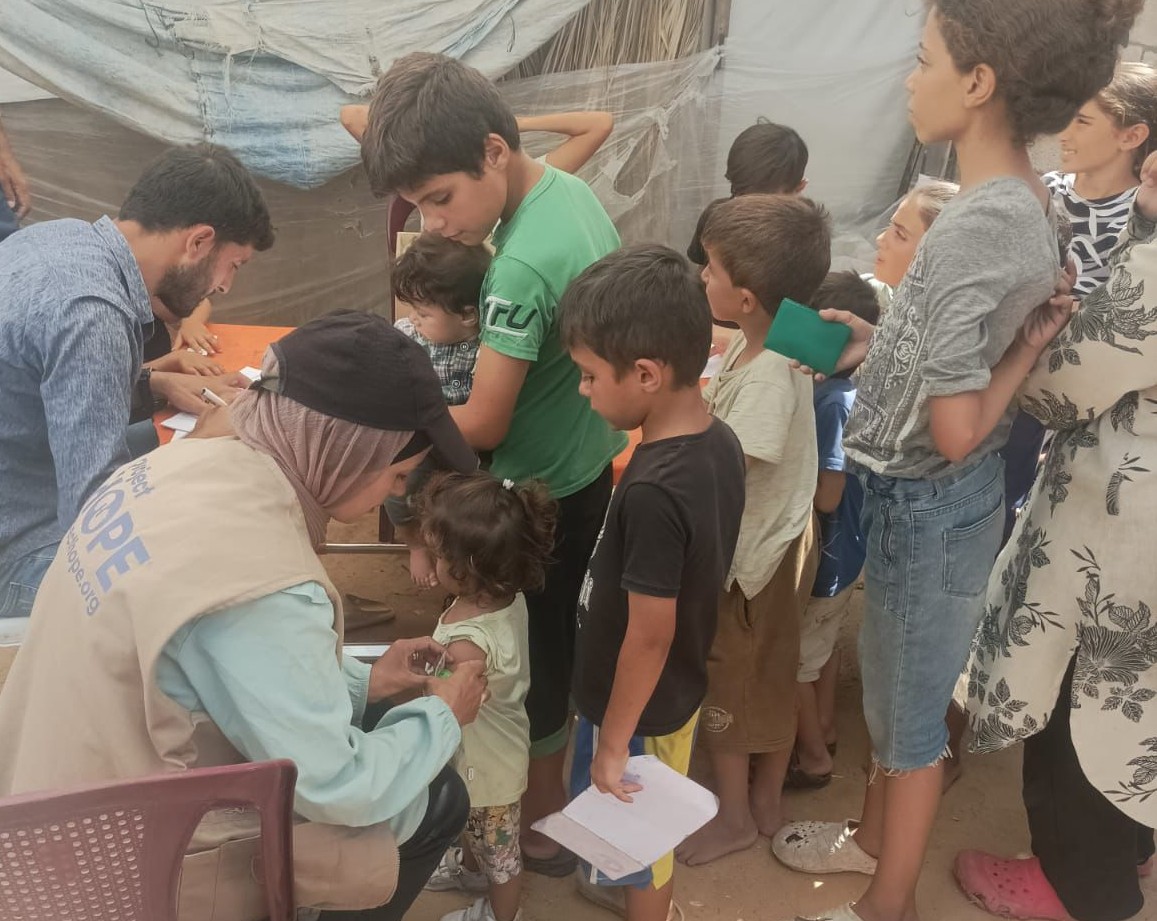
Project HOPE supports nutrition through its seven health clinics across Gaza, helping to reach tens of thousands of children with wasting (“acute”) malnutrition, which carries a high risk of death.   Gaza has been prone to increased prevalence of malnutrition over the last year or more as food imports and aid from outside, and movement/ distribution within Gaza have been blocked.  The highest prevalence of malnutrition has been measured in Gaza City.

Since the October 2025 ceasefire took effect, Gaza has experienced a partial recovery in market activity and food availability across Gaza, but supply shortages, cash-flow constraints, damaged infrastructure, and limited local production continue to hamper both supply and access. Food prices remain far above pre-conflict levels, with many basic commodities costing up to 200% more than before the fighting began. As a result, many households still struggle to afford a diverse diet, with consumption generally limited to staple cereals and pulses while meat, fresh produce, and other nutrient-rich foods remain largely out of reach.

From July 2024 to November 2025, Project HOPE screened 158,884 people for malnutrition, particularly focusing on children under five years of age and pregnant or breastfeeding women.   They provide High Energy Biscuits (HEB), Ready-to-Use Therapeutic Food (RUTF), rapid rehydration, and case management for those suffering from malnutrition.  RUTF is a food optimized to save the lives of young children who are severely malnourished.  They also have provided Psychological First Aid to 18,000 people. and distributed over 2 million liters of potable water.

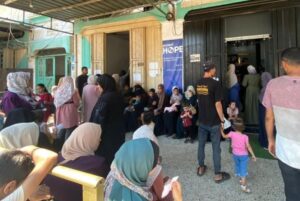
In Gaza, they operate health clinics in Khan Younis, Gaza City, and Deir al-Balah, providing an average of 1,170 medical consultations a day.  Because of their work in Gaza, World Hunger Education Service has granted them an award of $2,500 and recommendation to the public.

Supplies of RUTF are trucked via convoys into Gaza via roughly five border crossing points as palletized cargo.  Once inside Gaza, supplies are moved along major routes such as the Philadelphi Corridor and Al Rashid Rd to approximately 23 treatment sites.

Project HOPE is an international non-profit established in 1958.  Operating with public support for over 68 years, Project Hope strengthens health systems, combats infectious diseases and deploys emergency response and nutrition teams in crisis zones to provide humanitarian aid.  In severe crisis settings (e.g., conflict in Ethiopia, displacement in Gaza and Ukraine), Project HOPE’s emergency response includes clinical care and nutritional support for populations facing acute shortages.  They also work with communities and health workers about how to prevent waterborne illnesses like cholera and diarrheal disease.

For much of its history Project HOPE was known for its hospital ship which inspired people to choose careers in foreign aid.  Its flagship was originally the USS Consolation, which operated during the Korean war and then converted with 230 beds into a civilian aid ship.  Project Hope pioneered the concept of the first peacetime hospital ship operating the S.S. Hope for 14 years. For every American doctor or nurse on board, there was a local professional counterpart.   It traveled to many countries including Southeast Asia and South America.  Today they work in more than 25 countries across Africa, the Americas, Asia/Pacific, Europe, and the Middle East.

Similar to its work in Gaza, Project HOPE had been a lead US NGOs also responding Ukraine and Lebanon.  In Ukraine, the team operates mobile medical units, reconstructs health and social facilities, trains health workers, provides extensive mental health and psychosocial support, and more. In Lebanon, Project HOPE has been working around the clock to support urgent needs, including the distribution of water, sanitation, and hygiene (WASH) supplies and shelter items to displacement sites, as well as procuring essential medicines and medical supplies for hospitals and primary health centers.

See:  https://www.projecthope.org/

– WHES Board