Ask an Expert
Video: Global Hunger Basics
Fight hunger with knowledge. In this short video, World Hunger Education Service’s Steve Hansch explains global hunger, discusses a few causes, and tells you how to get involved in humanitarian work.



Fight hunger with knowledge. In this short video, World Hunger Education Service’s Steve Hansch explains global hunger, discusses a few causes, and tells you how to get involved in humanitarian work.

Hunger is not having enough nutritious food. To end global hunger, nutritious food needs to be affordable and available to everyone. Learn about the meaning, causes, and solutions to global hunger.
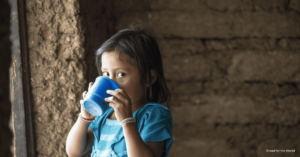
Adequate nutrition in the first 1000 days of a child’s life is vital for proper brain development. Malnutrition can have long-term impacts on a child’s life, including their ability to learn in school and grow properly.

Are you ready to challenge your understanding and make a real impact? Each completed quiz doesn’t just boost your awareness—it also translates into tangible aid for those in need. As you uncover surprising truths about global hunger, Hunger Notes will make a donation to organizations responding to hunger.

Dive deeper into the issue of global hunger with curated resources from our trusted partners. Discover the dedicated organizations joining forces to eradicate hunger worldwide.
Read the latest news and analysis about global hunger below.

September 13, 2026 Another global food crisis is emerging from Ukraine due to expanded conflict with Russia, reducing food exports. When Russia invaded the Ukraine (a sovereign state) in February of 2022, this blocked Ukraine's large foodgrains exports and caused a global food crisis. A compr...
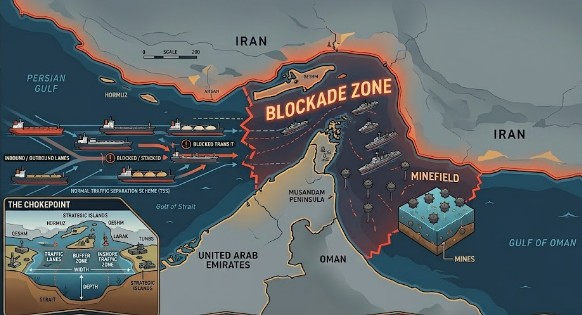
June 4, 2026 News Analysis by Rohma Akhtar The Middle East war continues to disrupt ship traffic through the Strait of Hormuz affecting shipments of urea, sulfur and phosphates for fertilizer. As predicted, aid agencies are reporting increases in malnutrition as a result. As reported here, in...
April 26, 2026 The 2026 Global Report on Food Crises (GRFC), jointly published on April 24 by the Food and Agriculture Organization (FAO), the World Food Programme (WFP), and the Global Network Against Food Crises, estimates that some 35.5 million children were acutely malnourished across 23 nutriti...
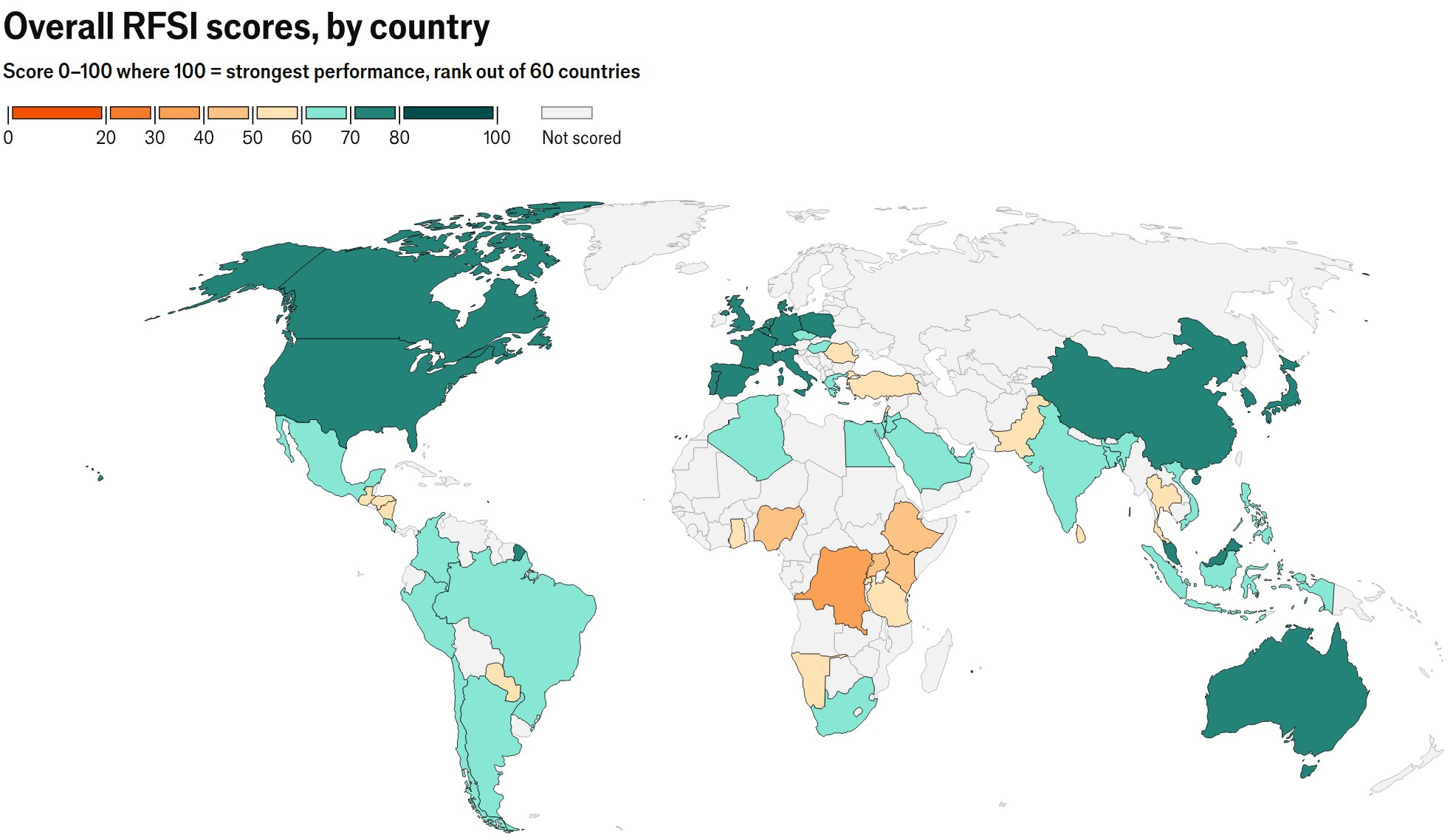
May 6, 2026 The Economist Impact's inaugural Resilient Food Systems Index (RFSI), supported by Cargill, benchmarks food system resilience across 60 countries using 71 indicators organized into four pillars: affordability, availability, quality and safety, and climate risk responsiveness. Th...
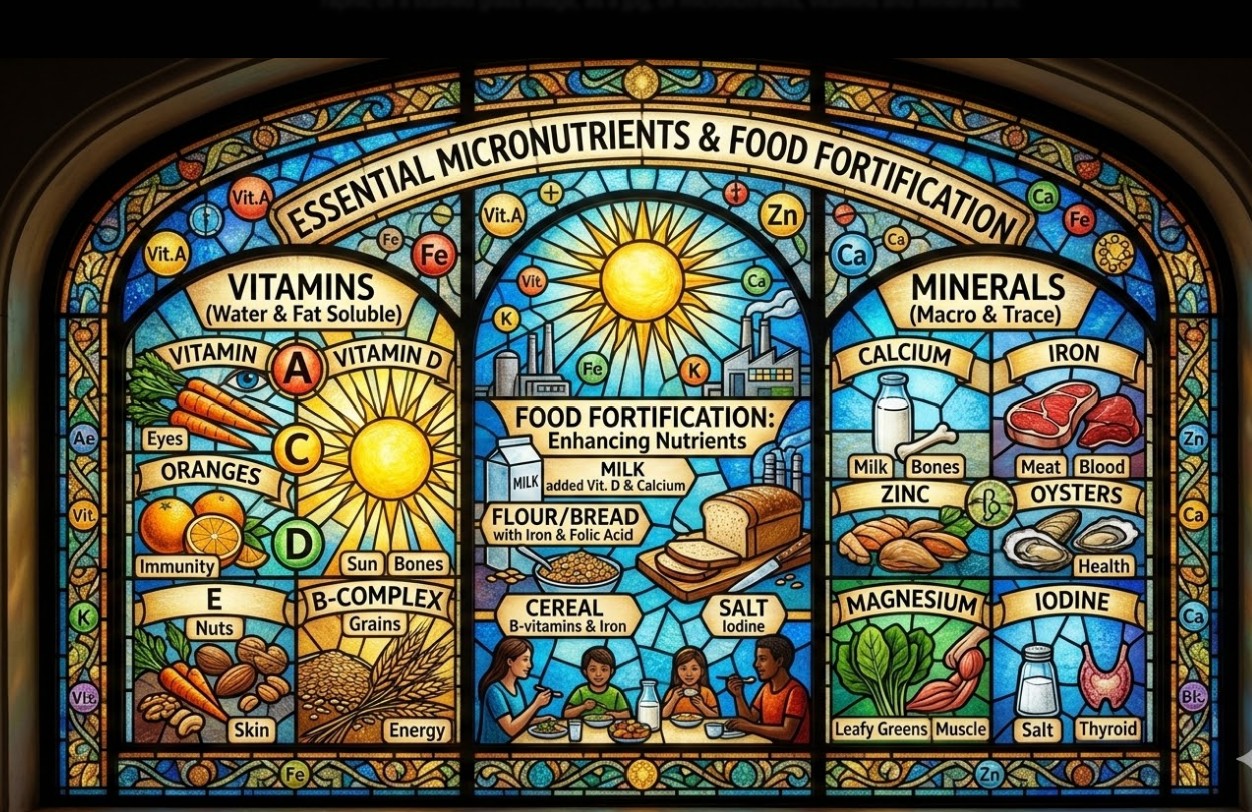
March 5, 2026 A new analysis of food fortification programs finds that the fortification of consumer foods is cost-effective in the majority of contexts in reducing deficiency diseases of micronutrients (vitamins and minerals). The findings are available online, as published by Elise Cogo, ...
This article explains how the long-term climate-related effects of cutting USAID are real in terms of actual dollar costs to countries, as well as other impacts, such as increased irregular migration, climate risks, endangered supply chains, humanitarian spending, and more....

December 2025 Recent UN annual reports and updates about global hunger highlight several important issues and trends as we move into 2026: WFP will prioritize feeding 110 million in 2026 despite larger need: Declines in global humanitarian funding are forcing WFP to prioritize food assistanc...

"The decision halts funding for initiatives that build resilience in chronically food-insecure regions — known as resilience food security activities or nonemergency food aid — which are designed to reduce chronic hunger and prevent future emergencies." ...

Lesson Plans on Hunger and Food Insecurity As part of its mission to educate about hunger, WHES has put together an index of publicly available lesson plans on hunger and food insecurity. Whether you are a school teacher, a homeschooling parent, a daycare worker, a parent or guardian, or another typ...

FEWS NET released their Food Assistance Outlook Brief for October 2025. The monthly outlook briefs provide country-by-country information on hunger hot spots as well as and global trends. This brief focused on Guatemala and Mozambique. You can also watch the recorded video of the free public bri...
 World Hunger Education