


Food Aid
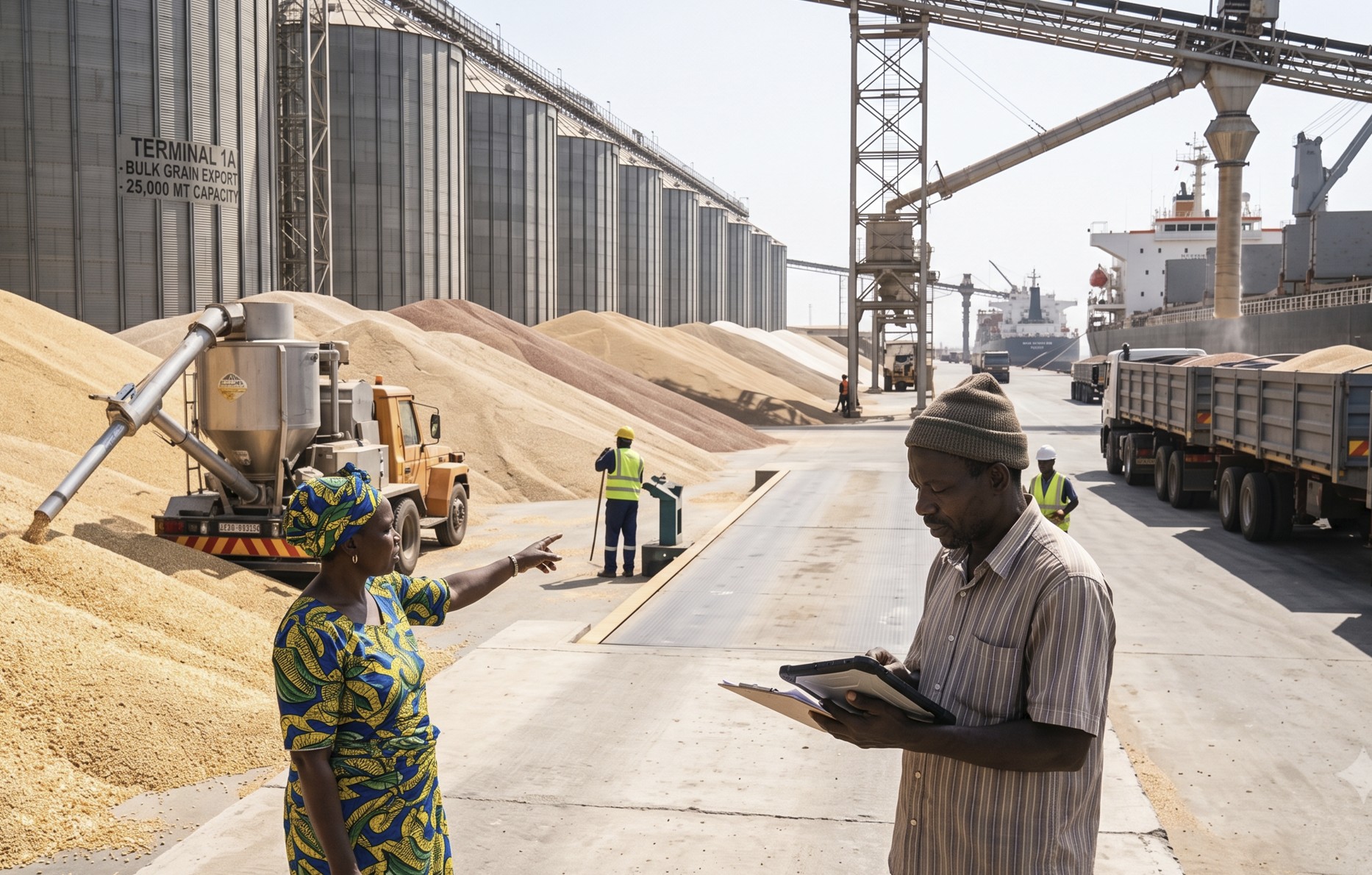
U.S. Food Aid (Part 10): To Monetize or Not to Monetize? A Review of Food Aid Monetization
July 30, 2026 by Mara Russell The sale of U.S. food aid overseas, e.g., Title II monetization, has been controversial for decades. Going back to the beginning of Public Law 480 in 1956, food aid was provided through a government-to-government program known as Title I in which recipien...
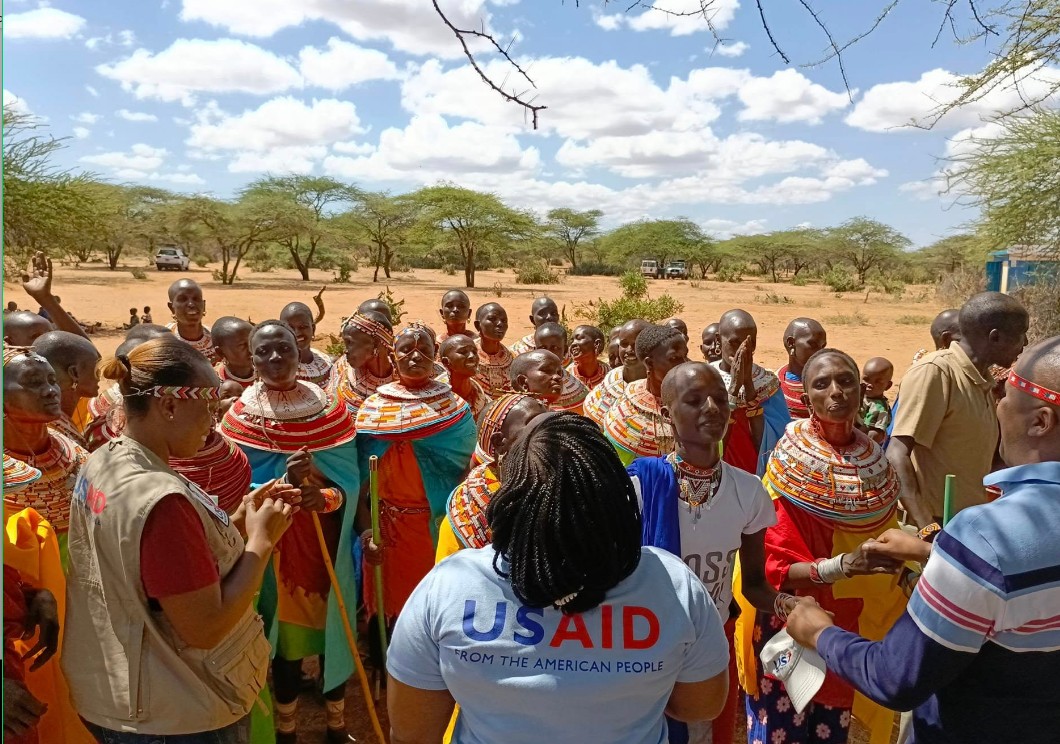
U.S. Food Aid (Part 8): Nawiri in Arid Lands of Kenya
July 24, 2026 This is the eighth Hunger Notes article about Food for Peace programs to help inform the public and USDA about lessons learned during past decades about the design and evolution of US food aid, intended to inform USDA which has an outstanding request for information. Nawiri was th...

U.S. Food Aid (Part 7): Lessons of Exit & Sustainability
July 21, 2026 This is the seventh part of a Hunger Notes series that review of lessons of U.S. food aid. The ultimate goal of aid agencies’ food aid projects is to solve hunger problems in a lasting way. Rarely, however, are aid agencies able to come back and see what improvements persisted ...

U.S. Food Aid (Part 6): A Timeline of U.S. Food Aid
July 20, 2026 This is the sixth posting in an effort to inform the public and USDA about Food For Peace lessons and directions. Below is a timeline of selected milestones in the history of U.S. food aid sent overseas. World Hunger Education Service compiled this from a range of sources with i...
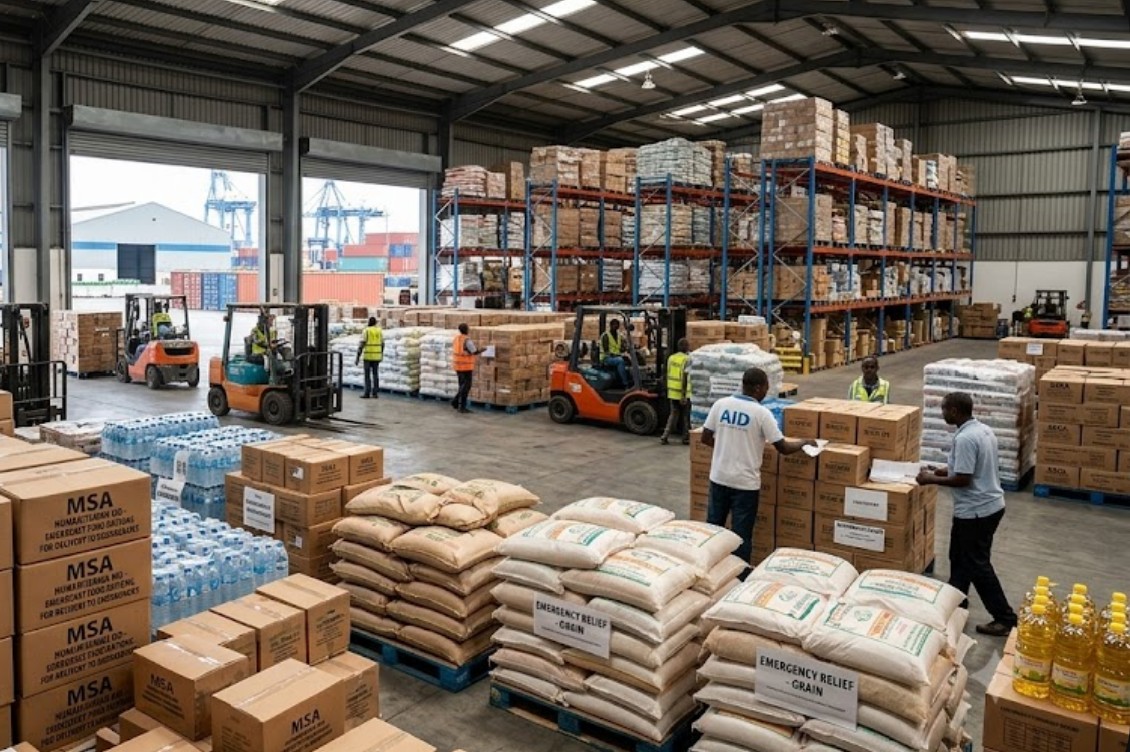
U.S. Food Aid (Part 5): Prepositioning Food Stores Overseas
July 19, 2026 This is the fifth article in a series about lessons about U.S. Food for Peace and food aid, recognizing the redesign of food aid by the US Department of Agriculture. USDA which has requested inputs and advice for future FFP programming in their recent Request for Information, d...
U.S. Food Aid (Part 4): GACAP, Monetization, and Food Aid Management
July 18, 2026 This is the fourth in a series of articles about U.S. Food for Peace to inform the public and USDA about lessons of food aid. For some time, U.S. NGOs or Private Voluntary Organizations ("PVOs") came together to create a network for sharing lessons, learning, and principles about f...
U.S. Food Aid (Part 3): Lessons from Tufts University’s “Food Aid Quality Review”,
July 17, 2026 This is the third in a series of briefs about U.S. Food Aid, recognizing the shift of programming to the U.S. Department of Agriculture. Every year, for over a half century, the United States has shipped more than a million tons of food to hungry people in dozens of countries. Du...
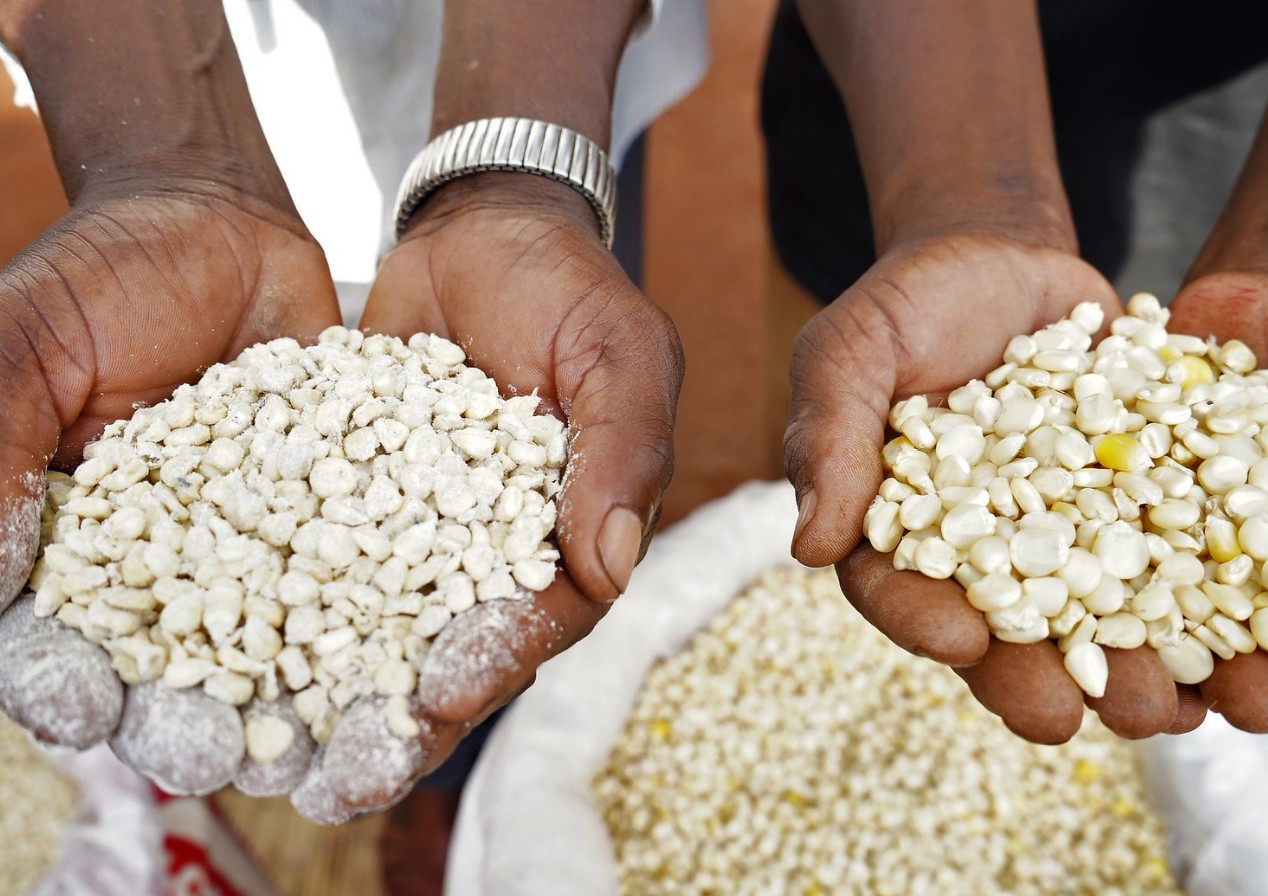
U.S. Food Aid (Part 2): FAFSA – “Food Aid & Food Security Assessments”
July 13, 2026 This is the second of a series of Hunger Notes articles about the re-design of the U.S. Food for Peace (FFP) program,that is now in process at the U.S. Department of Agriculture, which just released a request for informational inputs this past week. In past decades, USAID commissio...
U.S. Food Aid (Part 1): Reflections about Food Aid by Long-Term Practitioner
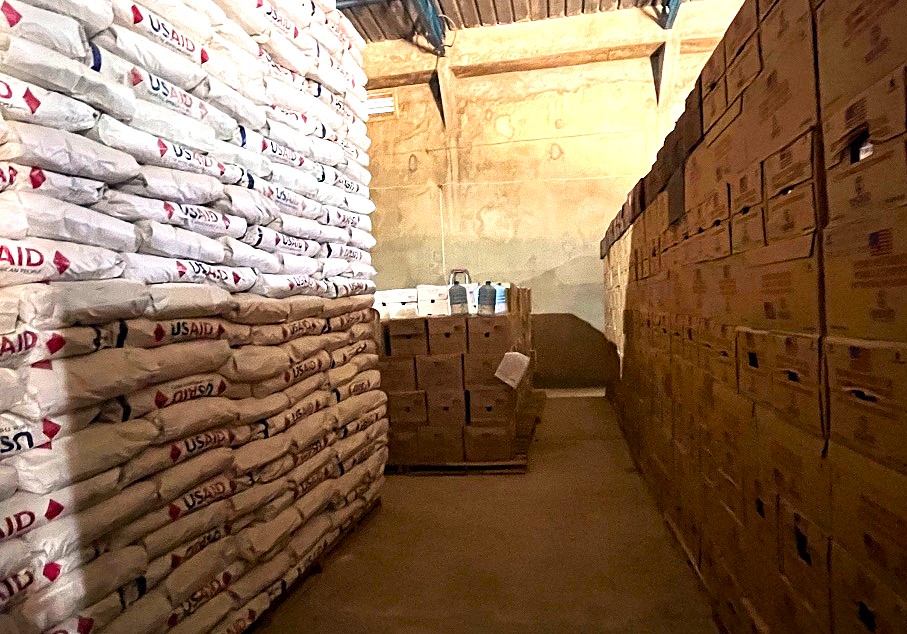
July 7, 2026 by Mara Russell This is the first in a series of articles by Hunger Notes about the U.S. Food for Peace (FFP) Program. "Food for Peace Title II Non-Emergency Programs: What are they and Why are they needed?" In the United States, government-funded “Food for Peace” (FFP...
On Resilience: What is Resilience in Anti-Hunger Aid?
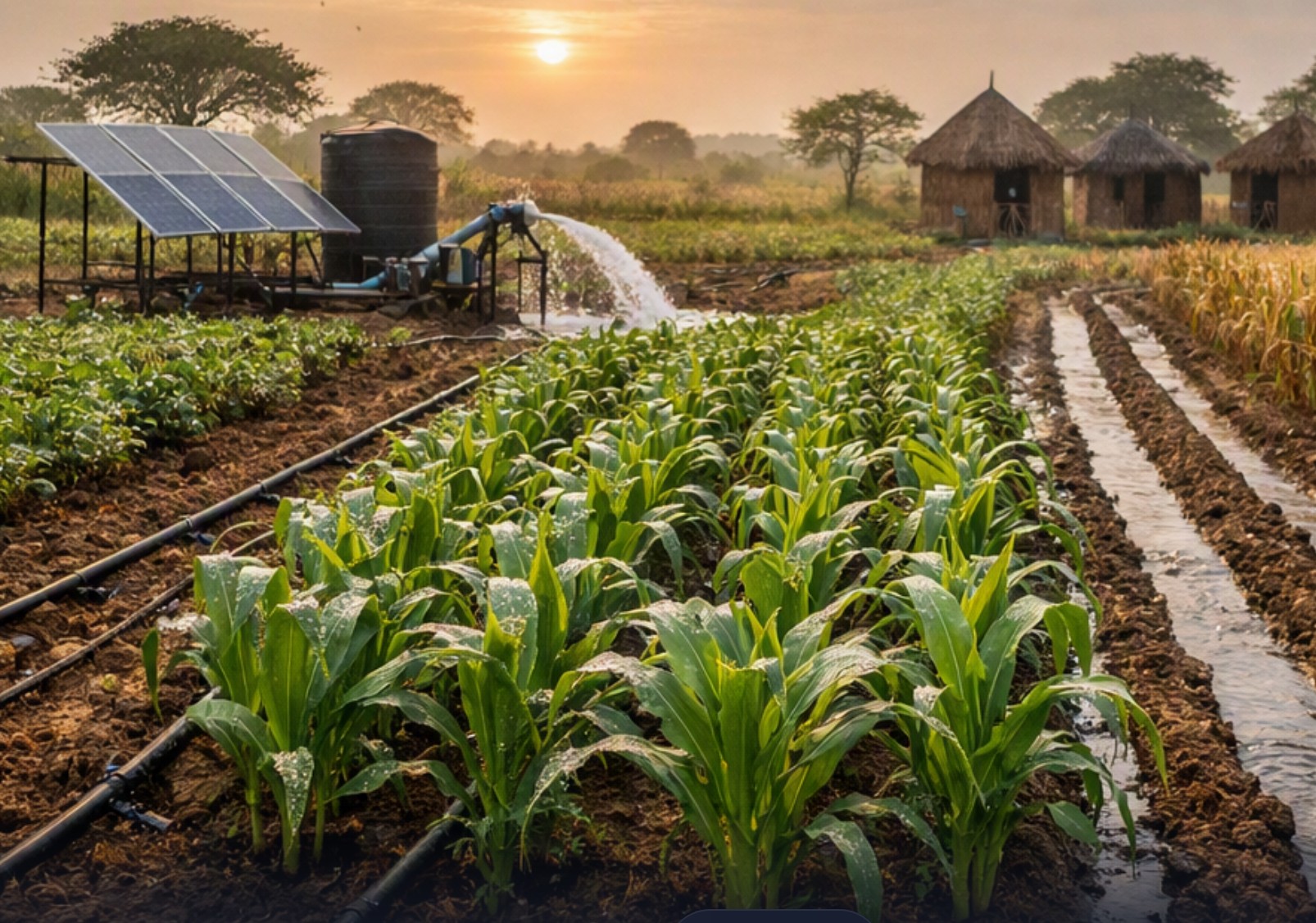
July 1, 2026 This ongoing column in Hunger Notes was created to explore the fascination aid agencies have with the term "resilience," which to some degree has replaced other broad, aspirational buzzwords like "development", "sustainability," and "empowerment." Like those other terms, resili...
-
 World Hunger Education
Service
P.O. Box 29015
Washington, D.C. 20017 -