


On Resilience
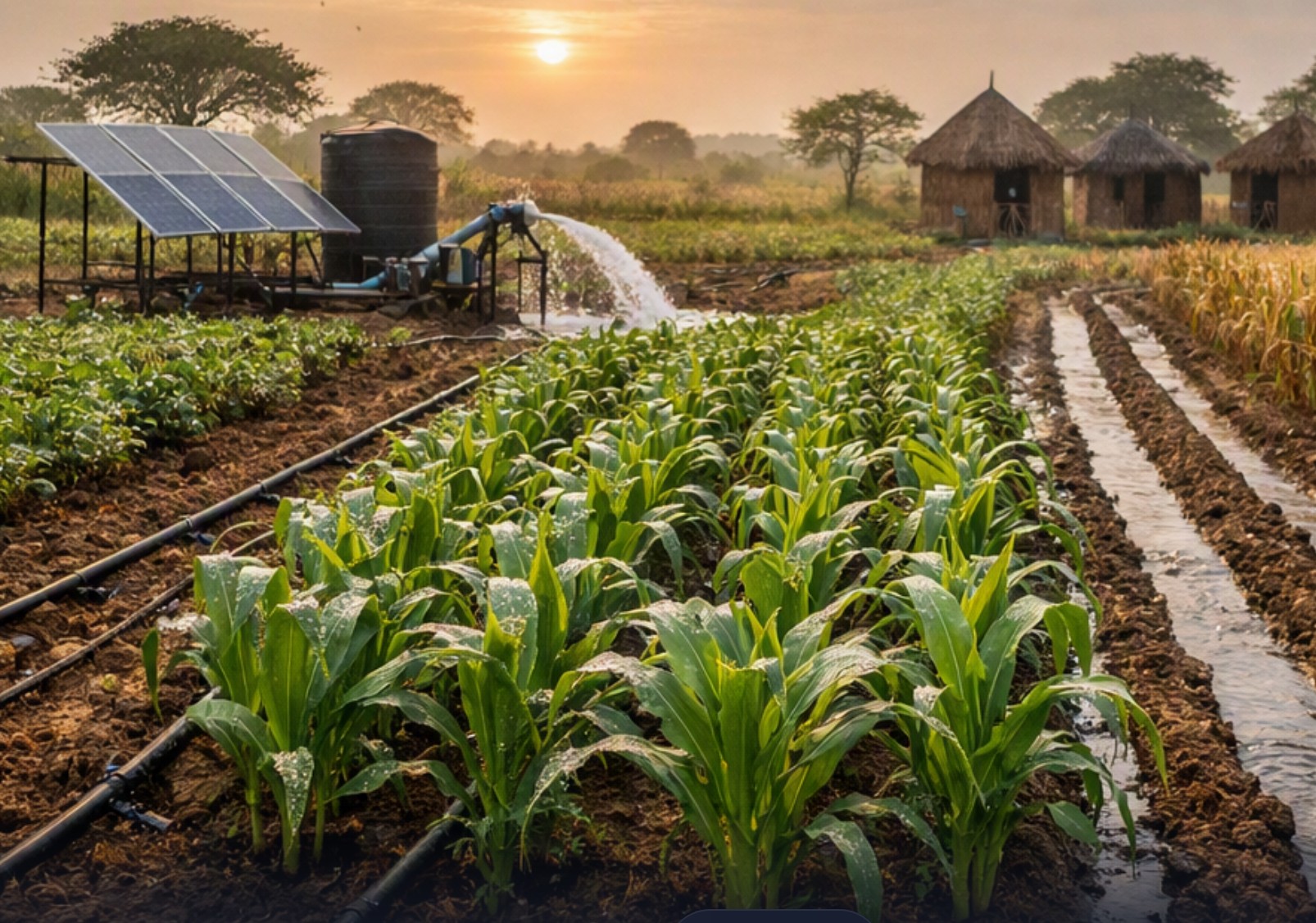
On Resilience: What is Resilience in Anti-Hunger Aid?
July 1, 2026 This ongoing column in Hunger Notes was created to explore the fascination aid agencies have with the term "resilience," which to some degree has replaced other broad, aspirational buzzwords like "development", "sustainability," and "empowerment." Like those other terms, resili...
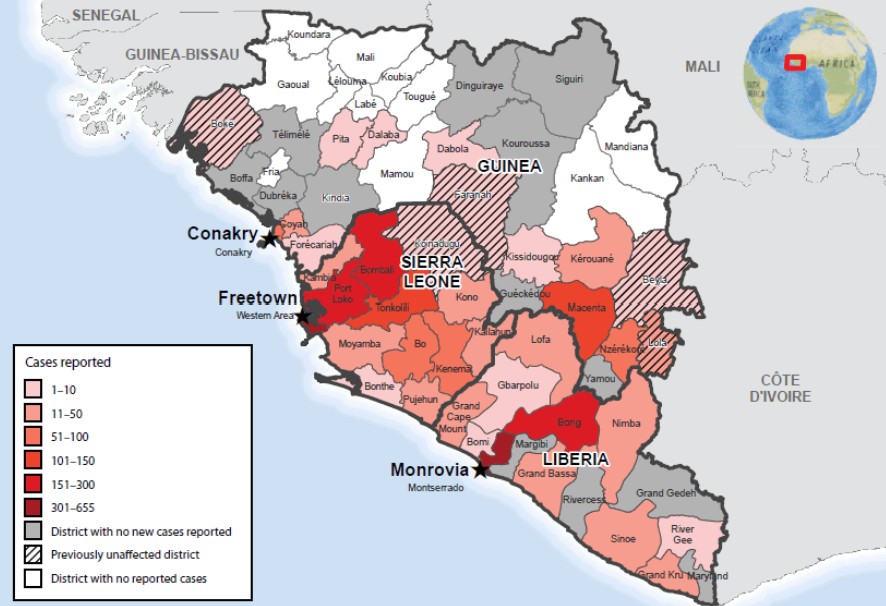
Ebola Control Lessons from Past Outbreaks
June 18, 2026 Food insecurity the Democratic Republic of Congo (DRC) has formed a vicious circle this year with the latest Ebola virus outbreak, now the 17th recorded and the largest to date in terms of people infected. The Adventist Development and Relief Agency (ADRA) is an example of an NGO ...
India’s Conquest of Famine
April 19, 2026 India's growth from food dependence to food surplus is one of the most important development stories of the last half century. At its heart was the science of agricultural research. Following Paul Ehrlich's passing away, there have been many articles about the change that hav...
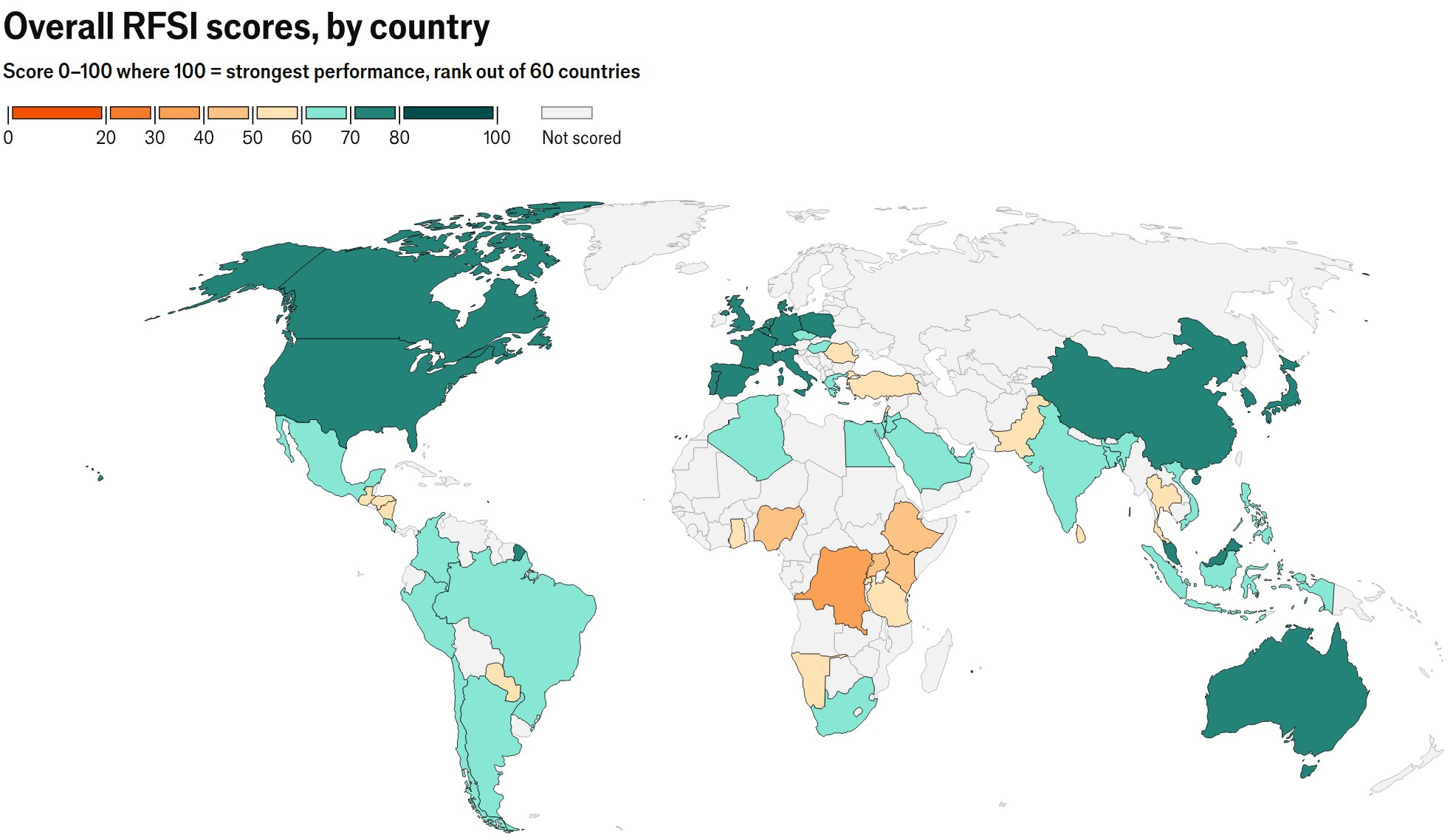
New Global Survey of Food Resilience, by the Economist
May 6, 2026 The Economist Impact's inaugural Resilient Food Systems Index (RFSI), supported by Cargill, benchmarks food system resilience across 60 countries using 71 indicators organized into four pillars: affordability, availability, quality and safety, and climate risk responsiveness. Th...

Food Insecurity Impairs Resilience and Elevates Distress in Young Adults
About 13.5% of U.S. households or nearly 18 million families experienced food insecurity in 2023. Food insecurity manifests as a person's uncertainty of accessing sufficient and nutritious food. It is increasingly recognized as a series risk factor for mental health. A recent cross-sectional...

Famine Early Warning System Restarted
Correction & Update: Hunger Notes reported on March 19 about the cancellation of the important, 40-year-old Famine Early Warning System program, created and funded by USAID. While true at the time, FEWS NET has been re-established. You can access it here. The May 2025 prediction report is a...

World Hunger Day
May 28 is World Hunger Day, a global initiative to raise awareness about global hunger and inspire action to address food insecurity and malnutrition. World Hunger Day has been celebrating sustainable solutions to hunger and poverty since 2011, and this year targets the importance of "sowing resil...

Book Review: We Fed an Island – the True Story of Rebuilding Puerto Rico, One Meal at a Time
The book, “We Fed An Island - One Meal at a Time” by Chef Jose Andres (2018, Harper Collins Publisher) describes how the NGO, World Central Kitchen (WCK), reacted to the 2017 Hurricane Maria after it hit Puerto Rico, knocking out power and destroying homes. Several days after the hurricane, Chef...

Hunger Notes’ New Fact Sheet about Famine
WHES researched this new fact sheet about famine: https://www.worldhunger.org/famine-fact-sheet-dec-2024/...

Regenerative Agriculture to Mitigate Hunger: Thurow’s Latest Book
Book Review: Roger Thurow’s Against the Grain: How Farmers Around the Globe are Transforming Agriculture to Nourish the World and Heal the Planet (2024, Publisher: Agate Surrey) American journalist, Roger Thurow, has written consistently about global hunger and food issues for many years...
-
 World Hunger Education
Service
P.O. Box 29015
Washington, D.C. 20017 -