


Middle East
Economic Sanctions Create Hunger, But Not Political Change
September 3, 2026 An analysis published in the New Arab explains that economic sanctions, part of economic warfare, disproportionately hurt the poorest segments of populations, while rarely achieving intended political goals. It cites decades of research about how sanctions increase hunger...
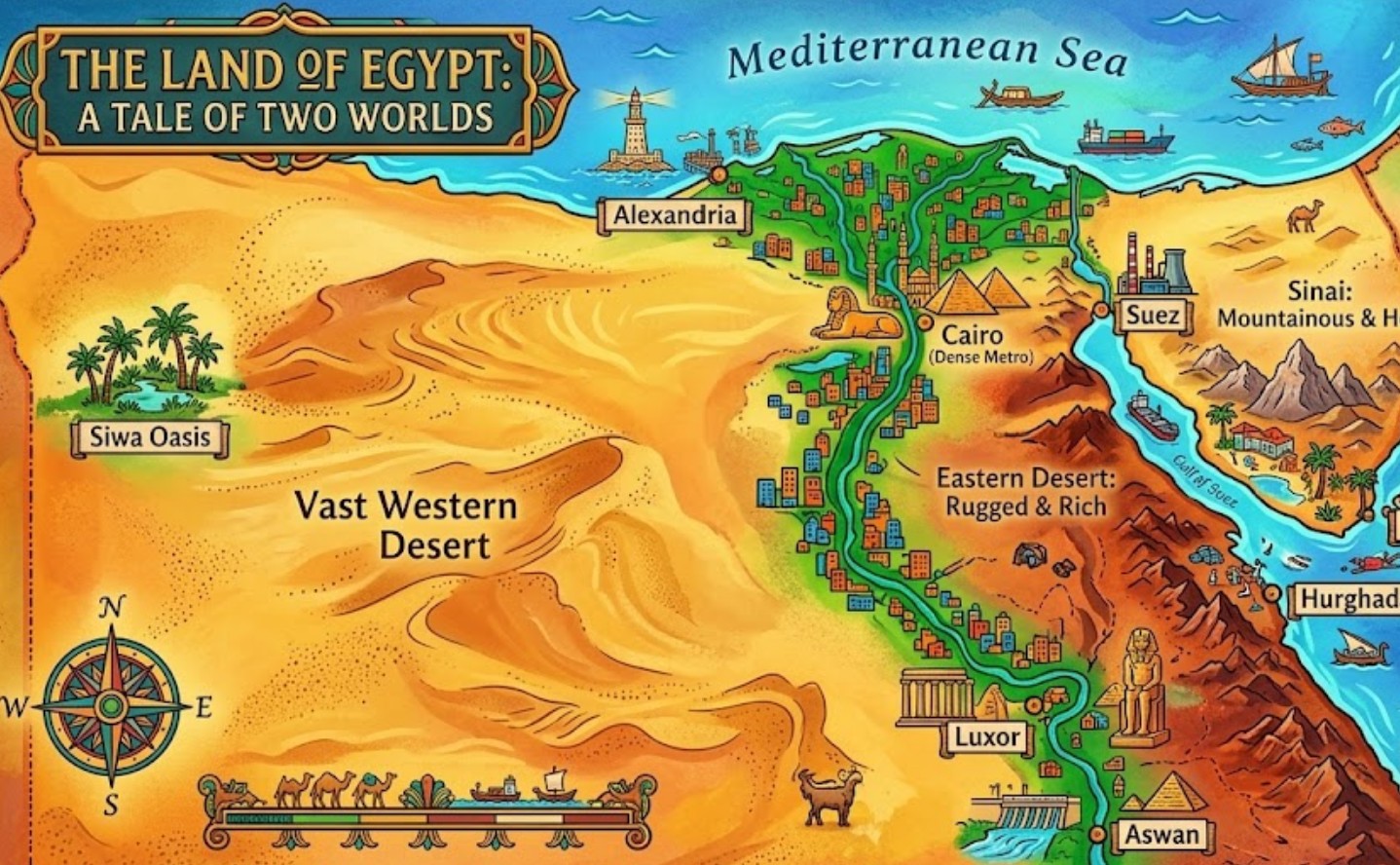
Overhaul of Egypt’s Food Safety Net
August 20, 2026 Half of Egypt's population of 120 million will receive new food safety nets in 2027. Egypt is modernizing and expanding its decades-old massive food-support program by shifting from fixed allocations of in-kind subsidized goods, like bread, to a cash-based assistance model.Â...
Update about Hunger & War in Iran
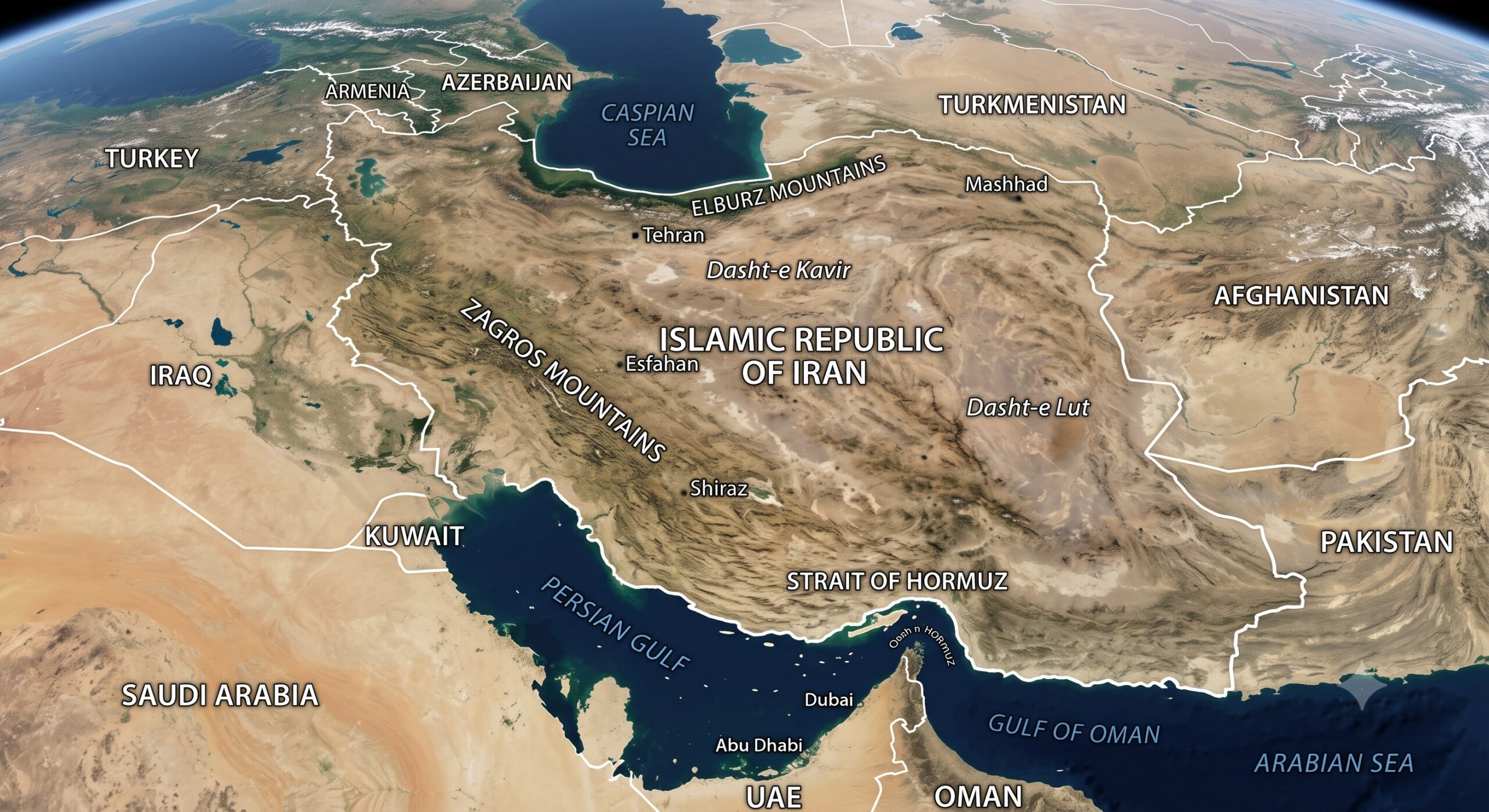
July 26, 2026 By Stephen Sellers What began as a single day of strikes on February 28, 2026 has become one of the longest and costliest U.S. military engagements in decades, and the humanitarian toll on Iran's youngest children has deepened rather than resolved. Nearly five months on,...
Most of Yemen is Now Hungry, UN Declares
June 17, 2026 Yesterday, the UN was advised that the extent of food insecurity in Yemen had ratcheted up further: "The hunger crisis in Yemen is worsening sharply, with the share of people unable to meet basic food needs rising from about half to nearly 60 percent within a month," UN Under-Se...
Lebanon’s 2026 Conflict and Displacement Increase Malnutrition
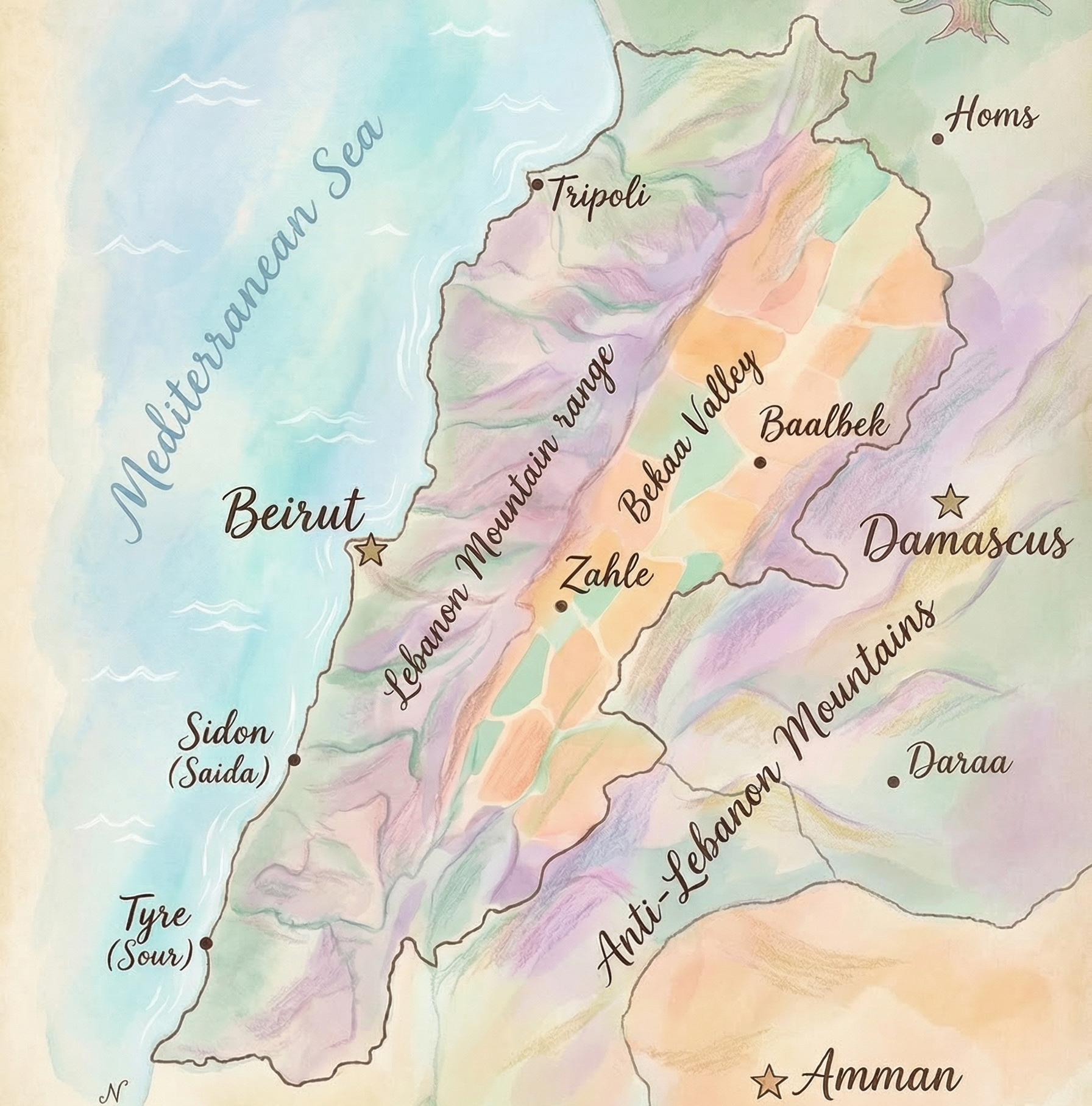
April 8, 2026: An estimated 1.65 million people in Lebanon are vulnerable to increased food shortages and malnutrition due to the combination of conflict, bombardment, displacement and denied access of food shipments. The conflict between Israel and Hezbollah forces in Lebanon has caused signif...

Threat of Child Malnutrition in Iran Amid U.S.–Iran Conflict
February 28, 2026 The U.S.–Iran war that began today, 28 February 2026, threatens to sharply worsen malnutrition among children under five in low-income urban neighborhoods of strike zones (Tehran, Isfahan, Kermanshah) and in rural border provinces (e.g., Sistan-Baluchestan and Kurdistan...
Project HOPE’s Aid in Gaza
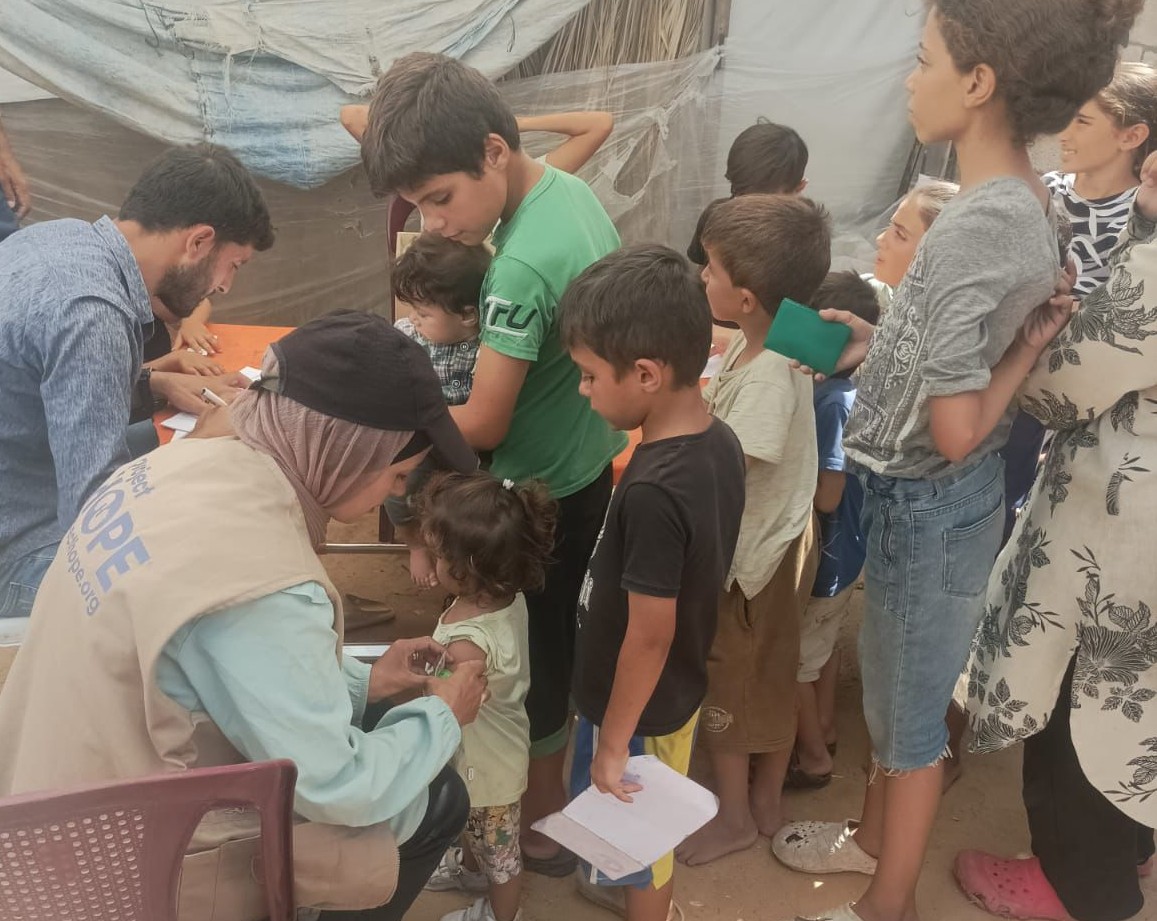
Project HOPE is the recipient of a donation by the World Hunger Education Service (WHES), a non-profit dedicated to educating the public about solving hunger which selected Project Hope to highlight and affirm its excellent work providing recovery foods for malnourished children in Gaza. Project HOP...

“11.5: Edge of Life” Campaign Targets to Reduce Deaths from Severe Wasting Malnutrition
A new global initiative to treat children with severe, wasting (short term) malnutrition was announced this past week by Sheikh Mohammed bin Rashid Al Maktoum, Vice President of the United Arab Emirates. The global campaign is called "The 11.5: Edge of Life Ramadan campaign", referring to the co...

Key U.N. Updates Show Alarming Hunger Trends
December 2025 Recent UN annual reports and updates about global hunger highlight several important issues and trends as we move into 2026: WFP will prioritize feeding 110 million in 2026 despite larger need: Declines in global humanitarian funding are forcing WFP to prioritize food assistanc...

Gaza Humanitarian Food Aid – A Report by Senators Van Hollen & Merkley
A detailed report by U.S. Senators Chris Van Hollen (Maryland) and Jeff Merkley (Oregon) resulting from a fact-finding CODEL mission to Israel, Gaza’s border, the West Bank, Jordan, and Egypt is a review of their observations of destruction and forced displacement. (Van Hollen, Merkley Report Fo...
-
 World Hunger Education
Service
P.O. Box 29015
Washington, D.C. 20017 -