September 27, 2026 Last week, the Beast Philanthropy and the Rockefeller Foundation announced a strategic alliance for “regenerative school meals” programs in Bomet County and in Ghana’s Eastern Region, serving roughly 4,000 children a daily lunch, five school days a week, for five years.
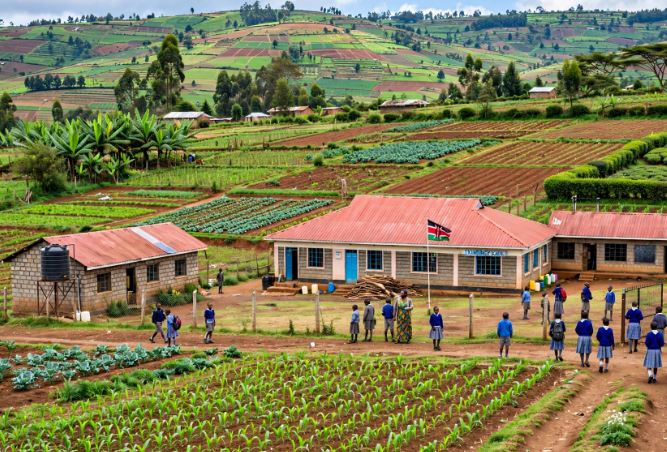
In Kenya, the plan is to build a model its backers call scalable for the drier landscapes of the southwest. It rests on three pieces: school gardens used to teach nutrition and regenerative farming; a supply line linking local fortified-bean growers to school kitchens, drawing on Rockefeller’s existing work with AGRA; and solar-powered clean cooking. The rollout starts in three schools.
MrBeast’s Kenyan work predates this Rockefeller effort. His team drilled dozens of boreholes in 2023, rebuilt Oloirien Primary in Narok with a kitchen, farm and greenhouse in 2025, and in February 2026 added ten classrooms at Nyakichiwa Primary in Bomet, where it had been serving free lunches for a year.
In Ghana, the work begins in ten schools serving nine communities in the Eastern Region. There the emphasis is cocoa country: helping cocoa farmers intercrop food for school kitchens into their agroforestry plots, a direct link to Beast Philanthropy’s stated goal of getting children off cocoa farms and into classrooms.
Rockefeller says it had already committed more than $6.75 million over five years to school meals in the two countries before MrBeast arrived.
School meals already reach about 2.6 million Kenyan learners through the government’s own program, and Nairobi used UN week to pledge a push to 10 million by 2030. What sets this effort apart is less its size than its wager: that a meal sourced from nearby farms, cooked on clean energy and filmed for an audience of hundreds of millions, can do more than feed the children in front of it.
They are partnering with AGRA, Ecobora, CARE, BURN Manufacturing, Faitrade Africa, and the West Akyem Cooperative Cocoa Farmers and Marketing Union.
The “regenerative” label means the partners want school kitchens to act as a guaranteed buyer that pays farmers to shift toward soil-building, climate-resilient practices. In Ghana, that runs through cocoa: food crops intercropped among cocoa trees become lunch, and more stable farm income is meant to reduce the pull of child labor. It ties a nutrition program directly to the supply chain behind Donaldson’s Feastables chocolate brand.
The kitchen as an energy project: Clean cooking is usually a separate aid program but in this initiative it is built into the meal preparation from the start, with solar-electric and briquette stoves meant to cut indoor smoke, firewood cutting and the fuel costs that often fall on parents.
Including fortified beans into school menus, via AGRA, provides micronutrients.
Storytelling as the catalytic tool: Rockefeller is paying for Beast Philanthropy to film the students, families and farmers and put their stories before a global audience. The theory of change is that attention will lead to expanding private donations, volunteering and political will. Rockefeller president Rajiv Shah framed it as evidence that the vulnerable can still be reached.
July 24, 2026 This is the eighth Hunger Notes article about Food for Peace programs to help inform the public and USDA about lessons learned during past decades about the design and evolution of US food aid, intended to inform USDA which has an outstanding request for information.
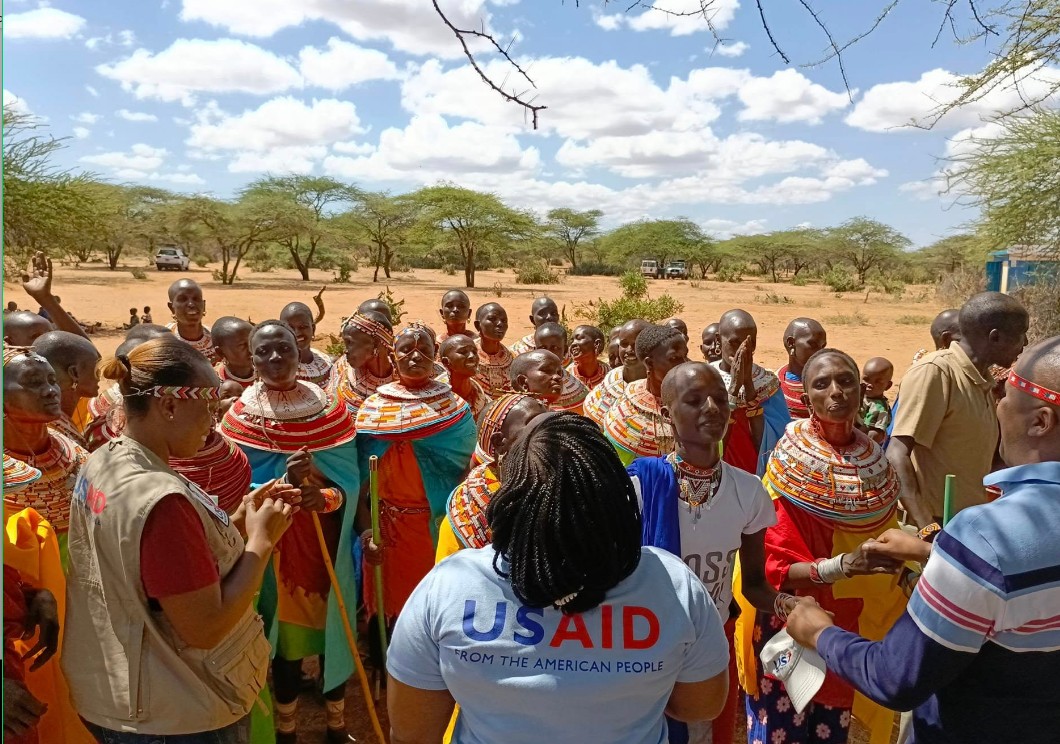
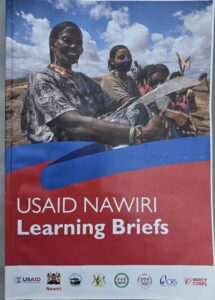
Nawiri was the most recent Food for Peace program for Kenya, with about $200 million to different NGOs, led by two groups, Catholic Relief Services and Mercy Corps, covering drought-prone arid lands with mixed pastoral and agricultural economies. The CRS consortium included Caritas, Tufts University, IBTCI, Concern, Village Enterprise and Kenyatta University and worked in Isiola and Marsabit counties, while Mercy Corps worked in Samburu and Turkana counties, with Research Triangle Institute, AVSI, Viamo, Caritas and the African Population and Health Research Center. Together these teams reached some 550,000 people.
Program metrics showed that Nawiri achieved substantial positive impacts but the benefits were often uneven, context-dependent, and constrained by severe environmental shocks. The implementing agencies found that acute (wasting) malnutrition varies significantly between neighboring wards, across different seasons, and over time, meaning that generalized regional approaches are often ineffective. Also, screening methods like mid-upper arm circumference (MUAC) and weight-for-height z-scores (WHZ) behave differently across seasons, sex, and age groups. Relying solely on MUAC can delay the identification of malnourished children; employing both metrics is necessary to accurately capture different characteristics and stages of malnutrition. Not surprisingly, they found that dry climate correlated with worse malnutrition.
NGO evidence generally showed that where their interventions were concentrated, malnutrition measurably fell. During the period of study, wasting malnutrition declined by over 20% in target areas, though it increased 40% in Turkana. Furthermore, longitudinal studies noted that stunting (long-term malnutrition) increased significantly over time for the sample as a whole, particularly in Laisamis.
Increased systematic screening and referral of malnourished children to health posts were an important reason for those declines seen in wasting. In the Turkana, Nawiri equipped 210 community health volunteers in 4 communities with dosage carts, pneumonia beads, and malaria test kits. Concern piloted an integrated health intervention that added malaria, pneumonia and diarrhea case management with existing integrated-management of acute malnutrition.
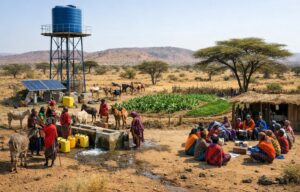
Some 57 water systems were rehabilitated, important in a dry lands, and Nawiri fostered 35 local “Water Use Associations” for ongoing improvements for tanks, pipes and water points. Crops were expanded with irrigation: sorghum, maize, watermelon, green grams, fodder. A 7 km canal was desilted.
“The primary pathway between water insecurity and malnutrition in the arid lands of Kenya is women’s time burden collecting water to meet the minimum drinking and hygiene needs of the household. Water collection is performed exclusively by women and girls and remains one of the pervasively gender inequitable elements of pastoral life. Nawiri aims to address the role of water system functionality through borehole rehabilitation.”
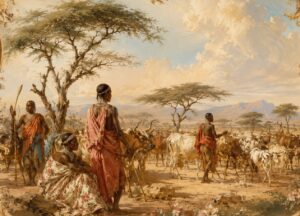
The project found that traditional pastoralist strategic mobility and social institutions (like sharing milk, food, and childcare) are the frontline of disaster response and foundational to community resilience. Nawiri helped establish retail shops (dukas) in remote areas to stock better varieties of nutritious foods, bringing vibrant markets to communities that previously had to travel up to 7 kilometers for basic goods. Nawiri promoted livestock health and livestock disease surveillance.
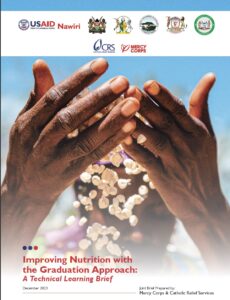
Applying the graduation model, some 500 households in 14 villages graduated with Village Enterprise assistance. In The Isiolo pilot (600 households) launched 204 businesses and 20 savings groups; Food Consumption Score rose from 51.3% to 83.8% in 3.5 months and children (6–23 mo) meeting minimum acceptable diet rose from 6.38% to 31.65%.
The Double-Edged Sword of Diversification: While livelihood diversification provides alternative income, it can act as a maladaptive coping mechanism if it forces women into labor-intensive, low-return activities,. The program observed that as women spent more time on business activities, time spent on childcare decreased, which in some zones led to reduced breastfeeding and higher acute malnutrition. While the drought pushed communities to diversify away from livestock, weak local economies meant many new businesses sold the same basic goods (like sugar and flour), fast-tracking local market saturation
Under CRS, 207 teenagers graduated the “Nawiri na Ujuzi” course (tailoring, masonry, plumbing, electrical, mechanics, driving), which was jointly funded by Nawiri and the County Government of Isiolo. CRS Deputy COP Margaret Kahiga notes all beneficiaries come from households with under-five children facing malnutrition. In a separate area, a randomized controlled tiral conducted with the Rural Entrepreneur Access Project (REAP) in Samburu revealed a limitation to these economic benefits: if market saturation crossed a certain tipping point (over 60% enrollment in a specific locality), the income impact for individual businesses could reduce over time as businesses competed against one another
Resilience was highly dependent on informal safety nets, asset ownership, and access to savings. The program emphasized layered, sequenced interventions (e.g., combining water with agriculture, nutrition education, and markets) and local ownership, leading to better resilience against shocks like drought. The partner county governments agreed to sustaining gains post-closeout, including asset handovers and policy integration. The NGOs also observed a chronic deficiency in prioritizing and budgeting of government resources for nutrition, and political leaders frequently lack awareness of the importance of multisectoral nutrition approaches.
Much of Nawiri intentionally focused on formative research and theory-of-change-analysis during the first two years. The Feinstein International Center at Tufts University managed a longitudinal study (bimonthly surveys) in four sentinel sites. Tufts found that few individual/household variables predict malnutrition, whereas basic structural drivers (pastoralism under pressure, climate variability, weakening customary institutions) dominate. Mercy Corps’ review of longitudinal data found that wasting malnutrition had persistently been above 15% for three decades, without improvement.
Notably, DOGE terminated the CRS program, despite positive progress and investments, because DOGE’s simplistic word search through the fun. ding agreement found politically-offensive words, like “gender”, and “climate.” Because Nawiri was terminated early, a full, independent endline evaluation of final impact may be incomplete.
June 14, 2026 Kenya continues to face severe hunger and malnutrition in its arid and semi‑arid lands (ASAL), where drought, high food prices, and weakened pastoralist livelihoods have pushed millions into crisis. According to the U.S. Famine Early Warning System (FEWS NET), 2.5–2.99 million people currently need food assistance, with needs possibly declining to 1.5–1.99 million by December 2026 if weather conditions improve.
However, more recent field data from Action Against Hunger (ACF) and partners show a sharper picture: 3.7 million people are in IPC Phase 3 (Crisis) or worse, including 400,000 in IPC Phase 4 (Emergency). This represents a dramatic increase (a 52% jump) compared to early 2025.).
Where the Crisis Is Most Severe
Northern and northeastern counties remain the hardest hit. Nutrition assessments in early 2026 classified:
» Mandera, Turkana South/East, and parts of Marsabit as Extremely Critical (IPC Acute Malnutrition Phase 5)
» Garissa, Wajir, Isiolo, and Samburu as Critical (Phase 4)
These counties account for about 62% of Kenya’s total malnutrition burden.
Recent data from UNICEF, the Ministry of Health, and the National Drought Management Authority (NDMA) estimate:
» 810,871 children under five need treatment for wasting (up from 760,488 in 2025)
» 116,800 pregnant and breastfeeding women also require treatment
Malnutrition Levels Remain Alarmingly High
SMART surveys and community screenings show persistently high wasting rates:
» Wajir: 14.95% GAM (2023)
» Baringo/Tiaty: 21% GAM
» Turkana (some areas): ~33% GAM in community screenings
» Turkana (2024 SMART): GAM declined from 26.4% to 21.8%—still above the 15% emergency threshold
In several northern counties—Mandera, Turkana South/East, and North Horr—analyses in late 2025 and early 2026 indicated Extremely Critical levels, meaning wasting rates of 30% or more. As your text states, “Northern areas such as Mandera, Turkana South/East, and North Horr reportedly reached Phase 5 ‘Extremely Critical’… corresponding to a rate of wasting malnutrition of 30% or more.”
A major warning sign is the collapse in mass screening coverage, which fell from 75% of hotspots in 2023 to under 15% by August 2025 due to funding shortages. This means many children with acute malnutrition are simply not being identified.
Drivers of the Crisis
The hunger emergency is fueled by overlapping shocks:
» Erratic rainfall and recurring drought
» High food prices
» Poor livestock‑to‑cereal terms of trade
»» Livestock deaths and reduced milk production
» Insecurity along the Kenya–Somalia border and in parts of Turkana
These factors have eroded pastoralist livelihoods and reduced household access to food.
Refugee Camps Under Severe Strain
Kenya hosts roughly 720,000 refugees in Dadaab, Kakuma, and Kalobeyei. Food rations have been cut to 28% of standard levels, worsening malnutrition among Somali and South Sudanese refugees. Funding gaps have also caused stockouts of ready‑to‑use supplementary foods (RUSF) and therapeutic foods in several hotspot counties.
Mixed Outlook for Late 2026
FEWS NET projects that food insecurity may ease by December 2026 if rainfall and harvests improve. But high prices and the upcoming lean season mean many households will remain in IPC Phase 3 (Crisis) or worse without continued support. National‑level improvements risk masking localized Phase 4–5 emergencies in remote ASAL counties and refugee settlements.
Humanitarian Response
Several NGOs continue to deliver life‑saving assistance:
» Action Against Hunger (ACF) operates across Samburu, Baringo, West Pokot, Isiolo, Tana River, Kwale, Mandera, and the refugee camps, often using UNICEF and WFP supply chains for last‑mile delivery.
International Rescue Committee (IRC) leads nutrition programs in Kakuma.
» Médecins Sans Frontières (MSF) supports health and nutrition services in Dadaab.
» World Vision, Humanity & Inclusion, Cordaid, and Kenya Red Cross work with county governments on community outreach, CMAM programs, and cash support.
These organizations coordinate through the Kenya Nutrition Cluster to address both immediate treatment needs and the underlying drivers of hunger.
May 8, 2026 In the mid 2000s, the Bangladesh Rural Advancement Committee (BRAC) pioneered a new approach for helping the very poor to grow out of poverty phase by phase, an approach called the “Graduation Approach.” Replicated since then by many NGOs, the period of implementation tends to be about two years for each family, and averages about $500 per household with researchers estimating $2-5 in benefits for each dollar spent.
One NGO championing this approach is Village Enterprise which combats hunger and builds resilience. In 2025, Village Enterprise reached over 316,000 people in rural Africa, bringing their cumulative total to more than 2.3 million lives affected, including over 1 million in Uganda alone.
Prior to her stepping down as CEO this year, Hunger Notes had interviewed Diane Calvi, who led the California-based nonprofit from 2010 to 2026, transforming it into a multi-country leader in evidence-based poverty graduation. From her interview:
“Village Enterprise is exclusively working with people living in extreme poverty in rural areas of Africa. We go into villages and introduce ourselves to the local community. All of the staff that implement the program are recruited from the local communities: they speak the local language, they understand the culture. And they introduce the program, which entails targeting the poorest of the poor.”
“I don’t even consider the Graduation Model we implement a livelihood model. I consider it a microentrepreneurship model. We’re really helping people become entrepreneurs for the first time — but not through a microfinance model. We’re doing that through a cash transfer, which gives the poor a lot of agency. It’s not like so many livelihood programs: here are some goats, here are some chickens. You’re giving them cash and saying: write a business plan, figure out how you’re going to run your business.”
“Because we provide the cash in the form of a grant rather than a loan, people aren’t so busy trying to pay back the loan. They’re able to invest in their families, they’re able to invest in the business. And so we see better impacts — both in terms of increasing income, savings, and nutrition….We’ve been rolling out a program called DreamSave, which is a digital bookkeeping application at the savings group level that runs on a smartphone. That’s been really well received and has had some positive impacts on the actual savings of the savings groups.”
“The cash transfer is provided to them on a mobile phone.”
“For every dollar you invest in the program, the participants generate … $5 in lifetime income. At baseline, the households were on average eating 1.7 meals a day. Five years later, on average, they were eating 2.5 meals. In terms of animal protein, they went from eating animal protein every other week to eating animal protein 1.3 times a week. So also pretty significant increases in protein consumption.”
“We need to have results-based funding frameworks. There need to be incentives for the achievement of results. The kind of receipt-based, activity-based funding is not incentivizing achievement. There really aren’t the incentives in place.”
“When I started with Village Enterprise in 2010, it was a very small organization with a $1 million budget and about 18 staff. And of the 18 staff, 8 of them were in Africa and 10 of them were in the U.S., it was mostly run through volunteers in the field. We have primarily been in the rural areas of Kenya and Uganda. We’re now about 530 staff people, and we’re working in Kenya, Uganda, Rwanda, and Ethiopia. We launched that project during one of the worst droughts in the history of East Africa. So it was really timely, the implementation of the project. And it has shown to be successful despite the challenges of working during a very severe drought — which I think is very encouraging.”
“We work both in northern Uganda outside the refugee settlements and in the refugee settlements. In the refugee settlement, yes, most of them are Sudanese refugees — 80 to 90% are from South Sudan.” [End of interview]
A notable evolution of the programming is to embed the graduation model within African government systems. Village Enterprise provided technical assistance to the Government of Kenya throughout the development of the country’s first Ultra-Poor Graduation Strategy, and began providing technical assistance to Nigeria’s Kaduna State Government (with Gates Foundation funding) to support 1,200 women and young people to launch small businesses. A £7 million project funded by the British High Commission — “Kuza Jamii II” benefits 90,000 people across five arid and semi-arid counties in Kenya and the Dadaab refugee settlements, running through March 2026.
More recently, Village Enterprise launched SPRINT (Scaling Poverty Reduction through Innovation and New Technologies), a digitally enhanced version of the graduation model using tools like Kolibri for training, WhatsApp for mentoring, and DreamSave to track savings, enabling product scaling officers to support 5 to 10 times more entrepreneurs than traditional business mentors. The goal is to reach 15,000 entrepreneurs by mid-2026, with potential rollout in Rwanda and Ethiopia.
Update: Replacing Ms. Calvi, Sazini Mojapelo was appointed as the new CEO, becoming Village Enterprise’s first Africa-based CEO, beginning February 17, 2026
Intergovernmental Authority on Development (Igad) says the rains have already failed and even if it rains now, farmers will not make any meaningful return from their farms because the planting season is already over.
The agency has warned that about 541,309 children under five in Kenya are at risk of malnutrition at the moment with the food shortage expected to get worse in the coming weeks.
World Hunger Education
Service
P.O. Box 29015
Washington, D.C. 20017
For the past 50 years, since its founding in 1976, the mission of World Hunger Education Service is to undertake programs, including Hunger Notes, that
Educate the general public and target groups about the extent and causes of hunger and malnutrition in the United States and the world
Advance comprehension which integrates ethical, religious, social, economic, political, and scientific perspectives on the world food problem
Facilitate communication and networking among those who are working for solutions
Promote individual and collective commitments to sustainable hunger solutions.



 The partner county governments agreed to sustaining gains post-closeout, including asset handovers and policy integration. The NGOs also observed
 more.”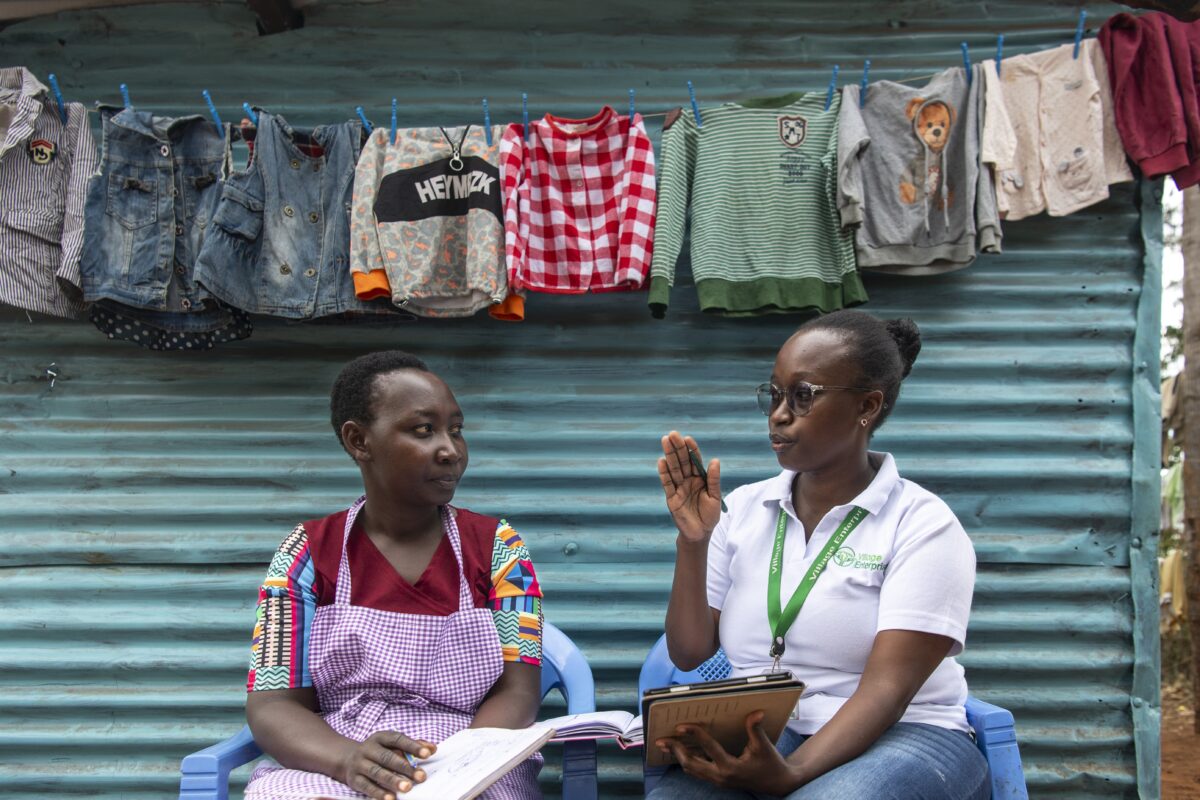

 they’re able to invest in the business. And so we see better impacts — both in terms of increasing income, savings, and nutrition….We’ve been rolling out a program called DreamSave, which is a digital bookkeeping application at the savings group level that runs on a smartphone. That’s been really well received and has had some positive impacts on the actual savings of the savings groups.”