



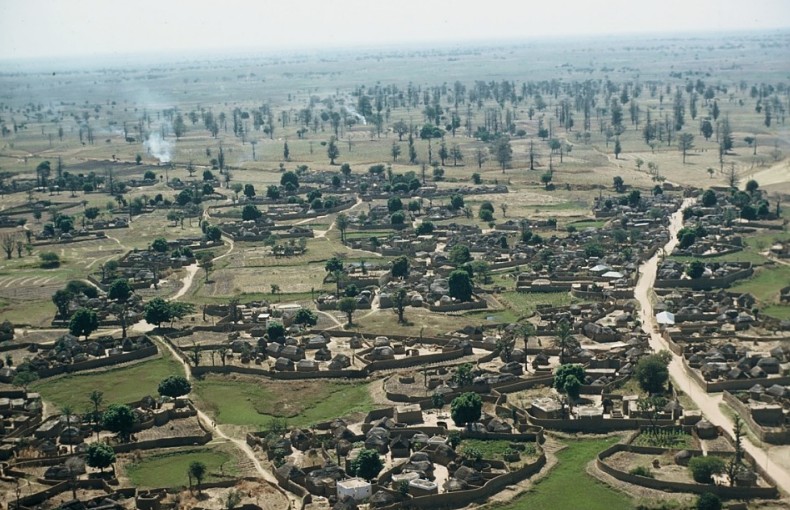
July 4, 2026 In Nigeria, some 35 million people are projected to experience acute and severe food insecurity during the 2026 lean season, according to the most recent Cadre Harmonisé, representing the worst levels of hunger recorded in a decade. The hunger crisis is worst in the country’s northeast, where an estimated 15,000 people in Borno State are at risk of catastrophic hunger.
In 2026, about 3 million children under five in Nigeria are projected to suffer from life-threatening severe acute malnutrition. One million of these children are in the cluster of northeastern BAY States. In addition to conflict and displacement, overcrowding, low maternal income and the use of infant formula are associated with a higher prevalence of wasting. Nigeria has experienced near 30‑year‑high inflation, driven by rising food prices, supply‑side constraints, and exchange‑rate depreciation. Food inflation has historically been the dominant driver of headline inflation. The Government of Nigeria eliminated fuel subsidies and tightened monetary policy; these reforms may improve long‑term economic growth but have raised short‑term living costs.
Recently, displacement and flooding have also fueled cholera and measles outbreaks, with damaged water and sanitation infrastructure and low immunization coverage accelerating transmission. In North and Central Nigeria, armed groups, rural bandits, and farmer-herder clashes have forced thousands of producers off their land, disrupting farming cycles and leaving large portions of farmland unused. Between 2022 and 2024, farmer-herder conflicts were recorded in 31 states, kidnappings in 10 states, and crop theft in 20 states. Over two million hectares of farmland in northern Nigeria are now inaccessible. 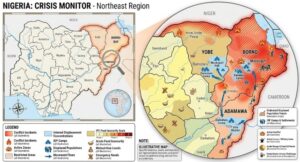
this NE region borders Lake Chad where violence has increased. UNHCR reports that more than 77,500 people have been displaced across the Lake Chad Basin since January 2026 as violence intensifies across Nigeria, Niger, Chad and Cameroon. According to UNHCR, incidents of violence rose by about 80 per cent between January 2024 and April 2026. Similarly, nearly 1,800 attacks and more than 5,700 deaths were recorded between September 2025 and May 2026 alone, reflecting what the agency described as a deepening protection crisis across the basin.
The “maize belt” (Borno, Niger, Plateau, Katsina, Gombe, Bauchi, Kogi, Kaduna, Oyo, Taraba), which produces ~44% of national maize, contains nearly half of that unused farmland. Between April 2024 and March 2025, Nigeria spent $2.39 billion on food imports, 11.6% higher than the previous year, despite government commitments to boost local production.
Nigeria’s population roughly doubled from ~95–97 million in 1990 to ~232–237 million by 2024–2025 (growth rate ~2.1–2.4% annually). The under-5 population surged similarly. Agriculture (now ~24–28% of GDP, down historically) has grown too slowly (~2–3% annually in recent periods) to match, leading to rising food imports, per-capita production shortfalls, and pressure on resources. Smallholder-dominated, rain-fed systems with high post-harvest losses cannot keep up. Nigeria’s child population is so large that even a stable or slightly declining malnutrition rate can mean millions of children affected.
Stunting remained alarmingly high, ranging from 7.2% (Osun, South West) to 61% (Kaduna, North Central), while wasting was as high as 29% (FCT Abuja, Central). Stunting (chronic malnutrition, measured as height-for-age) among children under 5 fell from around 42–45% in the early 2000s (e.g., ~43% in 2003 NDHS data) to roughly 37% in 2013–2018 surveys and around 31.5–32% in more recent UNICEF/WHO/World Bank Joint Child Malnutrition Estimates (JME). The overall prevalence of anemia and vitamin A deficiency ranged between 55.2 to 75.1 % and 5.3 to 67.6%, respectively.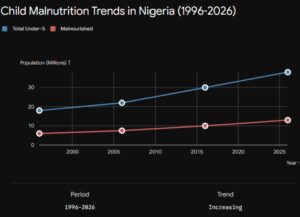
The World Bank estimated the number of impoverished Nigerians rose from 89.8 million at the start of 2023 to 104 million in roughly a year.
SOLUTIONS
The National Home-Grown School Feeding Program (NHGSFP) provides school meals. The National Social Safety Nets Program (NASSP) Cash Transfer gives cash to poor households. The Federal Government, with UNICEF and other partners, has committed $30 million to the Small Quantity Lipid-Based Nutrient Supplements (SQ-LNS) initiative, targeting 2 million children aged 6-23 months in high-burden states.
The U.N. Food and Agriculture Organization launched a $347 million Emergency and Resilience Plan (2026–2028). The strategy combines rapid agricultural assistance with long-term climate resilience, aiming to restore food production and reduce dependency on food aid for 12.6 million people across the north.
Médecins Sans Frontières (MSF) runs nutrition projects in seven states in Nigeria: Borno, Bauchi, Katsina, Kano, Sokoto, Zamfara, and Kebbi. IOM tracks displacement and manages humanitarian hubs; UNHCR co-leads protection and durable-solutions work; Intersos and Helen Keller Intl operate where others have withdrawn.
Other NGOs with long-standing programs in Nigeria include Action Against Hunger, Partners for Development, Malteser, Christian Blind Mission, Save the Children, Plan International, and Catholic Relief Services.
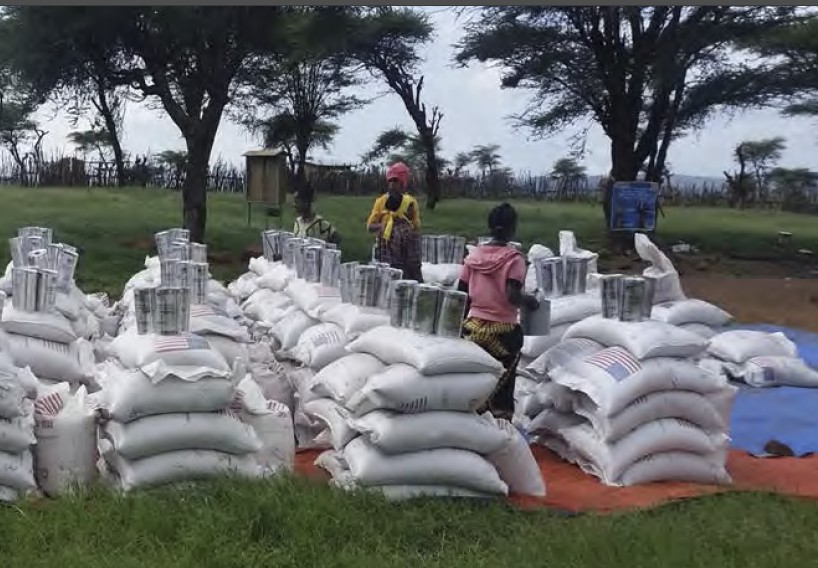
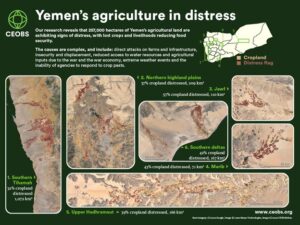
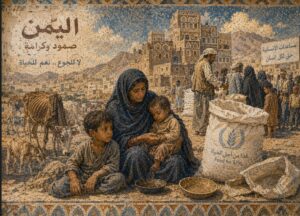 International is working with WFP in food aid in the south of Yemen. UNICEF coordinates much of the nutrition programming for children and mothers, and the U.N. Nutrition Cluster (led by UNICEF), which reports for 44 operational nutrition partners in Yemen.
 more.”
 remain siloed within organizational systems and responsibilities, weakening crisis response.
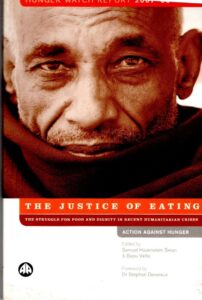 – the Struggle For Food and Dignity in Recent Humanitarian Crises” was a 2007-08 Hunger Watch Report by Action Against Hunger. It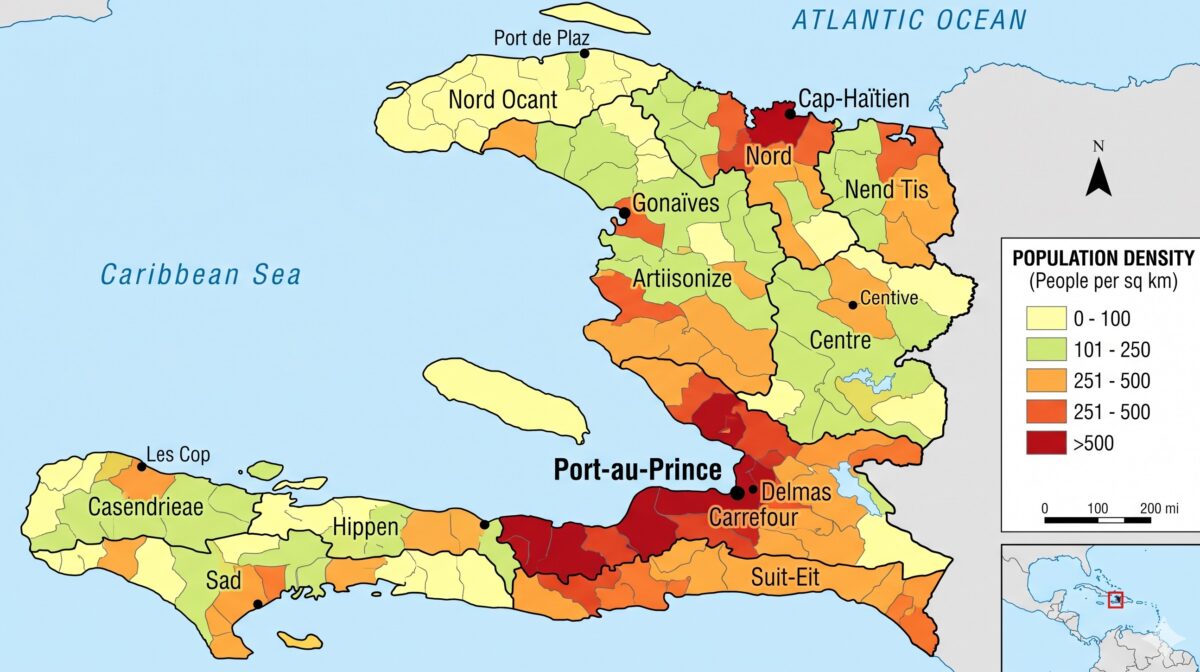
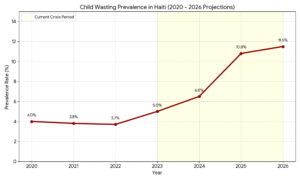
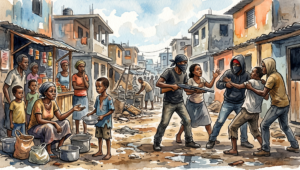 %, according to the technical coordinator at the
  people are displaced (double the number from just a year ago), overwhelming host communities. More than 5,600 people were killed in 2024 alone. Between October 2024 and June 2025, another 4,864 people were killed.
 responding include:
 5,000 Lebanese pounds due to rising fuel costs affecting oven operations and flour transportation.
