




Agriculture & Nutrition
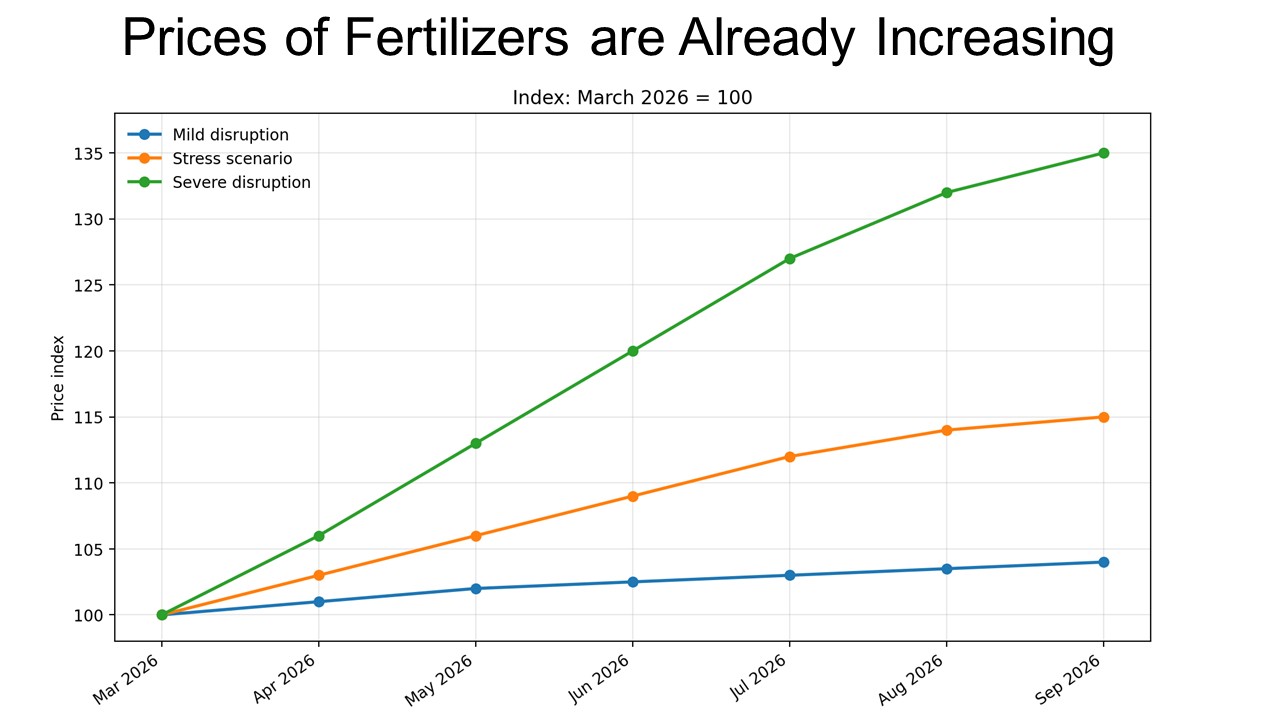
Fertilizer Prices and Hunger Increase from Middle East War
March 20, 2026 Malnutrition rates are likely to increase worldwide due to fertilizers becoming less available. The primary driver for significant increases in fertilizer prices is the disruption of nitrogen and phosphate production from the current war in the Middle East. The Middle East...
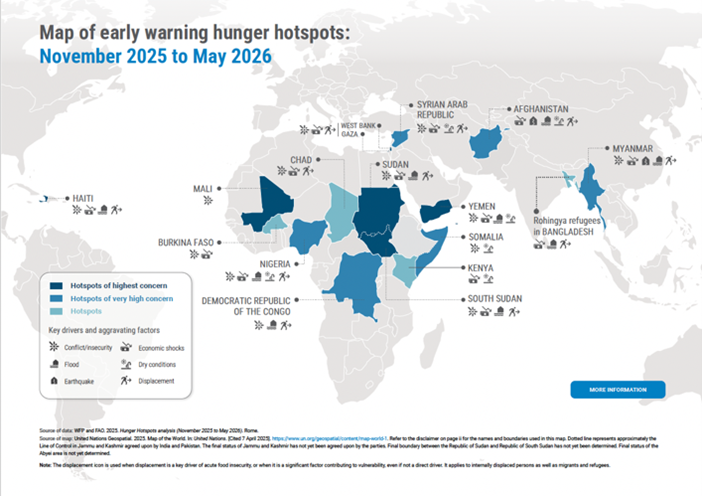
A Troubling Forecast: Early Warning Systems Signal Deepening Global Hunger in 2026
Real-time food insecurity forecasting is critical. Early warning systems identify emerging risks, such as conflict, climate shocks, and price spikes, months in advance, enabling humanitarian actors to mobilize resources and intervene before food insecurity escalates into widespread malnutrition or f...

The Regenerative Agriculture Solution – a Review
October 1, 2025 By Jim Phillips The Regenerative Agriculture Solution by Ronnie Cummins and Andre Leu makes a compelling case for regenerative agriculture as a pathway to improving food production, sequestering carbon, and restoring soil health. The book focuses heavily on the Agave mode...
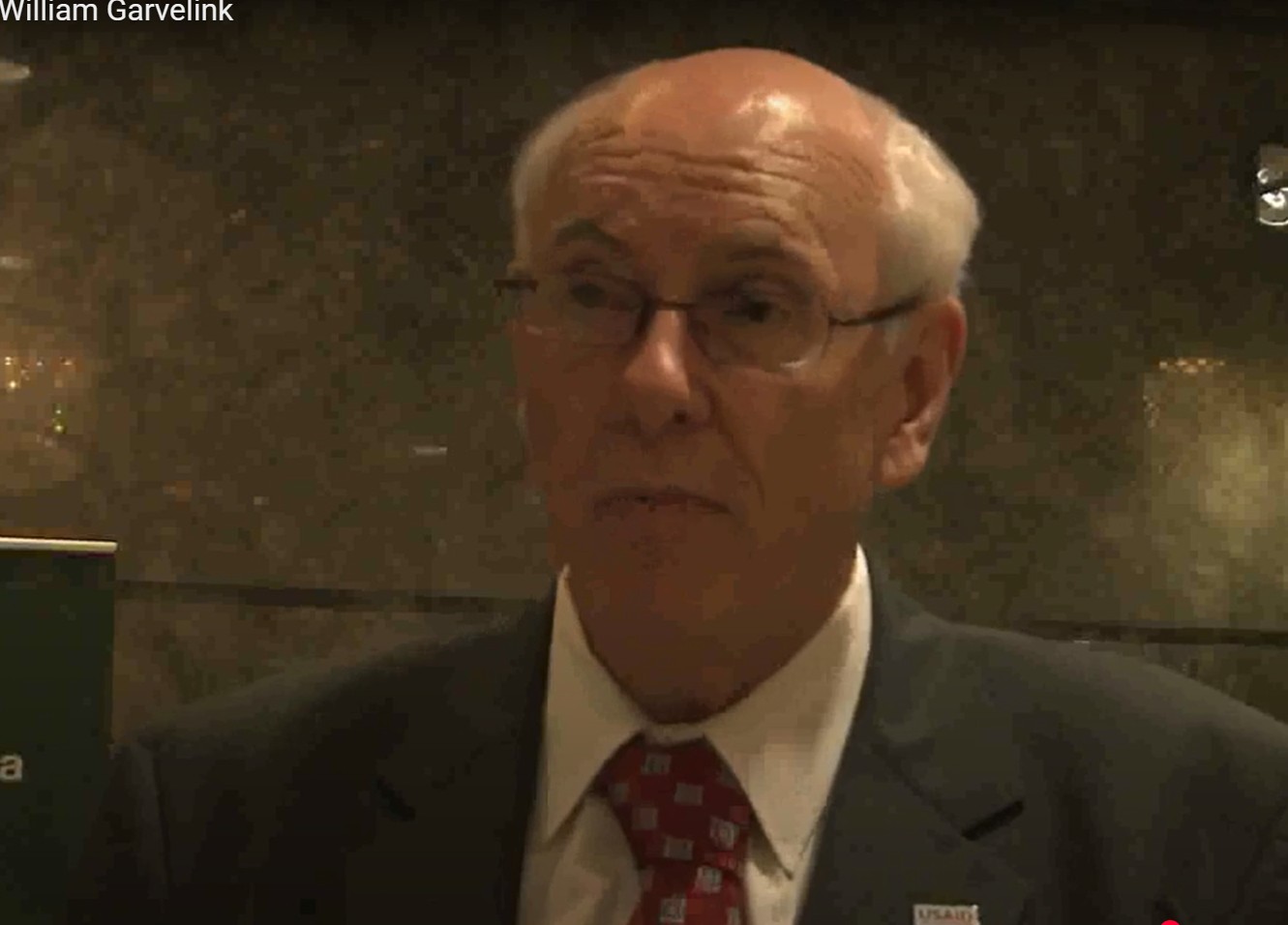
The Passing of William Garvelink, Food and Disaster Leader
September 10, 2025 William Garvelink, from Falls Church, Virginia, who led how US aid could go to persons displaced within their country’s borders, passed away this August 23 unexpectedly. Known to all as Bill, he studied Latin American history and dreamt of being a university professor ...

Book Review: How to Feed the World, by Vaclav Smil
Vaclav Smil has produced an increasing repertoire of books summarizing how humans consume different resources. Over four decades he has visited many topics including food availability and its constraints. His latest 2025 book, "How to Feed the World: The History and Future of Food" stands as h...

Social Marketing and Childhood Diets Implications of MAHA in the U.S.
A recent report by Dr. Claudia Parvanta, reviews the implications of the current U.S. Administration's May 2025 "Make America Healthy Again" (MAHA) report for children's diets and nutritional education in the U.S. Responding to a request from the Social Marketing Quarterly editorial team, the auth...

World Expo in Osaka Japan Targets Zero Hunger
An exhibit focusing on world hunger has been on display for the past two weeks, ending today, June 15, 2025, at the World Expo in Japan. World Expo 2025 Osaka Kansai is currently taking place in Japan under the theme “Designing Future Society for Our Lives”. The exhibition promotes agrifood sy...

Famine Early Warning System Restarted
Correction & Update: Hunger Notes reported on March 19 about the cancellation of the important, 40-year-old Famine Early Warning System program, created and funded by USAID. While true at the time, FEWS NET has been re-established. You can access it here. The May 2025 prediction report is a...

Questions to Ask about Aid from USAID
The US Government Agency that Brings Aid - USAID USAID, started in 1961 under President John F. Kennedy. Estimates are that some 3 billion people in 150 countries have benefited directly from U.S. food assistance . The Bureau for Humanitarian Assistance, a part of USAID, identifies food ...

Hunger Notes’ New Fact Sheet about Famine
WHES researched this new fact sheet about famine: https://www.worldhunger.org/famine-fact-sheet-dec-2024/...
-
 World Hunger Education
Service
P.O. Box 29015
Washington, D.C. 20017 -