




June 4, 2026 News Analysis by Rohma Akhtar
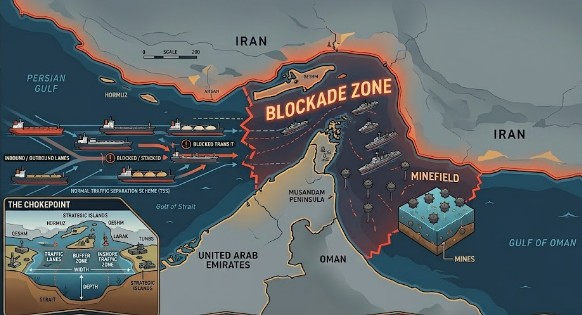
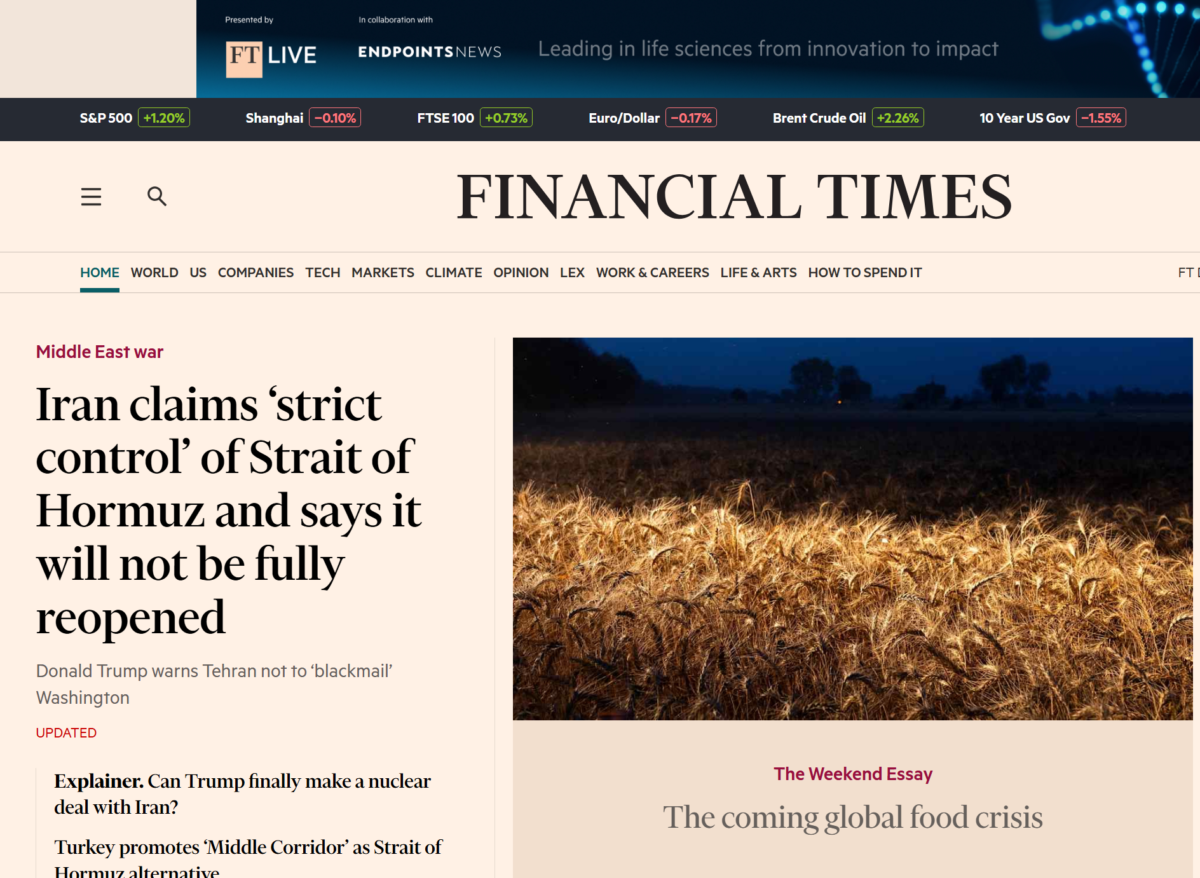
The Middle East war continues to disrupt ship traffic through the Strait of Hormuz affecting shipments of urea, sulfur and phosphates for fertilizer. As predicted, aid agencies are reporting increases in malnutrition as a result.
As reported here, in Hunger Notes in March, fertilizer prices increased by 6.5% in February. They increased yet another 26% in March. Because fertilizer is central to cereal and staple food production, these shocks are raising prices of basic foods and increase trade costs, with downstream effects on food security and nutrition in vulnerable low- and middle-income countries. Child wasting, a rapid, acute form of malnutrition characterized by severe weight loss, responds within months to food access shocks, unlike chronic stunting, which can take months to years.
India, Sudan, and Ethiopia are the countries most likely to experience the largest increase in child wasting following the fertilizer shock.
The fertilizer-to-wasting pathway does not operate in isolation from other conflict effects, as the closure of the Strait of Hormuz, which is driving up fertilizer and energy prices, is also disrupting broader maritime trade routes, especially impacting humanitarian aid.
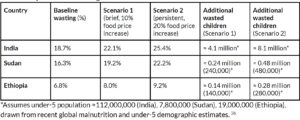 As humanitarian access is already constrained by insecurity and damaged infrastructure in Sudan and parts of Ethiopia, higher transport and logistics costs further limit agencies’ ability to pre-position food and therapeutic supplies at the scale needed.
Since fertilizer shocks take 6-12 months to fully translate into food price increases and yield losses, the impacts are likely to peak in late 2026 and early 2027.
Ministries of health, UN agencies, and donors should pre-position therapeutic supplies, expand nutritional surveillance, and front-load assistance now rather than waiting for confi rmed increases in the prevalence of acute malnutrition to trigger a response.
– Contributor Rohma Akhtar, is a student of George Washington University Milken School of Public Health
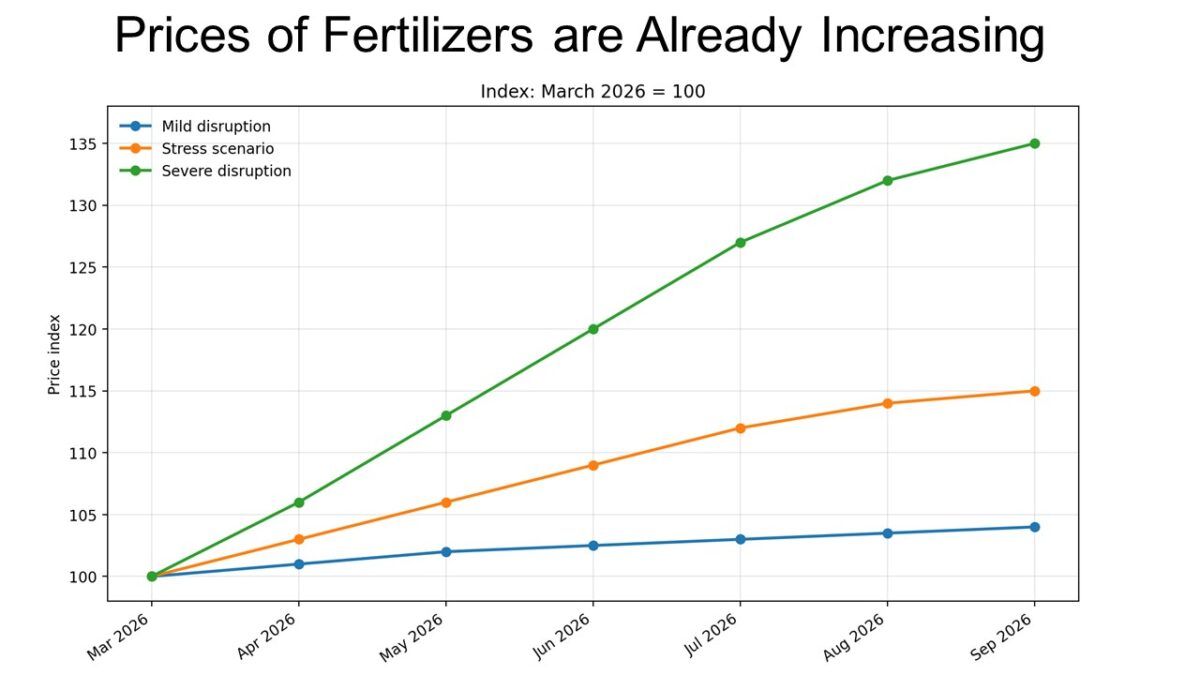

 dangerous for food insecure populations heading into late 2026. In other words, malnutrition is projected to increase after a lag time. Malnutrition will be widespread and diffuse, not localized to one area.