


Nutrition
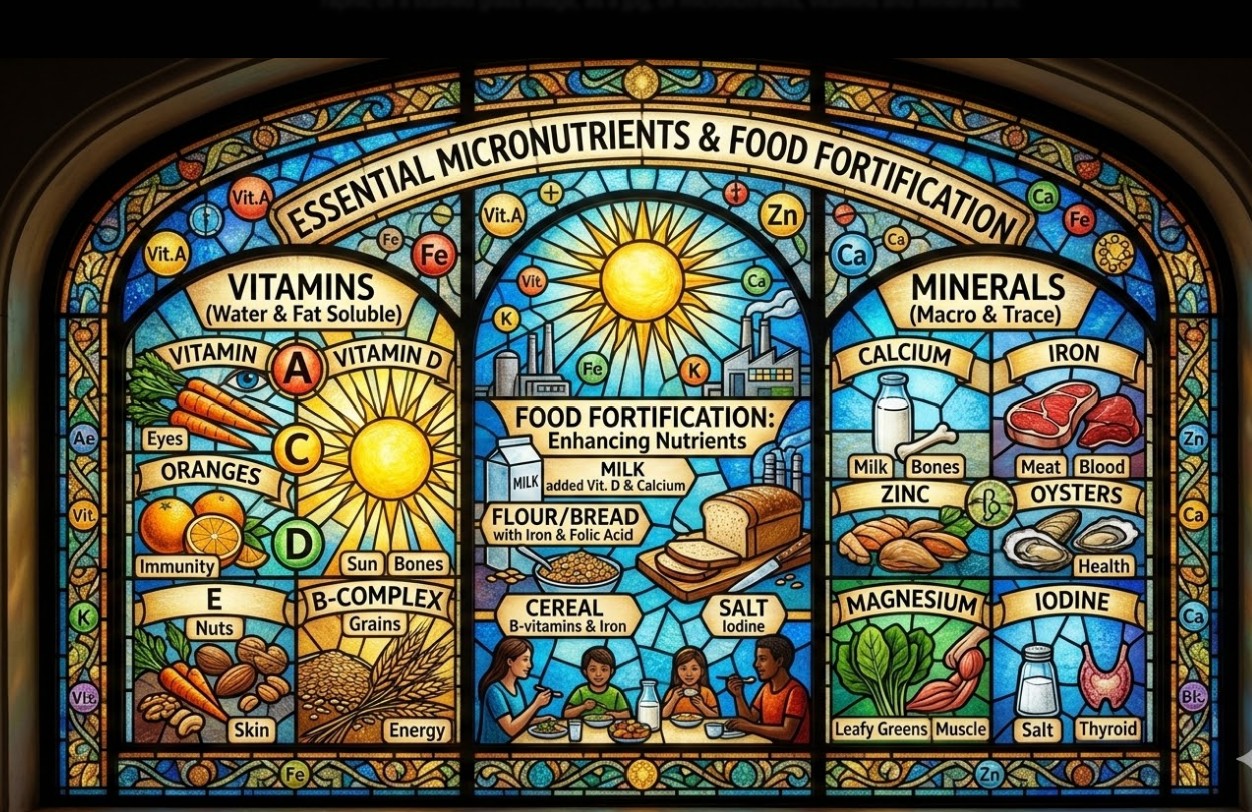
Food Fortification Efficiently Prevents Vitamin and Mineral Deficiency
March 5, 2026 A new analysis of food fortification programs finds that the fortification of consumer foods is cost-effective in the majority of contexts in reducing deficiency diseases of micronutrients (vitamins and minerals). The findings are available online, as published by Elise Cogo, ...

New Approach to Controlling Malnutrition in Somalia
Childhood malnutriiton can be addressed by their communities via an initiative in Somalia developed by the "Maternal, Infant, Young Child and Adolescent Nutrition (MIYCAN) working group and fostered by UNICEF and the federal department of health of Somalia in the Horn of Africa. As of early 2026, th...

“Essentials of Public Health Communication”: Valuable Curricula
February 22, 2026 A round the world, a key shift during the past few decades in combatting malnutrition has been the adoption of social marketing, communications and "behavior change" to improve diets, caretaker behavior, and recognition of failures in child growth. The technical book, "Ess...
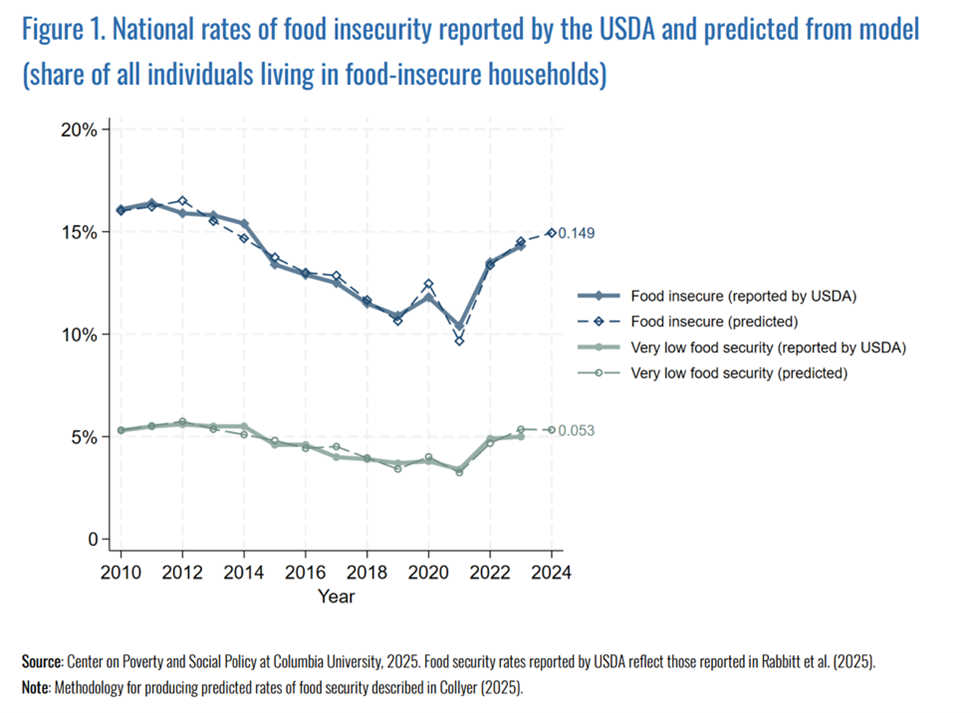
A Promising Model to Predict Rates of U.S. Food Insecurity
As covered in a September 20 Hunger Notes article, the USDA announced that they would no longer be collecting the annual data measuring household food insecurity and cancelling the Household Food Security Reports. This means that the 2024 report will be the last under the current format. However, ...

Key U.N. Updates Show Alarming Hunger Trends
December 2025 Recent UN annual reports and updates about global hunger highlight several important issues and trends as we move into 2026: WFP will prioritize feeding 110 million in 2026 despite larger need: Declines in global humanitarian funding are forcing WFP to prioritize food assistanc...

Articles about Malnutrition & Field Programs, “Field Exchange”
October 2025 The Emergency Nutrition Network (ENN), based out of Dublin, Ireland, has published groundbreaking, field-level technical research about attacking malnutrition for the last few decades in their free journal, "Field Exchange." The latest edition, Issue 76 (October 2025) showcases co...

The Use of Food as a Weapon: Reflections Working with Khmer Refugees
Field Experience on the Thai–Cambodian Border, 1979 The year was 1979. In October, I braved the streets of Bangkok, Thailand at five o’clock in the morning to get on a volunteer bus bound for the Thai–Cambodian border. Our destination was Sakeo, a newly established refugee camp sheltering 30...

Universal School Meal State Policies’ Effects on Food Security
The U.S. School Breakfast Program and National School Lunch Program are the largest child nutrition programs in America, providing nutritious meals to some 30 million children.1 The 2010 Healthy Hunger-Free Kids Act helped improve the nutritional quality of school breakfast and lunch meals, and re...

Promoting Diagonal Approach for Nutrition
In a new paper by the Center for Global Development (Asti Shafira, Javier Guzman and JM Keller), the problem of siloeing of international support for basic nutrition is critiqued, with recommendations to integrate nutrition in universal health coverage. The authors argue that nutrition is underprior...

Famine as Weapon of War — Lancet Commentary
The medical journal, the Lancet, on July 30 2025 ran an appeal against famine titled "The Famines in Gaza and Other Conflict Areas are a Moral Failure," writing: "Widespread starvation is deliberately used as a weapon of war, at a scale that we never thought possible.... Every child -- every per...
-
 World Hunger Education
Service
P.O. Box 29015
Washington, D.C. 20017 -