



Nutrition

Death from Malnutrition in the United States
Deaths among Americans caused by malnutrition and hunger have increased 600% according to the Washington Post and data from the Centers for Disease Control and Prevention, as reported by Andrew van Darn on Jan. 5, 2026, who finds that the increase is seen "across the board. Every state, every educat...

Key U.N. Updates Show Alarming Hunger Trends
Recent UN annual reports and updates about global hunger highlight several important issues and trends as we move into 2026: WFP will prioritize feeding 110 million in 2026 despite larger need: Declines in global humanitarian funding are forcing WFP...
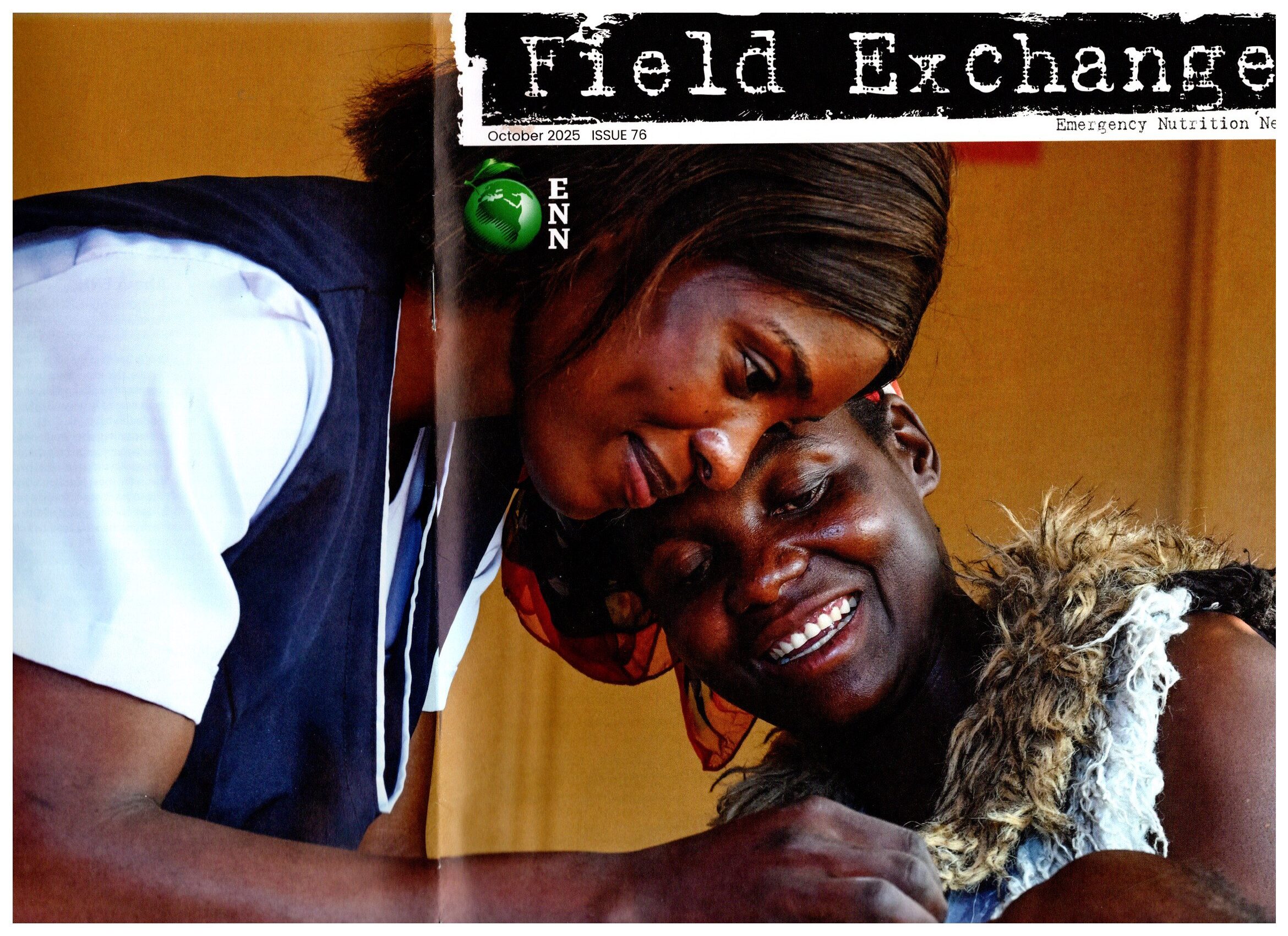
Articles about Malnutrition Field Programs, “Field Exchange”, October 2025
The Emergency Nutrition Exchange, based out of Dublin, Ireland, has published groundbreaking, field-level technical research about attacking malnutrition for the last few decades. The latest edition, Issue 76 (October 2025) showcases community-led, data-informed, and systems-focused approaches to ...

The Use of Food as a Weapon: Reflections Working with Khmer Refugees
Field Experience on the Thai–Cambodian Border, 1979 The year was 1979. In October, I braved the streets of Bangkok, Thailand at five o’clock in the morning to get on a volunteer bus bound for the Thai–Cambodian border. Our destination was Sakeo,...

Universal School Meal State Policies’ Effects on Food Security
The U.S. School Breakfast Program and National School Lunch Program are the largest child nutrition programs in America, providing nutritious meals to some 30 million children.1 The 2010 Healthy Hunger-Free Kids Act helped improve the nutritional quality of school breakfast and...

Promoting Diagonal Approach for Nutrition
In a new paper by the Center for Global Development (Asti Shafira, Javier Guzman and JM Keller), the problem of siloeing of international support for basic nutrition is critiqued, with recommendations to integrate nutrition in universal health coverage. The authors argue that nutrition is underpr...

Famine as Weapon of War — Lancet Commentary
The medical journal, the Lancet, on July 30 2025 ran an appeal against famine titled "The Famines in Gaza and Other Conflict Areas are a Moral Failure," writing: "Widespread starvation is deliberately used as a weapon of war, at a scale that we never thought possible.... Every child -- every per...

Book Review: How to Feed the World, by Vaclav Smil
Vaclav Smil has produced an increasing repertoire of books summarizing how humans consume different resources. Over four decades he has visited many topics including food availability and its constraints. His latest 2025 book, "How to Feed the World: T...

David Nabarro, Nutrition Leader, Passed Away
Sir David Nabarro, a distinguished British physician, international civil‑servant, and global health visionary, passed away at his home on July 25, 2...

Social Marketing and Childhood Diets Implications of MAHA in the U.S.
A recent report by Dr. Claudia Parvanta, reviews the implications of the current U.S. Administration's May 2025 "Make America Healthy Again" (MAHA) report for children's diets and nutritional education in the U.S. Responding to a request from the Social Marketing Quarterly editorial team, the auth...
-
 World Hunger Education
Service
P.O. Box 29015
Washington, D.C. 20017 -