
Africa

Nigeria’s Ongoing Nutrition Crises

by July 4, 2026

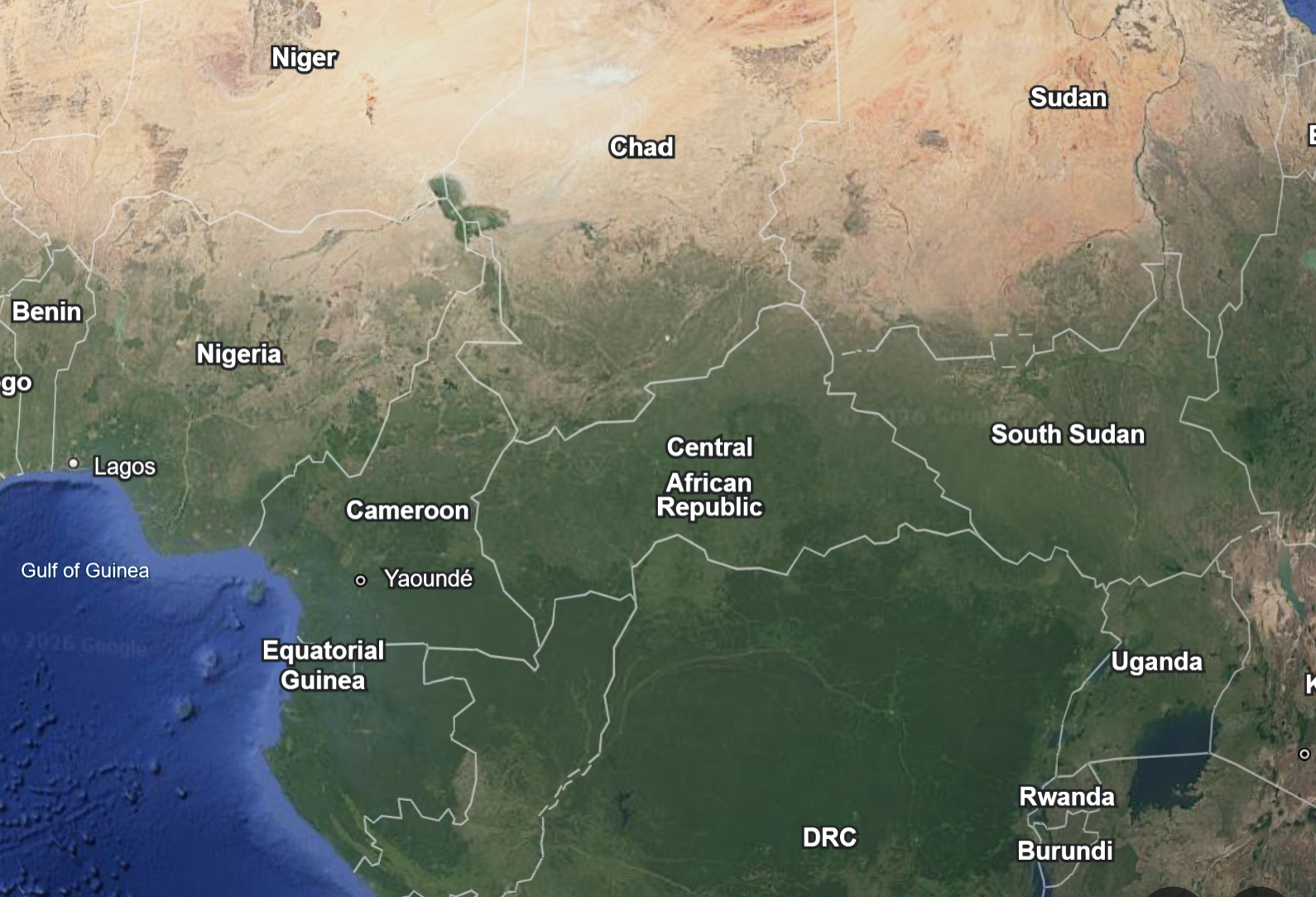
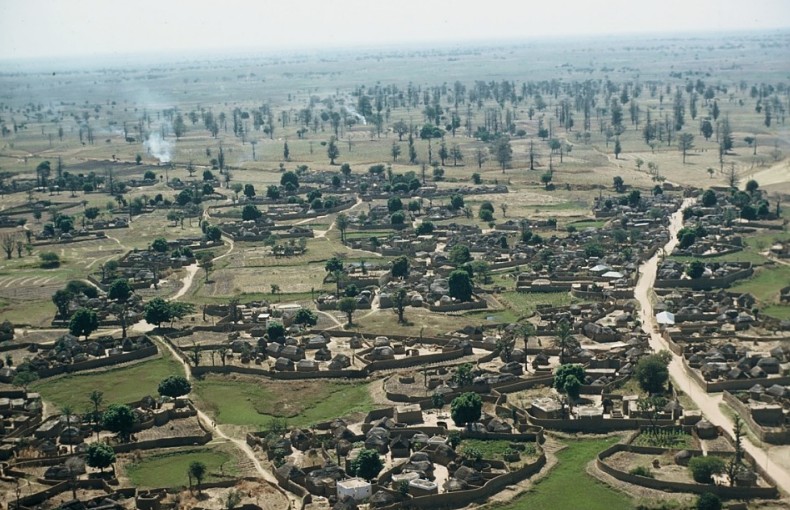
July 4, 2026    In Nigeria, some 35 million people are projected to experience acute and severe food insecurity during the 2026 lean season, according to the most recent Cadre Harmonisé, representing the worst levels of hunger recorded in a decade.  The hunger crisis is worst in the country's no...

Ethiopia’s Decades-Long Malnutrition Crises

by June 19, 2026

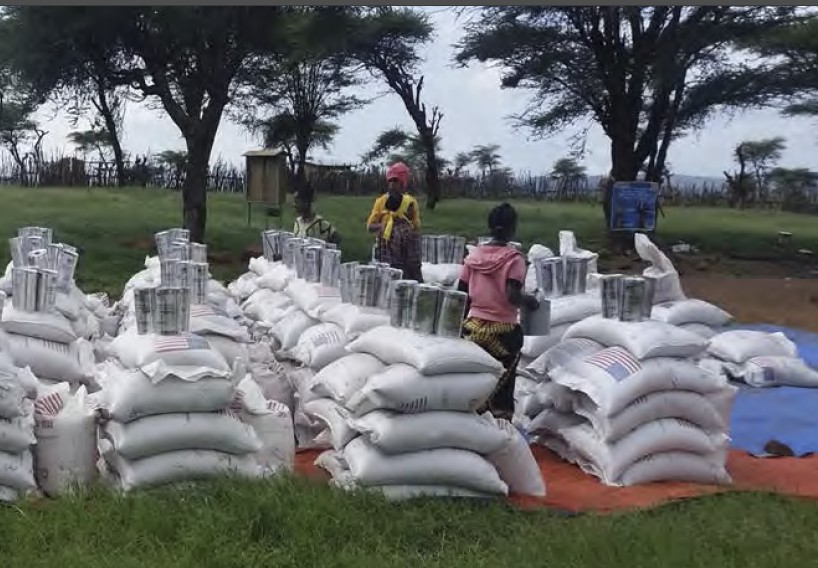
June 16,2026      In Ethiopia, Africa’s second-most populous country, roughly one in eight Ethiopians suffer food shortages in mid-2026 in many region-specific overlapping crises caused by fighting, drought, population displacements, refugees, sky-high prices, and sudden cuts in international a...

Ebola Control Lessons from Past Outbreaks

by June 18, 2026

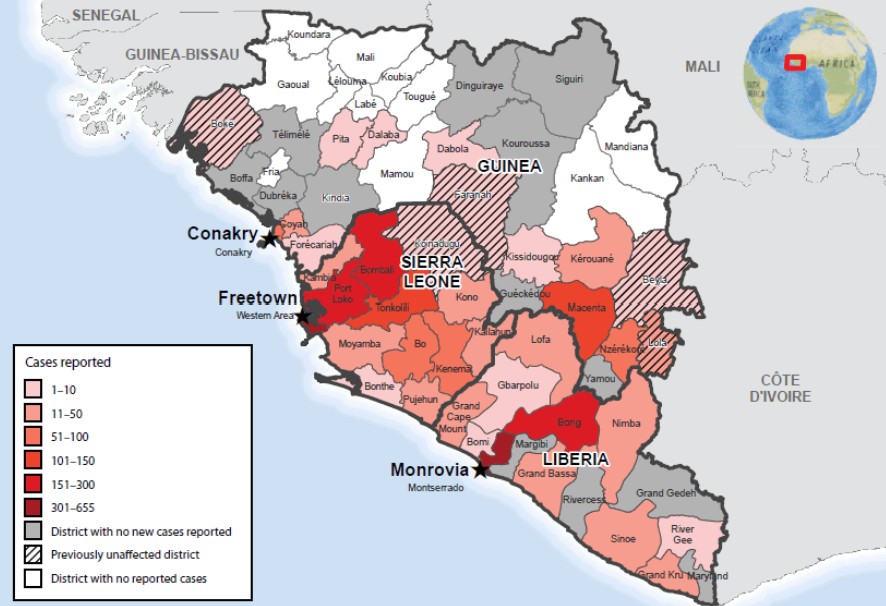
June 18, 2026    Food insecurity the Democratic Republic of Congo (DRC) has formed a vicious circle this year with the latest Ebola virus outbreak, now the 17th recorded and the largest to date in terms of people infected. The Adventist Development and Relief Agency (ADRA) is an example of an N...

Kenya’s Arid Lands Face Persistent Hunger Crisis Amid Mixed Projections for Late 2026

by June 14, 2026

June 14, 2026     Kenya continues to face severe hunger and malnutrition in its arid and semi‑arid lands (ASAL), where drought, high food prices, and weakened pastoralist livelihoods have pushed millions into crisis. According to the U.S. Famine Early Warning System (FEWS NET), 2.5–2....

In Memoriam: Mohamed Warsame Dualeh

by May 3, 2026

May 3, 2026         Dr. Mohamed Warsame Dualeh, a Somali physician, refugee-health leader, humanitarian official, and later diplomat, died on April 25, 2026 in Germany.  He is survived by his wife, Marie Therese Lenz, and children, Amalie, Issa, and Edna.  Among the positions he held during h...

Further Increases of Starvation in Darfur, Sudan

by April 12, 2026

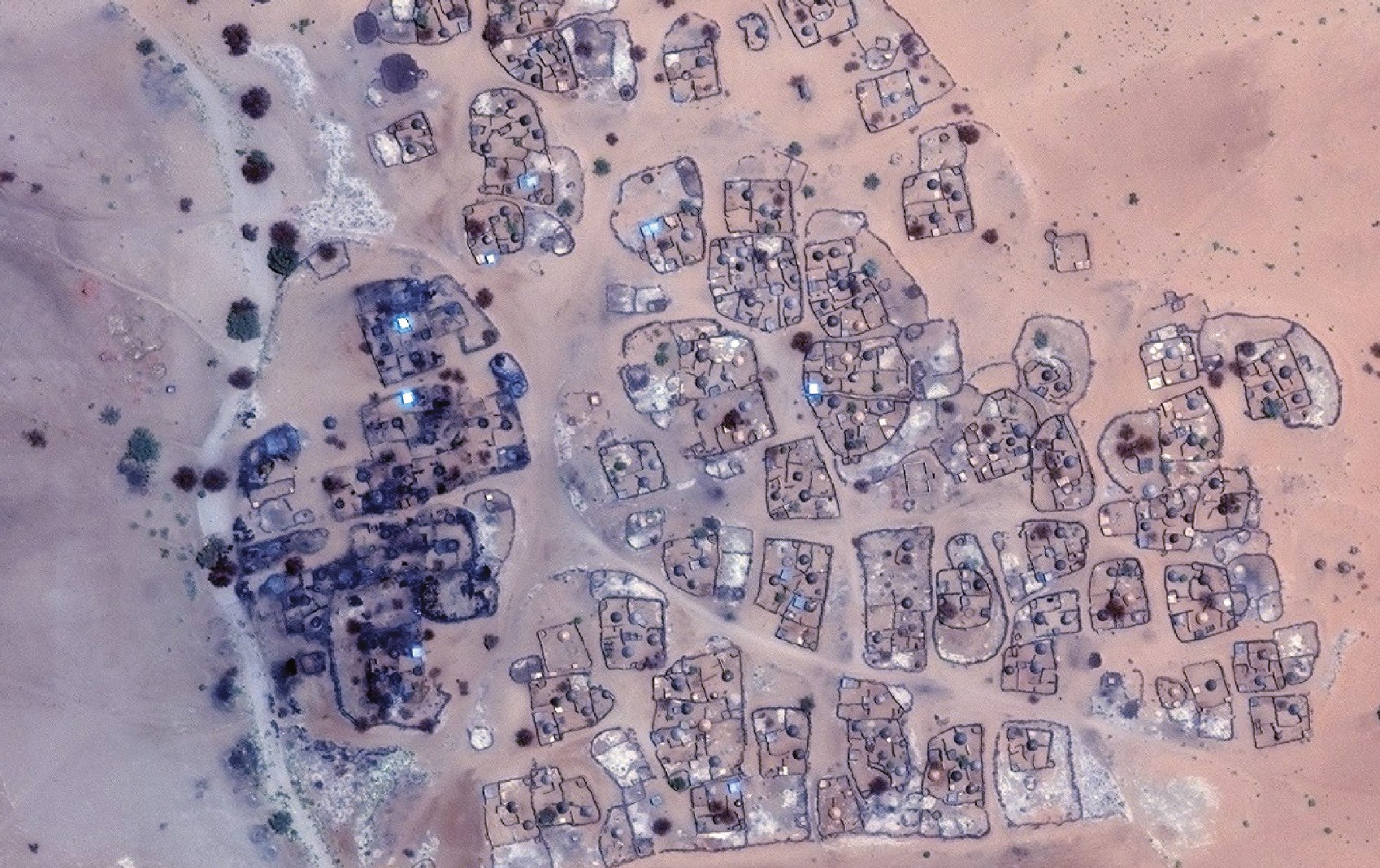
April 12, 2026 The arid, poor, western region of Sudan, called Darfur, has been a complex emergency for twenty-three years, with mass displacement and an increasing problem of starvation and malnutrition.  Aid to prevent starvation is prevented by the inability of aid agencies to reach those in ...

Low Height-for-Age Malnutrition Examined in the North of Rwanda

by https://journals.plos.org/plosone/article/file?type=printable&id=10.1371/journal.pone.0343772 February 27, 2026

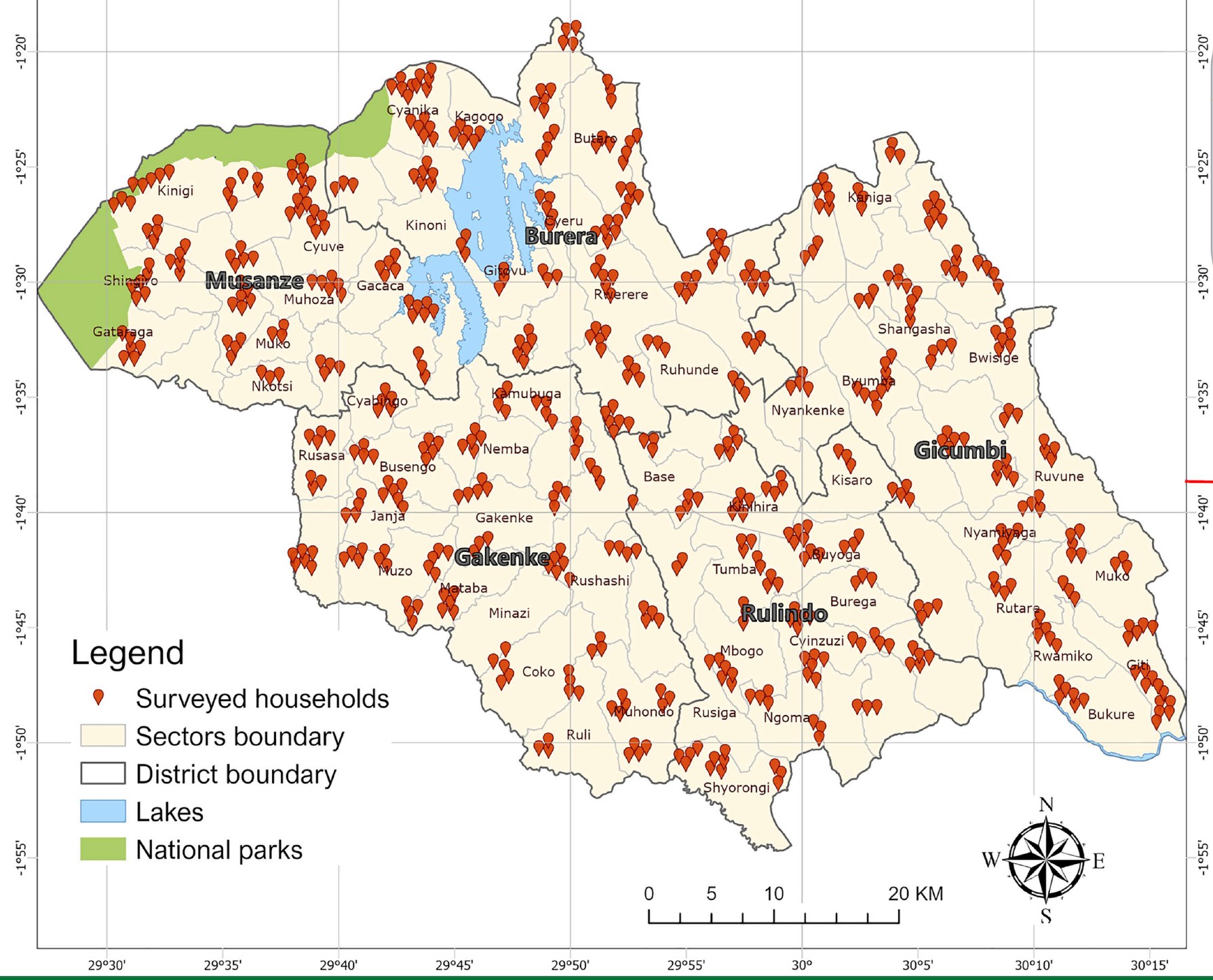
A study published this month, February 2026, about long-term malnutrition, measured by the degree of a child's stunting (low height for age) in Rwanda found that despite economic progress, low growth rates were found in 27% of children in northern areas. The authors note that "In addition to food...

Mali Faces Famine

by February 13, 2026

As of early 2026, Mali continues to face a deep nutritional crisis. While there has been long-term incremental progress in reducing chronic malnutrition (stunting), acute malnutrition (wasting) remains at emergency levels, particularly in the conflict...

New Approach to Controlling Malnutrition in Somalia

by February 12, 2026

Childhood malnutriiton can be addressed by their communities via an initiative in Somalia developed by the "Maternal, Infant, Young Child and Adolescent Nutrition (MIYCAN) working group and fostered by UNICEF and the federal department of health of Somalia in the Horn of Africa. ...

A Troubling Forecast: Early Warning Systems Signal Deepening Global Hunger in 2026

by Kathy Goss, WHES Board Trustee February 3, 2026

Real-time food insecurity forecasting is critical. Early warning systems identify emerging risks, such as conflict, climate shocks, and price spikes, months in advance, enabling humanitarian actors to mobilize resources and intervene before food insecurity escalates into widespread malnutrition or f...

  • World Hunger Education
    Service
    P.O. Box 29015
    Washington, D.C. 20017
  • For the past 50 years, since its founding in 1976, the mission of World Hunger Education Service is to undertake programs, including Hunger Notes, that
    • Educate the general public and target groups about the extent and causes of hunger and malnutrition in the United States and the world
    • Advance comprehension which integrates ethical, religious, social, economic, political, and scientific perspectives on the world food problem
    • Facilitate communication and networking among those who are working for solutions
    • Promote individual and collective commitments to sustainable hunger solutions.