



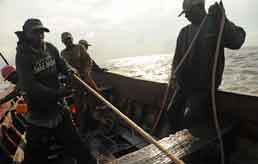
Scientists are predicting more than 10 percent of the world’s population, a whopping 845 million people, will experience deficiencies in critically important micronutrients including zinc, iron, vitamin A, vitamin B12, and fatty-acids in the coming decades if global fish catches continue to decline.
Author: WHES
House and Senate pass Global Food Security Act

The House and Senate passed the Global Food Security Act, with the House vote on July 6. The vote was 359 in favor, 53 against, with 11 not voting. See how your congressperson voted here.
The bill directs the President to establish a comprehensive strategy for the U.S. government to fight hunger and malnutrition, promote nutrition among pregnant women and newborns, and prioritize women smallholder farmers. It would also make permanent Feed the Future, the U.S. food and nutrition security program. See a more extensive summary of the bill here.
The bill now goes to the President, who is expected to sign it.
Bread for the World was one of the grass-roots organizations that strongly supported the bill.
North Dakota voters side with family farms and continue 84-year-old ban on corporate ownership

North Dakota voters have rejected a measure that would have permitted corporations to own and to operate dairy and pork farms of up to 640 acres. 75.7 percent of voters were opposed. North Dakota is one of only nine states that prohibit or limit corporate farming.
107 Nobel laureates sign letter blasting Greenpeace over GMOs; Greenpeace replies
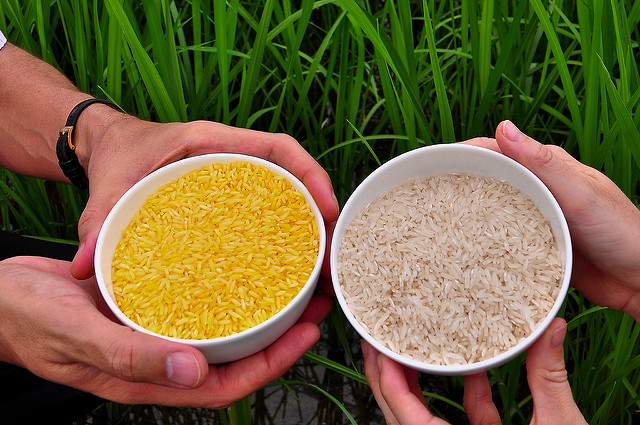
Controversy centers in part on a genetically engineered strain of rice that supporters say could reduce Vitamin-A deficiencies causing blindness and death in children in the developing world.
Venezuelans are storming supermarkets and attacking trucks as food supplies dwindle

CARACAS, Venezuela — In the darkness the warehouse looks like any other, a metal-roofed hangar next to a clattering overpass, with homeless people sleeping nearby in the shadows. But inside, workers quietly unload black plastic crates filled with merchandise
Biofortification pioneers win 2016 World Food Prize for fight against malnutrition

Drs. Maria Andrade, Robert Mwanga, Jan Low and Howarth Bouis were announced as the 2016 World Food Prize Laureates during a June 28 ceremony at the U.S. State Department.
Three of the 2016 laureates — Dr. Maria Andrade, Dr. Robert Mwanga and Dr. Jan Low of the International Potato Center (CIP), which has had sweetpotato in its research mandate since 1988 — are being honored for their work developing the single most successful example of biofortification — the orange-fleshed sweet potato (OFSP). Dr. Andrade and Dr. Mwanga, plant scientists in Mozambique and Uganda, bred the Vitamin A-enriched OFSP using genetic material from CIP and other sources, while Dr. Low structured the nutrition studies and programs that convinced almost two million households in 10 separate African countries to plant, purchase and consume this nutritionally fortified food.
Dr. Howarth Bouis, the founder of HarvestPlus at the International Food Policy Research Institute (IFPRI), over a 25-year period pioneered the implementation of a multi-institutional approach to fortification as a global plant breeding strategy. As a result of his leadership, crops such as iron and zinc fortified beans, rice, wheat and pearl millet, along with Vitamin A-enriched cassava, maize and OFSP are being tested or released in over 40 countries.
Thanks to the combined efforts of the four Laureates, over 10 million persons are now positively impacted by biofortified crops, with a potential of several hundred million more in the coming decades.
USAID Administrator Gayle Smith gave keynote remarks and applauded the selection.
“These four extraordinary World Food Prize Laureates have proven that science matters, and that when matched with dedication, it can change people’s lives,” said Administrator Gayle Smith. “USAID and our Feed the Future partners are proud to join with renowned research organizations to support critical advances in global food security and nutrition.”
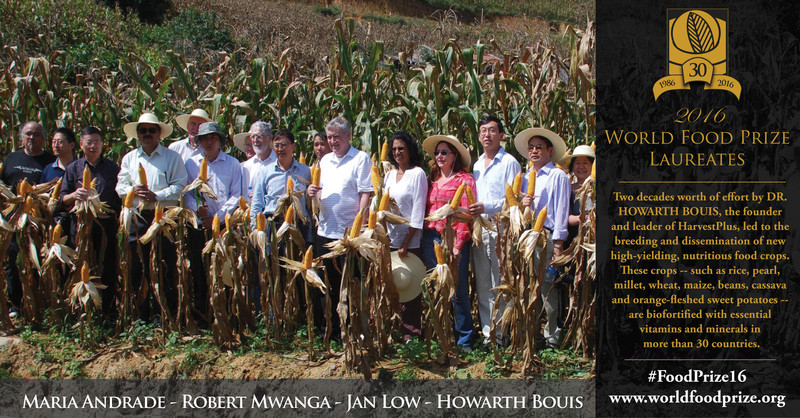
The World Food Prize is the most prominent global award for individuals whose breakthrough achievements alleviate hunger and promote global food security. This year’s $250,000 prize will be divided equally between the four recipients. The prize rewards their work in countering world hunger and malnutrition through biofortification, the process of breeding critical vitamins and micronutrients into staple crops.
Drought migrants flee to India’s cities

After fleeing drought in Andhra Pradesh State, Manikamma’s tiny shack in India’s capital, New Delhi, is now periodically swamped with fetid water when heavy rains flood the shantytown she now calls home.
The global farmland grab in 2016: how big, how bad?
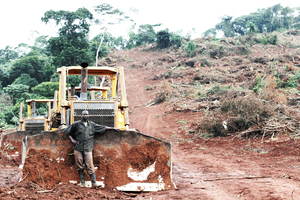
Eight years after releasing its first report on land grabbing, which put the issue on the international agenda, GRAIN publishes a new dataset documenting nearly 500 cases of land grabbing around the world.
Hunger’s devastating effect on our seniors

A couple years ago, I visited a soup kitchen where one of my drivers delivers a lot of produce. Sandy, the kitchen manager, told me how much the fresh produce meant to them and to the neighbors they serve. It’s within walking distance of low-income senior housing and a lot of older folks stop in each day. Sandy said Fridays are particularly heartbreaking, when she’ll see elderly ladies wrapping up parts of a sandwich or a biscuit into a napkin to take home for the weekend. She’ll try to slip them a little something extra, because she knows they’ll be very hungry by Monday’s lunch.
Those who deliver for Society of St. Andrew have lots of stories like this. I’ve heard stories of people crying when they were given a bag of sweet potatoes. A driver with some very over-ripe strawberries apologized for delivering berries so close to going bad. The woman called her the next day and said she just used them as syrup on her pancakes and they were still delicious! One driver with some extra corn stopped to check on an older couple from the church and found that the husband, who did all of the driving for the household, had cancer and couldn’t drive, leaving the two of them unable to get into town for food.
Today, I talked with a social worker who works with three low-income senior housing complexes. I had connected her with a small farmers market and she let me know that last week, even after days of rainy, cold weather, she filled her car with lettuce and cabbage and other fresh vegetables. The bags of Swiss chard that were a mystery to her, thrilled two of the women beyond belief – said they hadn’t had chard in years and loved it. Another lady held a head of Bibb lettuce to her nose like a bouquet and said it was her late husband’s favorite green.
In the Charlotte, North Carolina area, an estimated 25% of seniors are food insecure. According to a 2014 Feeding America report, food “insecure seniors are 53 percent more likely to report a heart attack, 52 percent more likely to develop asthma, and 40 percent more likely to report an experience of congestive heart failure. In addition, food insecure seniors are 22 percent more likely to experience limitations in their Activities of Daily Living (ADLs), which are those fundamental activities, such as eating, dressing, and bathing, that individuals typically can perform independently. These high rates probably reflect, in part, the challenges these seniors face in accessing enough food.” It’s no wonder then that the same report states hungry seniors are 60% more likely to suffer from depression.
The report goes on to say, “The distribution of food by the charitable food assistance network offers critical nutritional support to individuals in need. Increased distribution of nutrient- rich foods would ensure that food insecure seniors receive more access to nutrients vital to their health.” That’s Society of St. Andrew! We work hard to get food deep into our communities. It’s heartbreaking to think that our parents and grandparents might not have enough to eat, or enough food of decent quality for them to live healthy and fulfilling lives.
This summer, as the crops start rolling in, please join us in the fields! Every pair of hands can help save and distribute much-needed food to those in our community who need and deserve it!
Jean Blish Siers is the Society of Saint Andrew’s Charlotte Area Gleaning Coordinator. This article first appeared on the Society’s website.
Launch of 2016 Global Nutrition Report
Few challenges facing the global community today match the scale of malnutrition, a condition that directly affects one in three people. The 2016 Global Nutrition Report is a comprehensive stocktake of the state of the world’s nutrition, from child stunting to adult obesity. The report finds that, despite some progress in recent years, the world is off track to reach global nutrition targets. It presents the latest findings on what is being done to improve nutrition worldwide and country by country, the status of funding, where the knowledge and resource gaps lie, and how to make commitments that will end malnutrition in all its forms by 2030. Most importantly, the 2016 report asks leaders to make a political choice: the choice to end malnutrition.
