
Ask an Expert
Video: Global Hunger Basics
Fight hunger with knowledge. In this short video, World Hunger Education Service’s Steve Hansch explains global hunger, discusses a few causes, and tells you how to get involved in humanitarian work.




Fight hunger with knowledge. In this short video, World Hunger Education Service’s Steve Hansch explains global hunger, discusses a few causes, and tells you how to get involved in humanitarian work.

Hunger is not having enough nutritious food. To end global hunger, nutritious food needs to be affordable and available to everyone. Learn about the meaning, causes, and solutions to global hunger.
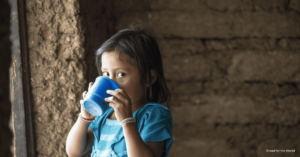
Adequate nutrition in the first 1000 days of a child’s life is vital for proper brain development. Malnutrition can have long-term impacts on a child’s life, including their ability to learn in school and grow properly.

Are you ready to challenge your understanding and make a real impact? Each completed quiz doesn’t just boost your awareness—it also translates into tangible aid for those in need. As you uncover surprising truths about global hunger, Hunger Notes will make a donation to organizations responding to hunger.

Dive deeper into the issue of global hunger with curated resources from our trusted partners. Discover the dedicated organizations joining forces to eradicate hunger worldwide.
Read the latest news and analysis about global hunger below.
WASHINGTON — A proposal by the Obama administration to overhaul the international food aid program has set off a jurisdictional fight among members of several House and Senate committees, threatening to derail the most significant change to the program since it was created nearly 60 years ago....
LA PAZ, Bolivia — President Evo Morales said Wednesday he is expelling the U.S. Agency for International Development from Bolivia for allegedly seeking to undermine his leftist government, and complained about the U.S. secretary of state calling the Western Hemisphere the “back yard” of Washin...
Studies out of Ethiopia, India, Kenya and Niger show that children born during natural hazards, like droughts or floods, are more likely to be malnourished. Yet as the climate changes, it is poor countries - already struggling with hunger and food insecurity - that are increasingly likely to face th...

For more than 57 years, the United States has given food, through what is known as the Food for Peace Program, to hundreds of millions of people who were starving and malnourished. This program has used safe and nutritious US produced food to help famine victims, malnourished children and their moth...
ASUNCIÓN, Paraguay — Walk into the headquarters of the central bank of Paraguay, a sprawling seven-story structure surrounded by flowering silk floss trees, and the message is clear: officials proudly display charts showing a dizzying economic boom, with growth reaching 13 percent this year, maki...

Studies out of Ethiopia, India, Kenya and Niger show that children born during natural hazards, like droughts or floods, are more likely to be malnourished. Yet as the climate changes, it is poor countries - already struggling with hunger and food insecurity - that are increasingly likely to face th...
After a decade of foreign wars, who’d have thought Washington would now be fighting over something called “Food for Peace”? Yet almost half the House Republicans voted against funding the Eisenhower-era icon in the previous Congress. And Wednesday found Rajiv Shah — the bright young star at ...

EL JATATAL, Bolivia, Mar 25 2013 (IPS) - “We can’t take any more abuse,” Carmelo Tayo, the head of this small Tsimané indigenous village, says sadly. The community has lived for decades on land in Bolivia’s Amazon jungle that outsiders are now trying to gain control of....
Attacks on aid workers in Afghanistan - the world’s most dangerous country for aid workers - are likely to be as high in 2013 as the worst year on record, 2011, according to a new report from the Afghanistan NGO Safety Office (ANSO) published today....
The President's budget, tabled on Wednesday 10 April, ends years of US reliance for food aid on its agriculture surpluses. However, NGOs have been asking for removing the requirement to buy most of the emergency food aid in the US and transporting it on US vehicles to reduce costs and save time....
 World Hunger Education