



Parliamentarians who formed a fact-finding commission to investigate the fraud have said upwards of 2 million tons, or 40 percent of the locally procured crop, may be missing.
Author: WHES
The wealthy have nearly healed from recession. The poor haven’t even started.
The Great Recession and the subsequent recovery from it have deepened the wedge between the very wealthy and everyone else in America, plunging the poor deeper into debt and wiping out two-fifths of the wealth held by families in the heart of the middle class. The wealthiest Americans, meanwhile, appear close to regaining all their losses over the same period, according to a new analysis released Thursday by the Congressional Budget Office.
South Sudan: Girls wash foraged wild greens in a river’s unsafe waters
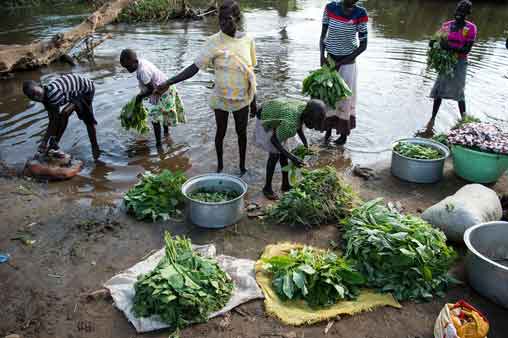
South Sudan, 2016: Girls wash foraged wild greens in a river’s unsafe waters, in the Torit region in Eastern Equatoria State, where late rains and insecurity in the region have led to failed crops and severe food insecurity, especially for the poorest. An estimated 2.8 million people in the country, or a quarter of the population, are facing acute food and nutrition insecurity as a result of prolonged conflict, a worsening economic crisis and diminished household food stocks. Photo: © UNICEF/UN25843/Everet
This is a photo (August 8, 2016) from UNICEF’s Photo of the Week.
Can we feed 10 billion people on organic farming alone?
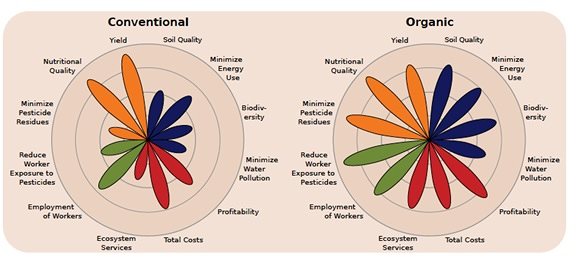
In a time of increasing population growth, climate change and environmental degradation, we need agricultural systems that come with a more balanced portfolio of sustainability benefits. Organic farming is one of the healthiest and strongest sectors in agriculture today and will continue to grow and play a larger part in feeding the world. It produces adequate yields and better unites human health, environment and socioeconomic objectives than conventional farming.
https://www.theguardian.com/sustainable-business/2016/aug/14/organic-farming-agriculture-world-hunger
The millions of Americans Donald Trump and Hillary Clinton barely mention: the poor

The United States, the wealthiest nation on Earth, also abides the deepest poverty of any developed nation, but you would not know it by listening to Hillary Clinton or Donald J. Trump.
As November approaches, courts deal a series of blows to voter ID laws

All summer long, the clock has been ticking on voting rights cases. And the past two weeks, in particular, have been eventful: Five courts in five states ruled against voter ID and proof-of-citizenship laws.
An oil boom made Luanda, Angola the most expensive city in the world. Now it’s in crisis.

A bag of rice can now cost five times what it did a year ago. The country has not purchased a single dose of malaria medication since last year. In the first three months of 2016, Angola had roughly 1.3 million cases of the disease. At least 3,000 people have died, according to the World Health Organization.
Iowa farmers ripped out prairie; now some hope it can save them

There’s a wild presence in Tim Smith’s corn and soybean field that most farmers kill on sight. He stopped at the edge of a Midwestern prairie, a thicket of tall flowers and grasses more frightening to farmers than any horror movie madman lurking in a barn with a chain saw.
America wastes $160 billion in food every year but is too busy to stop

The good news? At least half of us know it’s a problem.
After 20 years, TANF provides little to poor families

Twenty years after Temporary Assistance for Needy Families’ (TANF) inception, few poor families actually receive cash assistance under it and, for those who do, state benefit levels are low and are losing value. Our new series of maps illustrates the decline of this cash assistance safety net.
