Less Foreign Aid, More Climate Risk-The Massive Costs of Gutting USAID

by Alice Hill and Lindsey Doyle
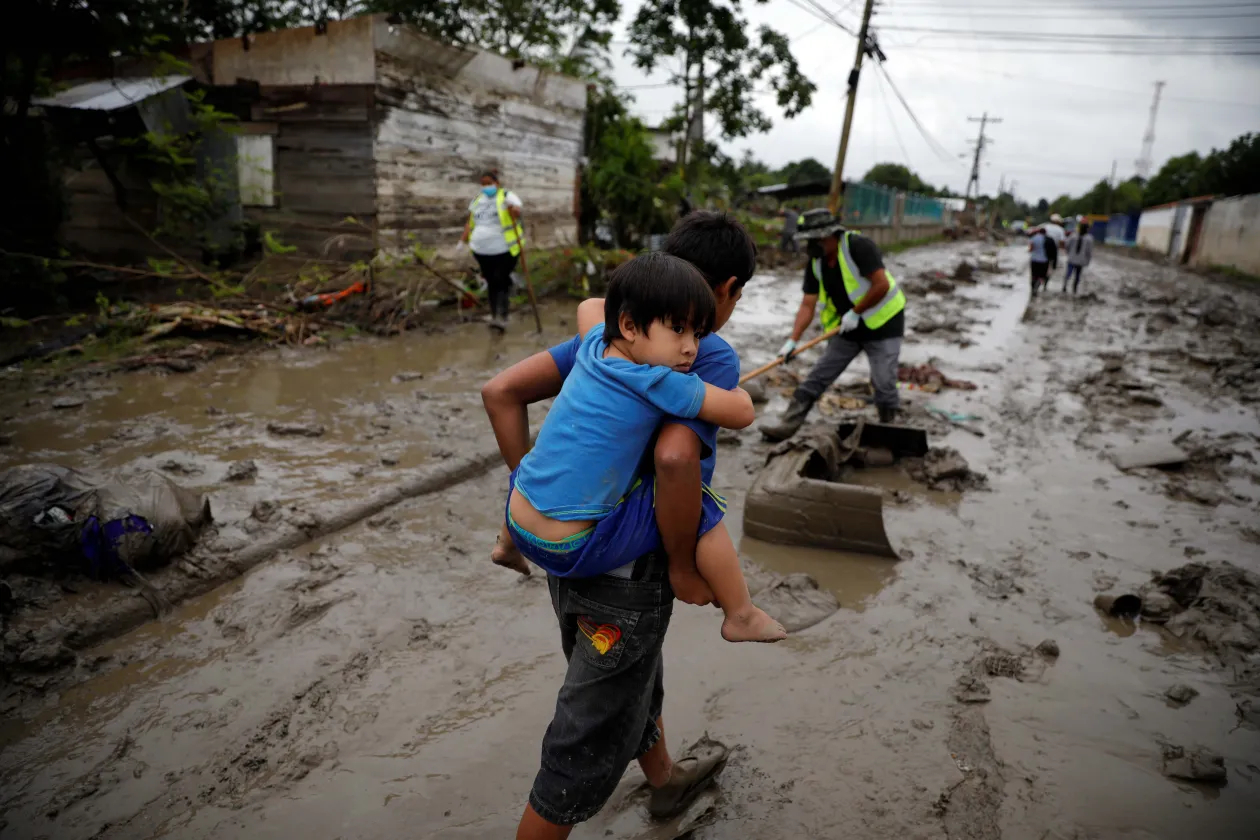
Image: After Hurricanes Eta and Iota in La Lima, Honduras, December 2020, Jose Cabezas / Reuters

This article explains how the long-term climate-related effects of cutting USAID are real in terms of actual dollar costs to countries, as well as other impacts, such as increased irregular migration, climate risks, endangered supply chains, humanitarian spending, and more.

  • World Hunger Education
    Service
    P.O. Box 29015
    Washington, D.C. 20017
  • For the past 50 years, since its founding in 1976, the mission of World Hunger Education Service is to undertake programs, including Hunger Notes, that
    • Educate the general public and target groups about the extent and causes of hunger and malnutrition in the United States and the world
    • Advance comprehension which integrates ethical, religious, social, economic, political, and scientific perspectives on the world food problem
    • Facilitate communication and networking among those who are working for solutions
    • Promote individual and collective commitments to sustainable hunger solutions.