



“Syria: Alienation and Violence, Impact of the Syria Crisis Report” produced by the Syrian Centre for Policy Research (SCPR) with the support of UNDP and UNRWA, reveals the extent of dramatic setbacks in human and economic development as Syria has been ravaged by war. After four years of armed-conflict, economic disintegration and social fragmentation, the human geography of Syria has been transformed as the population was hollowed by 15 per cent. Almost four million Syrians have fled as refugees, and another one-and-a-half million migrated to find work elsewhere, while over six million Syrians (roughly 40 per cent of the population) have been internally displaced within the country. UNRWA estimates over 50 per cent of the Palestine refugee population has been internally displaced at least once.
Author: WHES
Alienation and violence: Impact of Syria crisis report 2014
“Syria: Alienation and Violence, Impact of the Syria Crisis Report” produced by the Syrian Centre for Policy Research (SCPR) with the support of UNDP and UNRWA, reveals the extent of dramatic setbacks in human and economic development as Syria has been ravaged by war. After four years of armed-conflict, economic disintegration and social fragmentation, the human geography of Syria has been transformed as the population was hollowed by 15 per cent. Almost four million Syrians have fled as refugees, and another one-and-a-half million migrated to find work elsewhere, while over six million Syrians (roughly 40 per cent of the population) have been internally displaced within the country. UNRWA estimates over 50 per cent of the Palestine refugee population has been internally displaced at least once.
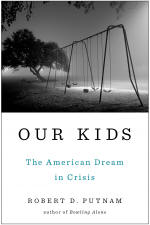
Our Kids: The American Dream in Crisis
See Report
The terrible loneliness of growing up poor in Robert Putnam’s America. “Life is not something you do, it’s something you endure.”
SWARTHMORE, Pa. — Robert Putnam wants a show of hands of everyone in the room with a parent who graduated from college. In a packed Swarthmore College auditorium where the students have spilled onto the floor next to their backpacks, about 200 arms rise.
What refugees really think of aid agencies
Aid agencies are partial, unaccountable and potentially corrupt, and they fail to meet refugees’ most pressing needs.
UN: World eating too much sugar; cut to 5-10 percent of diet
See Report
Is Syria conflict a case study for climate change and hunger-related conflict?
Climate change contributed to the severity of a record-setting drought that led to agricultural collapse in Syria’s breadbasket region, pushing rural residents into crowded cities where the 2011 uprising against President Bashar Assad began, according to a study published this week in the journal Proceedings of the National Academy of Sciences.
Is Syria conflict a case study for climate change and hunger-related conflict?
Science just served up a double coupon for the argumentative: A new study suggests that climate change is driving a Middle East conflict that brought the Islamic State to prominence.
Mandating food insecurity: The global impacts of rising biofuel mandates and targets
Expanding demand for biofuels, fed significantly by government policies mandating rising levels of consumption in transportation fuel, has been strongly implicated in food price increases and food price volatility most recently seen in 2008 and 2011-2012. First-generation biofuels, made from agricultural crops, divert food directly to fuel markets and divert land, water and other food-producing resources from their current or potential uses for production of feed for animals and food for human consumption.
Boko Haram violence displaces 1.2 million Nigerians

The DTM report said 1,188,018 internally displaced persons (IDPs) were in Borno, Adamawa, Yobe, Bauchi, Gombe and Taraba states. A further 47,276 are sheltering further south in Plateau, Nasarawa, Kano, Kaduna, and the federal capital, Abuja. According to the report, 92 percent of the IDPs have been made homeless by the jihadist insurgency – the majority of them fled in 2014, a reflection of Boko Haram’s strategy of seizing towns and villages.
