




Low Height-for-Age Malnutrition Examined in the North of Rwanda
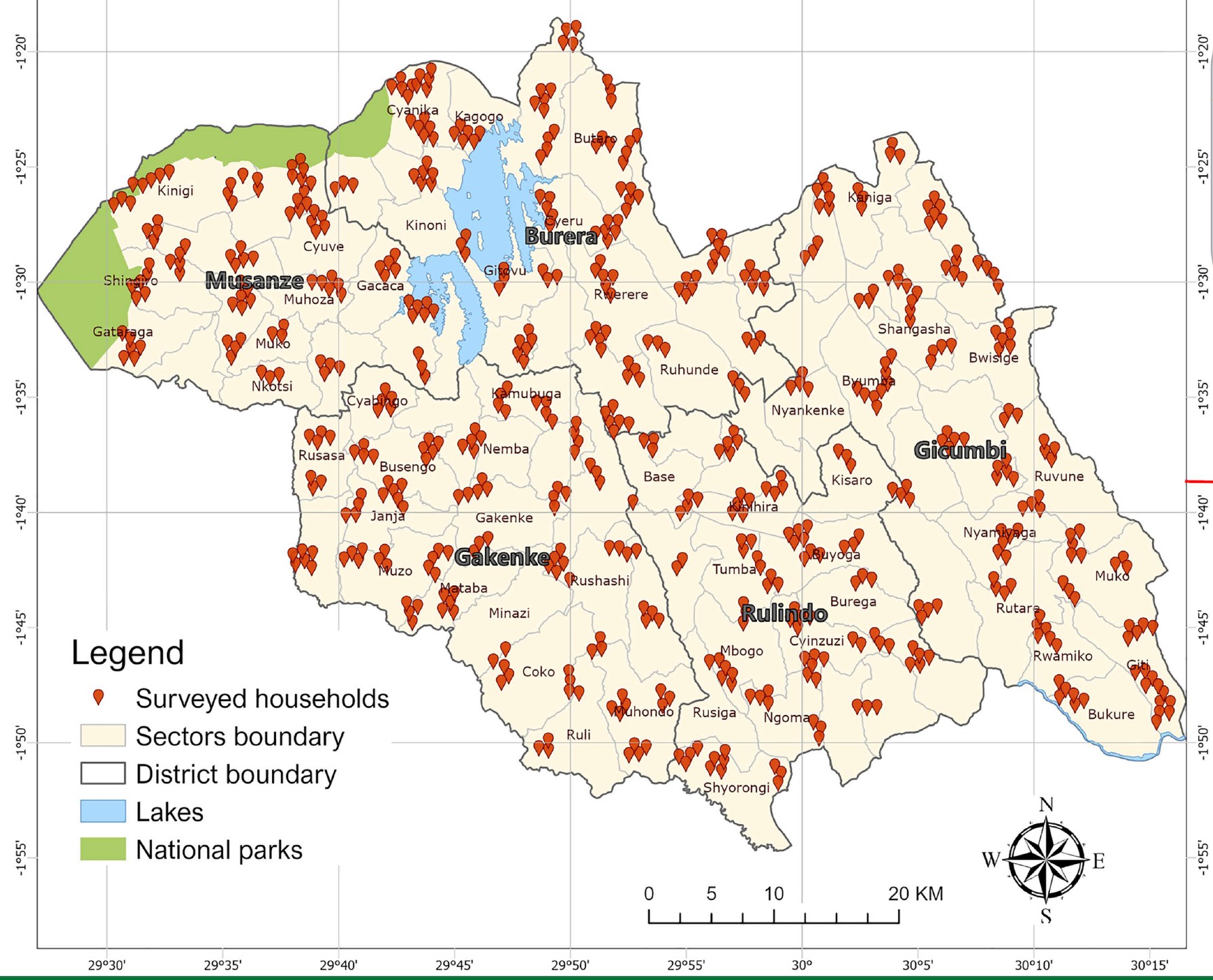
A study published this month, February 2026, about long-term malnutrition, measured by the degree of a child’s stunting (low height for age) in Rwanda found that despite economic progress, low growth rates were found in 27% of children in northern areas.
The authors note that “In addition to food deficit linked to poverty, stunting is associated with factors like inadequate diets, poor sanitation and hygiene, inadequate maternal and childcare practices, polluted water sources, limited healthcare access, low maternal education, and limited socio-economic opportunities.”
The authors set out to evaluate the how well geographically-weighted logistic regression (GWLR) enhances the understanding of spatially varying risk factors for malnutrition.
the authors found that key interventions such as vitamin A tablets or deworming medicine were, unexpectedly, associated with greater stunting. Maternal autonomy was preventive of stunting. “At the household and community level, the presence of a handwashing facility near the toilet and household electricity access were consistently associated with lower odds of stunting.”
The authors demonstrate that the patterns and causes of malnutrition and hunger vary within countries for a range of reasons, including livelihoods, terrain and local customs. Therefore, “localised interventions should be prioritized to address specific needs identified in geographically distinct clusters, optimizing resource allocation and intervention effectiveness.”
Another review of this is found at: https://www.devdiscourse.com/article/science-environment/3817025-why-children-in-northern-rwanda-are-still-stunted-despite-green-fields
-
 World Hunger Education
Service
P.O. Box 29015
Washington, D.C. 20017 -