 |
 |
|
|
| DEPARTMENTS | |||

|
|||

|
|||

|
|||

|
|||

|
|||

|
|||

|
|||
| YOU CAN!... | |||
|
|||

|
|||
|
|||
|
|||
| MORE ABOUT HUNGER NOTES |
|||
 |
|||

|
|||

|
|||
|
|||
|
|||
|


|
Nutrition, Health and Population |
|

Source: Food and Agriculture Organization of the United Nations, Statistics Database
Nutrition, Health and Population Links
There are a number of key health issues for developing countries, especially in Africa. They include malnutrition, HIV/AIDS, malaria, tuberculosis and avian flu. This page provides current developments on these issues as well as background.
Nutrition See also Hunger Notes special report on the food and hunger crisis
Vitamin A program deficiency highlights primary care needs Paula Smith-Vanderslice Hunger Notes November 26, 2010 See full report
World hunger dips, but not by much IRIN News September 14, 2010
HIV infection, leading to AIDS, is a major world problem, especially in Africa. In addressing the problem of HIV infection, there have been major concerns.
The first major concern is that African people and governments have been unable to afford the level of care available in the United States and other developed countries, where (expensive) anti-retroviral therapy has not cured HIV/AIDS, but has permitted substantially longer life for those infected. In the last several years this has been partially addressed by two major developments. First is a significant increase in developed country assistance. The second is the (partial) resolution of international property rights disputes over anti-retroviral (ARV) drugs, which has permitted a substantial reduction in the cost of ARV drugs supplied in developing countries.
The second major concern is the persistence of behavior patterns that permit HIV infection. The three principal ways of HIV infection are by sexual contact, though blood transmission (by drug users sharing the same needle, and by medical procedures, especially blood transfusion, not adopting proper safeguards) and by mother to child transmission. Sexual contact is the major means of HIV infection, with mother to child transmission a consequence of sexual contact. HIV testing will alert HIV-positive people that they are HIV positive, and ideally they will take measures to protect their sexual partners against infection, and to not have children or to take measures to reduce the possibility of HIV infection in the newborn.
Global prevalence of HIV 2009
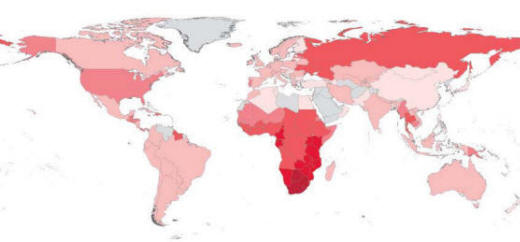
Grey: No data or <.1% .Light pink: 1% – <.5% .Darker Pink 5% – <1% Darkest pink/very light red: 1% – <5% Red: 5% – <15% >Darkest red15% – 28%
Source: UN AIDS Report 2010 Ch. 2 Epidemic http://www.unaids.org/documents/20101123_GlobalReport_Chap2_em.pdf
UNAIDS reports progress against HIV: New infections have fallen and more people have access to treatment, although two-thirds of those infected still lack access to treatment Thomas H. Maugh II Los Angeles Times November 23, 2010 See full report
Other diseases and health concerns

Rene Le Berre helped prevent many people from contracting the vicious but largely preventable condition, which mainly affects the poor. Photo: World Bank
Rene Le Berre, 78: Entomologist saved millions of Africans from river blindness Emma Brown Washington Post December 15, 2010 River blindness in Nigeria: photo essay IRIN October 8, 2010 See river blindness Wikipedia and Carter Center More nutrition, health and population stories River blindness in Nigeria: photo essay IRIN October 8, 2010